
Category: Uncategorized
Week 7
Week 5
Week 4
Week 2
PHO702.The Unseen and the overlooked
This module has been my favourite so far I have a lot of writing to catch up on and the topics covered are providing us with plenty of material to digest and discuss, maybe a bit overwhelming but none the less fabulous.
Today we had a “bonus lecture” discussing the everyday and banal, we discussed how often overlooked subjects or objects even in the vernacular become important and valid by the the act of seeing and more importantly by the act of being photographed.
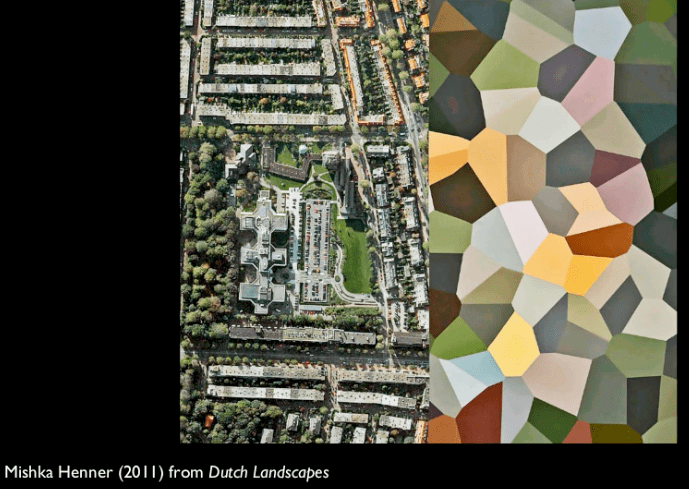
In its broadest sense we can look at the work of Eadweard Muybridge who’s images could only have given us that vision via the camera, his images of horses running for example was a new view on a familiar subject that actually painters had been getting wrong.Google Earth is another area where the familiar is viewed in a new way that only through the lens of a camera we see a version of the vernacular.
These are of course quite extreme examples and in this post I hope to explore the other end of the spectrum and some of the work in between the two.
PHO702 Photography and Photographies Week 1
Learning a new language around photography and photographies as been amazingly interesting to me and as a practitioner of over 30 years in photography to learn so much really excites me.It certainly as helped question my approach within my own practice which is traditional in as much as it is very much camera/lens based.
In discussing what photography is we looked at the Modernist perspective through the work of John Szarkowski and Steven Shore and there respective essays The Photographers Eye and The Nature of Photographs we then took a look a very different look via Carol Squires who curated the exhibition What is a Photograph at the ICA New York in 2014 in which we explore less traditional methods and ways of using photography, some of which was non lens based mixing painting and Sculpture along side more experimental techniques that I will touch upon whilst discussing the opposing ideologies.
When we talk about photography as seen through the eyes of Szarkowski who concentrates more on the photographer,whereas Shore places his emphasis on the photograph, print ant its own life as it enters into the world.
Both discuss very valid arguments that in my opinion are equally important in the process of image making, the intent and the context in which they are viewed.
Interestingly Szarkowski places much importance to the eye of the photographer and the intent by physical means and choices the photographer makes, he divides these up into 5 subject areas . The first being the Thing ie the subject matter the indexical trace of the real thing but not actually the real thing, its a trace ,a representation if the real thing as seen through the eye of the author/photographer,it is only possible to capture a small part of the Thing,a fragment in his words The Detail which in its self is only part of the whole story again controlled by the photographers intent,images that attempt a narrative arguably have more in common with painting and the painters eye as they tend to be a total construct where everything is created to the internet of the photographer and go against the Szarkowski’s theory. He was not convinced by the Tableau of Henry Robinson,but would in my opinion be hard pressed to argue the same case against the modern equivalents such as Gregory Crewsden who’s modern techniques owe as much to film making as painting to build a convincing narrative. Below are examples of Henry Robinson,Crewsden and also the photographer Red Saunders who unlike Crewsden,who shoots much of his work in camera with elaborate sets and lighting,Red uses the modern equivelant of the cut up negatives of the Victorian tableau, he uses 40-50 plates or separate images to build his images all drawn and shot listed to the final detail. I’ve also added one of my own attempts drawing on the all three photographers in my project exploring the emotion around music.
Moving on he talks about the frame and how that selection has to be made by the photographer, how the scene continues on beyond the four edges of the frame and the photographer has to make that choice as to what it is he/she intends us to see, again arguably that is not the case in the constructs around the work of Crewsdens set built images but would be with the images he shoots on location, despite such huge amounts of research the very nature would mean some form of compromise that he would have to decide on in where he put the frame edges.
Time is the next important area discussed, the decision of when to press the button being the precise time the photographer feels all the elements of scene are in balance and the image becomes a picture, much like when Henri Cartier Bresson talks about the desire moment, to me this seems the most obvious element but also one of the hardest to acheive,often requiring the experience of forethought and planning and of course in some cases patience, miss it and its gone.It’s probably the element most out of the control of the photographer.
Szarkowski talks at length about the language of photography, how we interpret time and have learnt to read photographs using such techniques as blurring to allude to motion, it’s interesting and something as viewers we have had to learn from scratch.Other areas and one of Szarkowskis other areas he breaks his theory into is the Vantage point.We as photographers have to place ourselves in the best vantage point in order to find the Thing,maybe move slightly to find the Detail and Frame accordingly, we certainly need to be in the right place to anticipate the correct time to shoot, for example, put simply if we are shooting a alleyway with a the perfect light but want some human element in silhouette we need to be in the right spot to anticipate the time that person walks into that perfect spot.
PHO702 Subjective traces, spaces,faces,places Week 3
All images are of course constructed in some way or another either by the means of technical constraints,circumstances and what the photographer and to a lesser sense what the viewer decides to include either by cropping or adding.
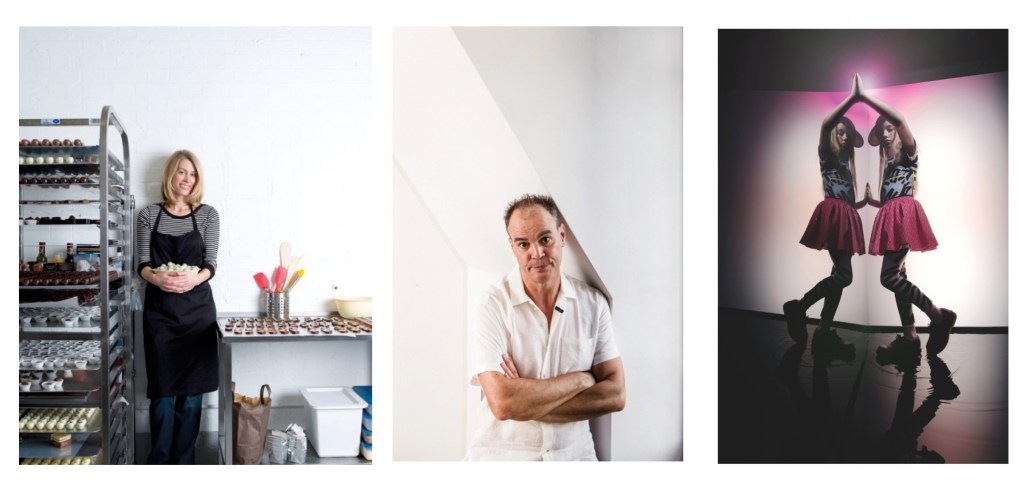
Below are 3 simple examples from my commercial practice Illustrating the use of construct to convey the message from left to right the first one is quite obviously a chocolatier shot for a magazine with no doubt as to what it is she does for a living, in this instance it was quite simply my job to do show this in very basic terms using a construct of her wares and friendly smile.The middle one is of a well known author with whom I wanted to capture ,ore about his personality, I could have put him in front of a book shelf full of books but that could be construed as rather lazy and not a true portrait. I was under time pressure and had only the choice of the bookshelf or this tight alcove and chose this. I knew I could create tension, he is a writer of thrillers and whilst is perfectly pleasant as a sharp reputation, I wanted to get this across in the image and use this simple tool to do it.
On this note I have often heard amongst more technical photographers how the work of David Bailey and Avedon is simple, well I would say yes technically it is but strip away any clues,construct or context such as in image number 1 and it really is not quite as simple to create a strong portrait.
The image on the right is pure construct and make believe from the simple set to the clothes and attitude of the actor/model, all constructed to create the final image of pure make believe in reality it’s a small set within a studio with artificial lighting and a child who in real life is a joy to be around …
Sustainable Prospects/Drive by Shootings
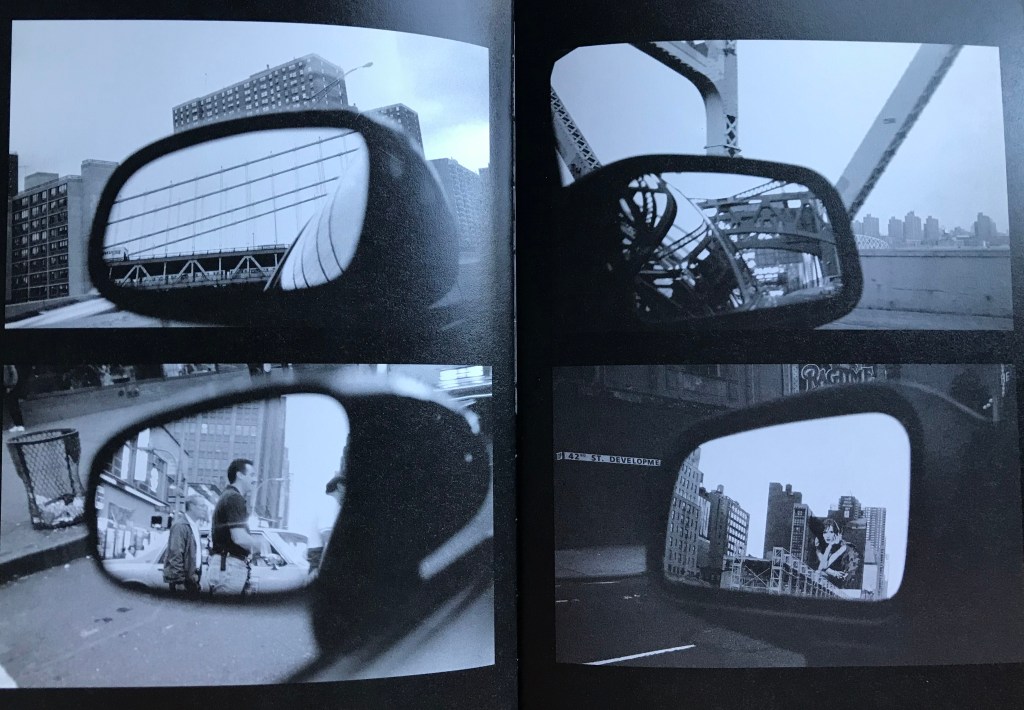
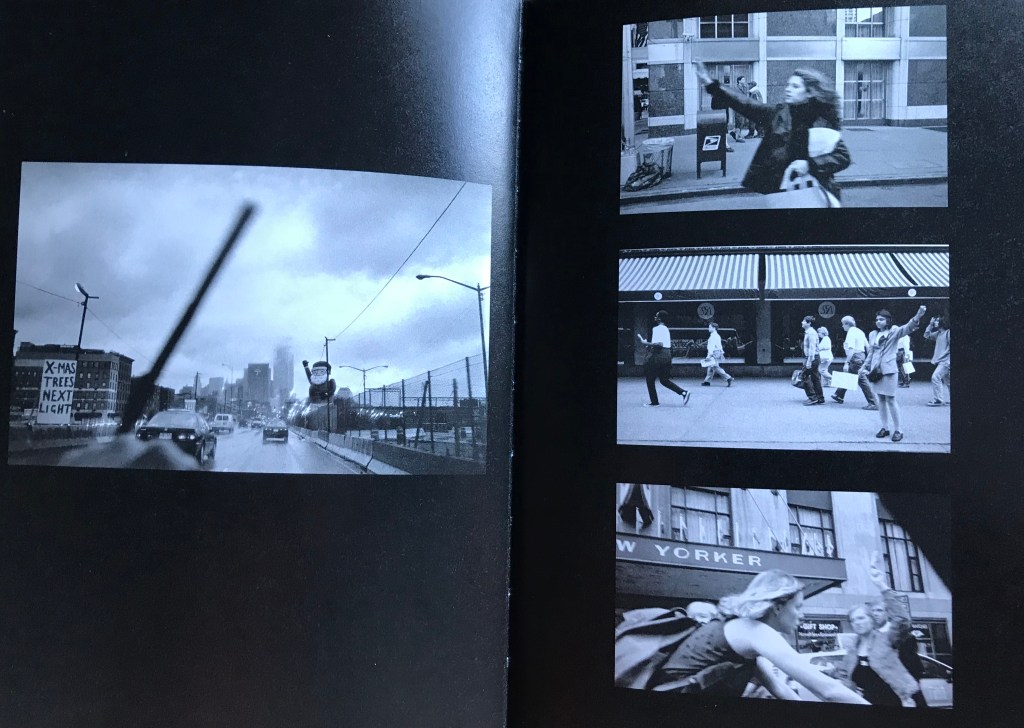
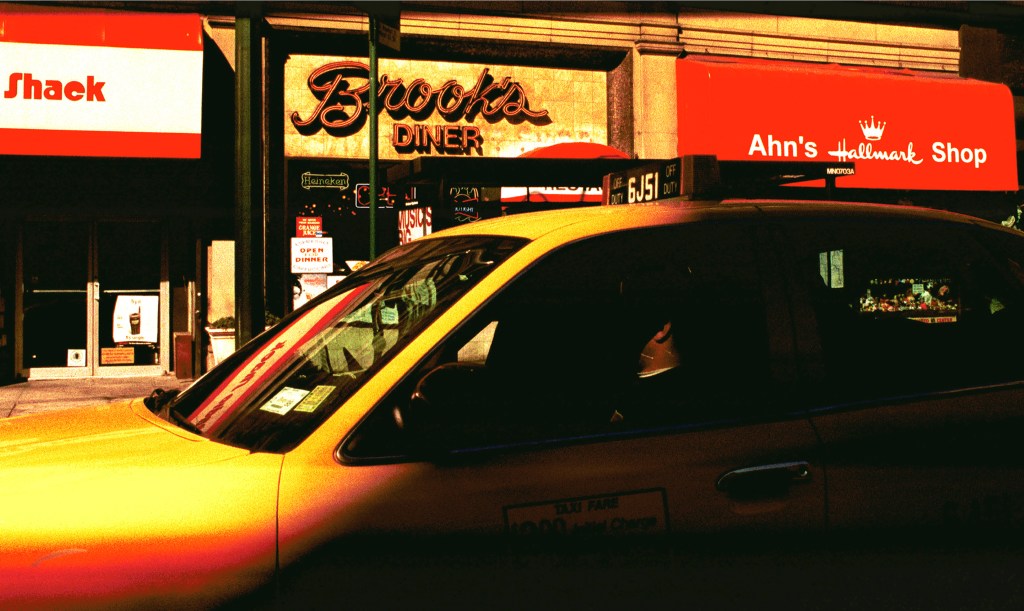
This is brief post about a photographer who’s book I bought many years from a charity shop,read,looked at once or twice then put away.I think you may be hearing more form me about him in the future,briefly David Bradford studied at Rhode Island School of design,graduating in 1978 after which he became an art director in New York but eventually decided it was not for him,he wanted to dedicate more of his working week to himself and his photography.He still had to pay the bills though !
To begin with he became a bicycle messenger to barely make ends meet and eventually decided to become a taxi driver.
Photographer,Taxi driver or both ?
I can highly recommend the book or perhaps check out his work on the website above.Fom the early 1990’s he took a camera with him everywhere he went,shooting over 50’000 images of New York life from the perspective of a Taxi Driver,nearly always from the window of the car. Amazing images that take us through a journey of time when New York was on the change.
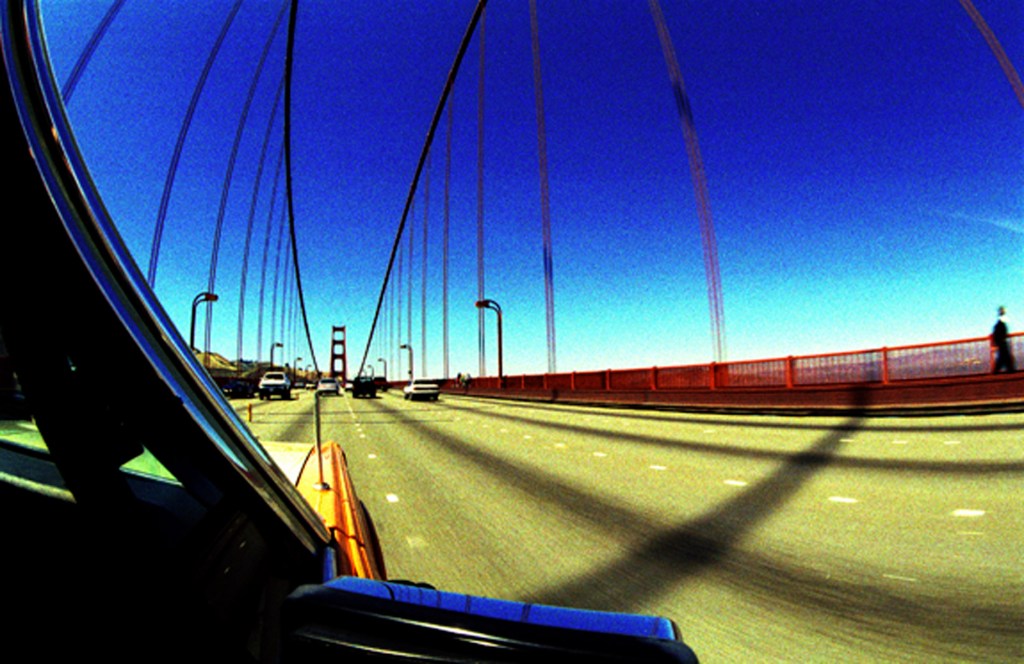
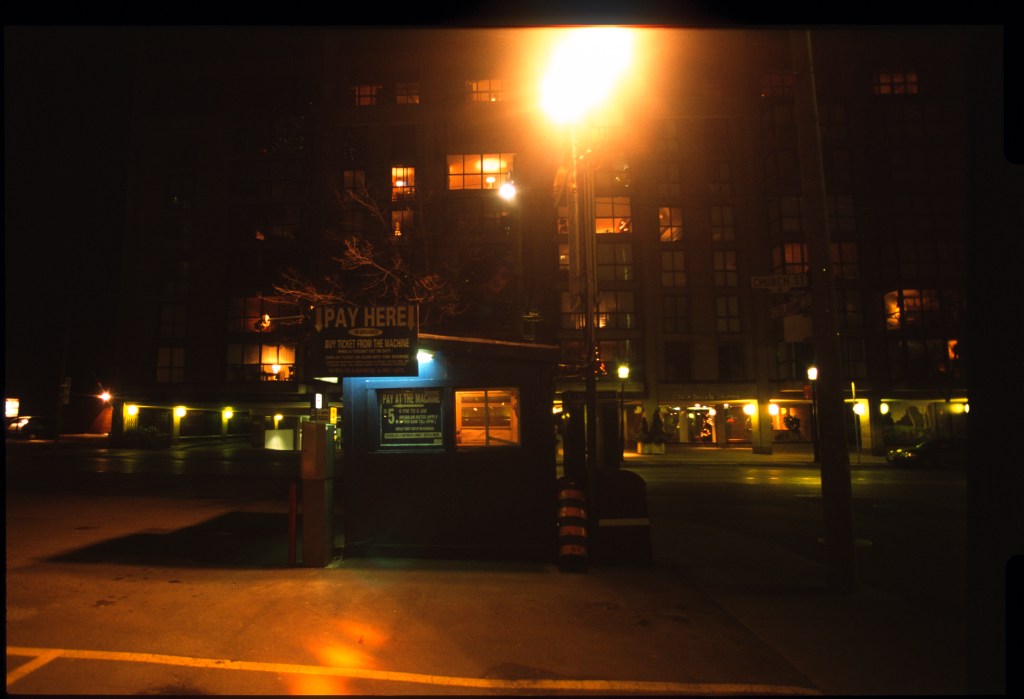
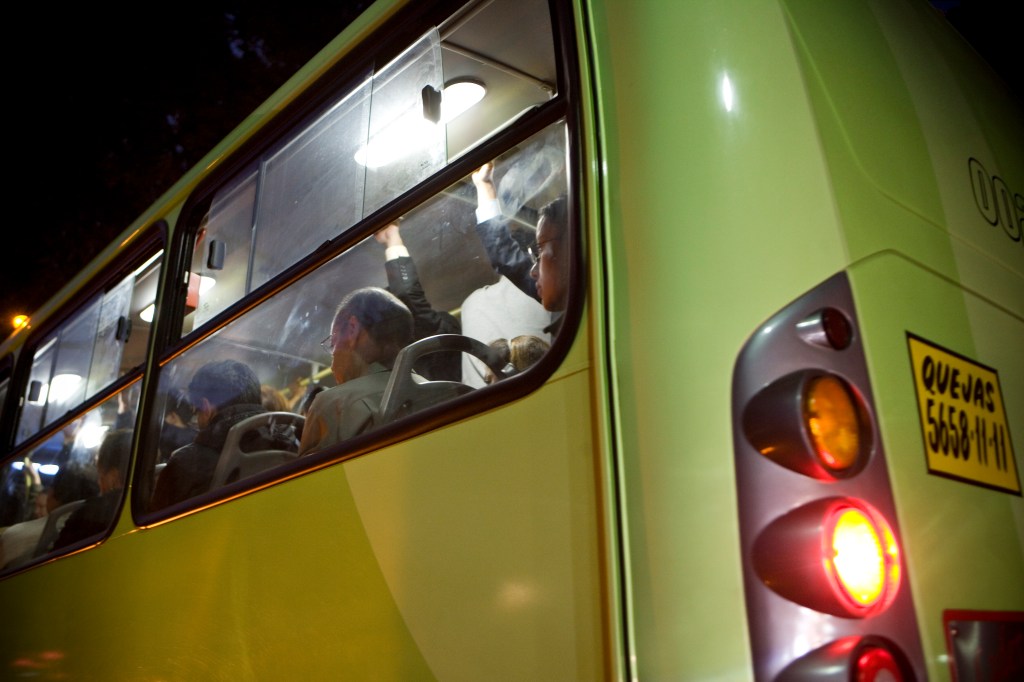
Having spent a lot of time shooting in many many cities,I have often been driven from one location to the other,capturing images on the way,I see a parallel in this work and plan to explore it more.
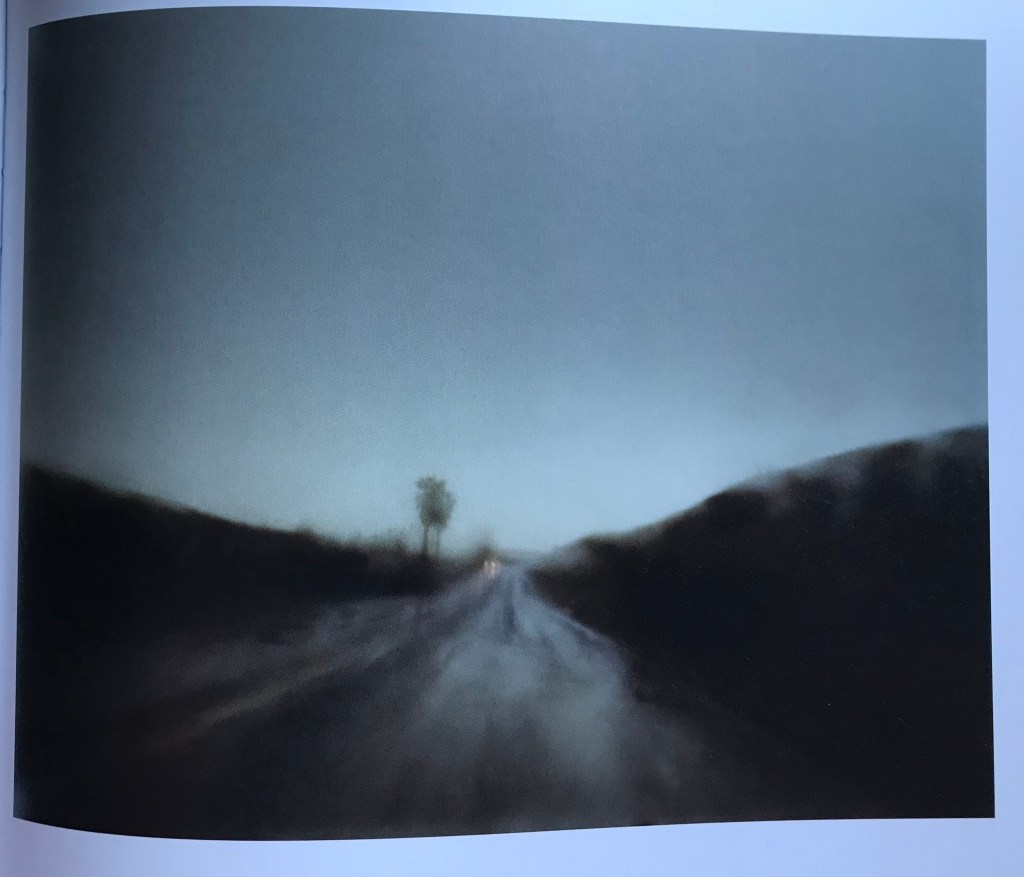
Though my research on the A406 project I can see a commonality with many photographers who have photographed the road and it’s surroundings,from the early pioneers such as Walker Evans through Todd Hido (who shoots through the steamed/iced up windows of his car by carlight)have all used this method of shooting either alongside or as a core element of telling similar stories around the road and the automobile.
Todd Hino #9308 2010
 DEAN BELCHER CRITICAL RESEARCH JOURNAL