PHO705 Class and community in the UK

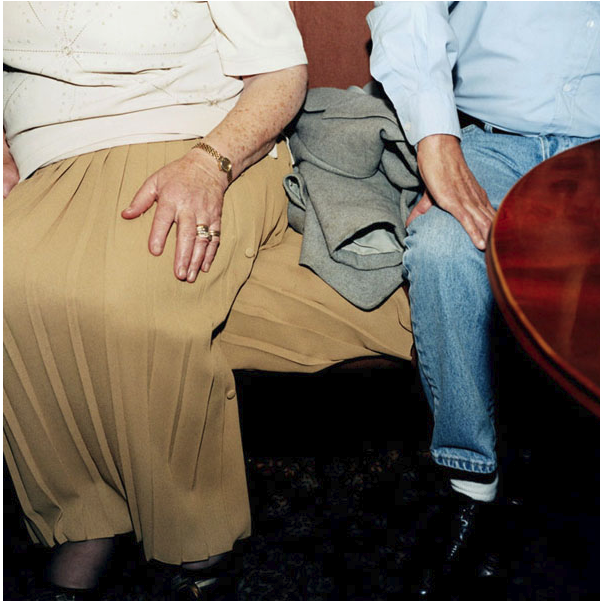
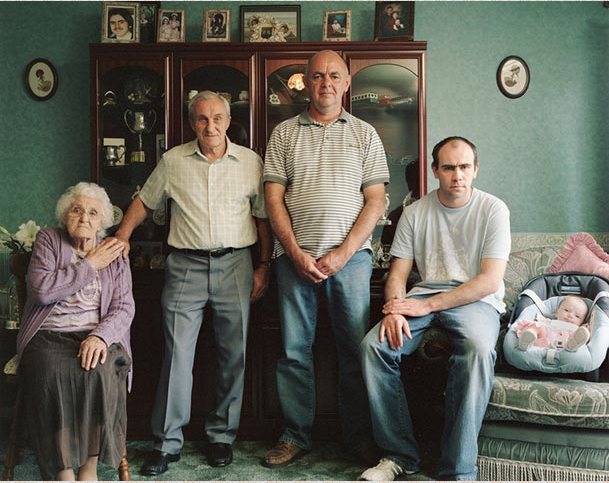
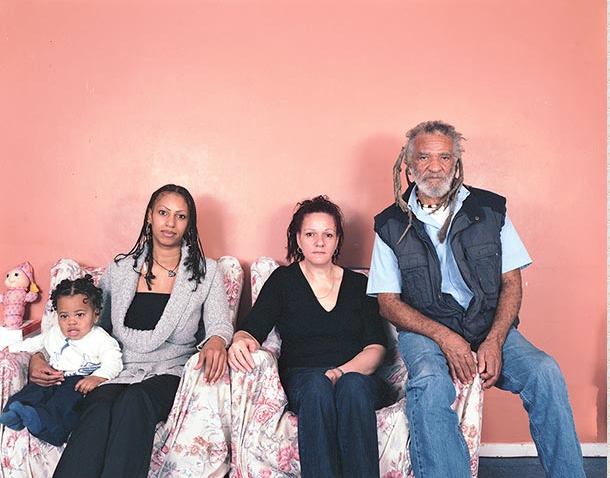
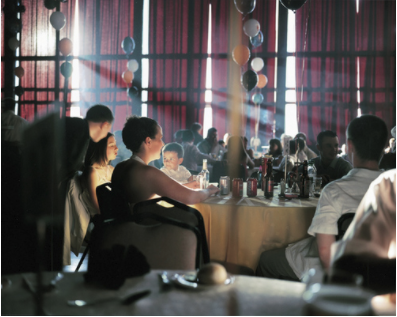
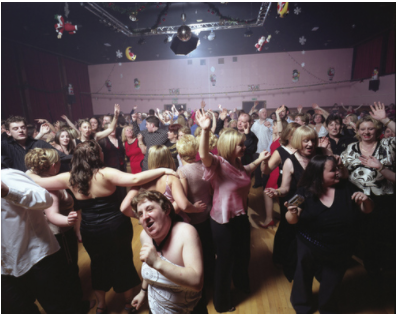
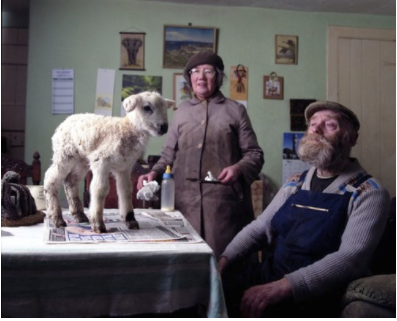
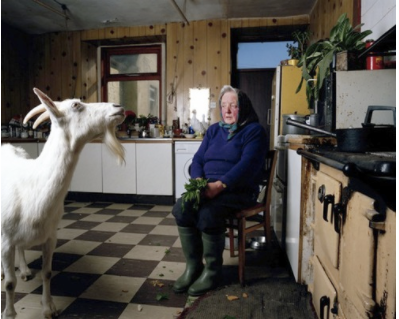
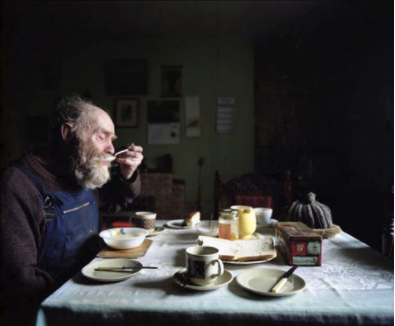
Are we in the UK still obsessed with the archaic notion of class.Well yes and in the execution of this project I realise I probably have a more unhealthy obsession with it than I should but there is no getting away with it class or at least some sort of heirachy exsists and communities are often built around them.Quite often these communities are more polarised than they once were although I’m not suggesting by any means it wasn’t ever that way before.I would say however that there have been times when communities built around class were less polarised if only briefly.

For instance after WW2 in the UK with the setting up of the welfare state people from many backgrounds and in particular poorer,working class people were finally getting some of the things promised to them after the sacrifices and slaughter of WW1 which were only partially delivered. Apart from the NHS,better working conditions and support if they were out of work,due partly to the destruction of many houses a building boom assured for the first time for many a move to decent clean hygenic accomaodation,by the 1950s many of the houses unfit for purpose were replaced in the slum clearances by vast social or as they were called then council estates.There was many who did not want to go but the vast majority of people were over the moon with the running water and inside toilets,large swathes of people moved from places like the East End of London to huge new estates in Dagenham and the such like.These communities to begin with were designed by town planners with a worthy utopian dream in mind and to a large extent until the early 80s when they were sold off and left in disrepair to become a dystopian nightmare did just that. They were designed not to house problem families or the desperate,in fact there were very strict rules to make sure the houses were kept in good condition and nuisance neighbours were not tolorated.They were in demand.

The estates were designed to create a space where people from many backgrounds,proffesions and class lived and worked together. It was not unusual for a teacher of the local school or doctor of the GP practice to live on the same estate as the local shop owner, the milkman or policeman,it was a brief period from the mid 1960s through to the late 1970s.It did not last long but whilst it did it proved that communities do not have to be quite so disparate or consist of one demographic as a whole.

Belonging to a community or class can be a fabulous thing,throughout history it has shown to be vital in creating sustainable ways of living and social mobility.Groups of people working towards the same goals collectively can most often achieve thoese aims more succesfully than the individual,we as a species are a social beast,we rely on that to survive and thrive.We rely on it for our well being.

The problem with that is that it creates a hierachy,again this can when used correctly be a benifit,it is when that power is used not for the benefit of the whole group that problems occour,is ther emuch we can do about that,probably not but the extent of the issues it causes maybe can be addressed.

In the UK as with many other countries,the heirarchy is based upon power and the perpetuation and retaining of that power often built upon centuries of tradition and indoctrination,it becomes the norm.This is no different in smaller community groups where we accept these norms.

Rarely before have we seen the blurring of those lines around class and caste and although social mobility is on the wain class,accent and even to some extent race has allowed this to happen.Or has it really.

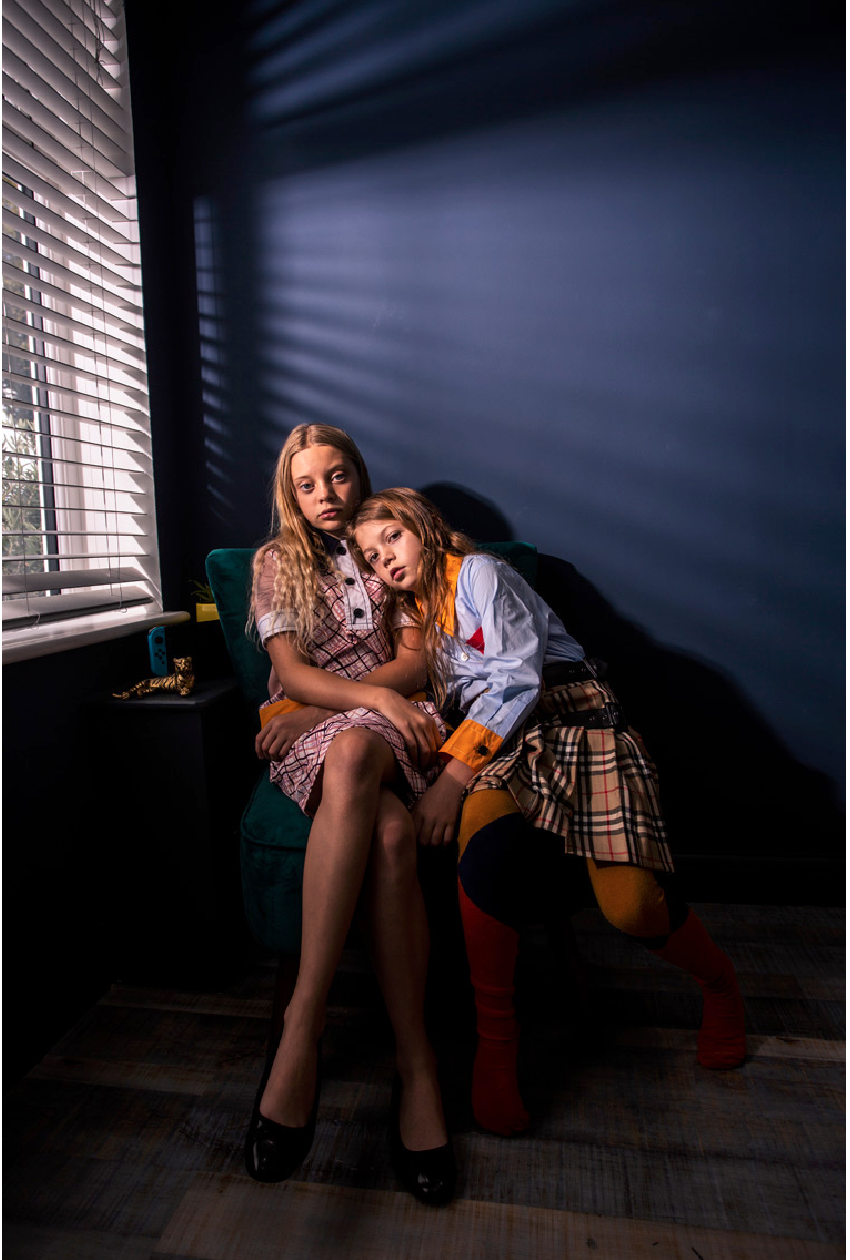
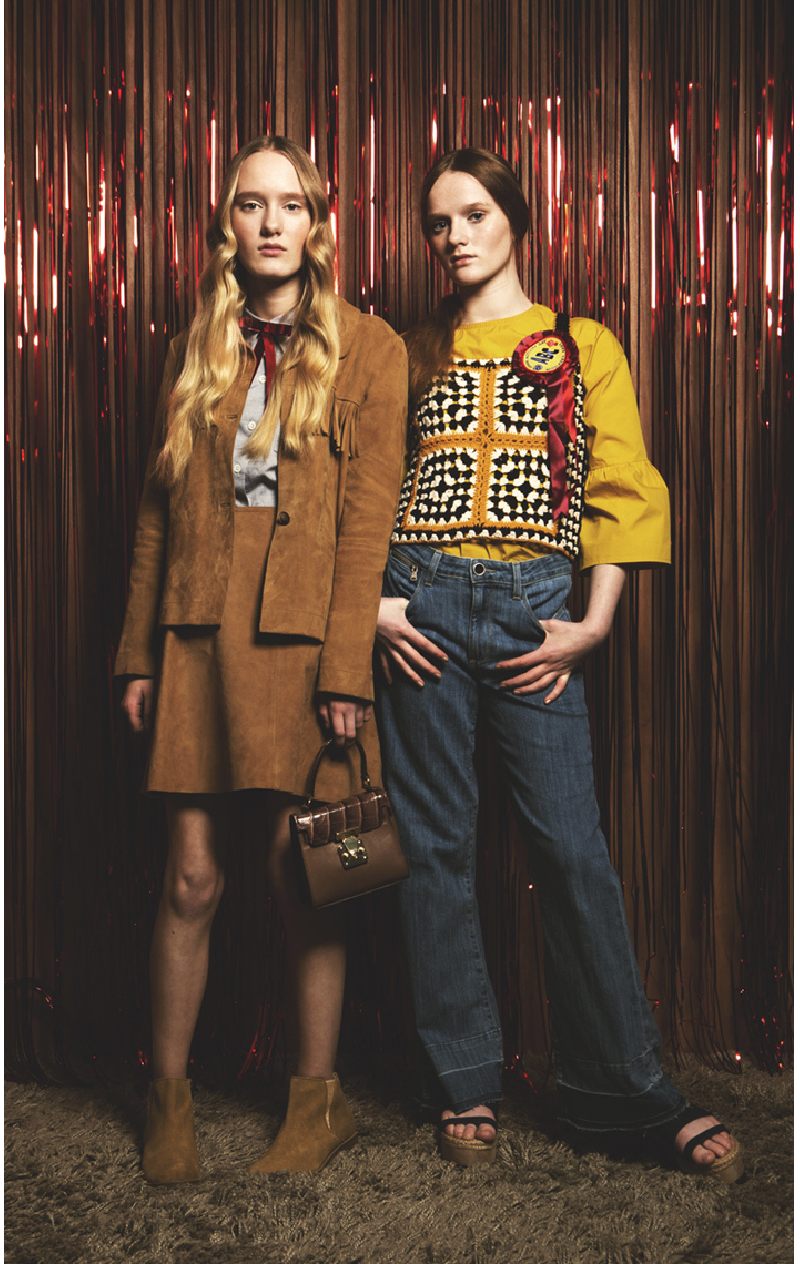
In the UK the most MPS are privately educated and middle -upper class,the present cabinet is the most elite in years.Most heads of big business,its the same even in what most might think of as the liberal arts such as the music industry,acting,media,tv even photography,these areas are disprortionatly represented by peopel from middle,upper and elite classes.

So what you may say,the politics of envy maybe.Well maybe but these are the people who shape the way we think and if the work being produced only reflects their life view how will the people they inform know what it is really like to not have those advantages,it’s dangerous for all society.

It perpetuates that myth that being poor is somehow “their” fault and not that of societies as a whole.It perpetuates the myth that all working class are lazy and stupid,of no use ,it creates an alienation that affects all society,a polarisation that is unhealthy and unsustainable.

It has not always been that way. In fact it was not that long ago that it may well have been celebrated.

I found this article from Vice magazine insightful and relatable. Also quite worryingly still a relevant topic of discussion.

I Never Worried About Being Working Class Until I Went to Art School

Growing up in Telford, social class was never a big deal. That all changed when I moved away for university.

BETH ASHLEY: “AT 18, I WASN’T CONSCIOUS OF MY SOCIAL CLASS.” 

“How are you getting eight grand a year while I’m getting nothing?” a flatmate asked me as our student loans rolled in, a day I’d impatiently anticipated while assigning which emergency can of soup I was going to crack open on which days. 

I asked him why he didn’t get anything, wondering if he’d done his application wrong.

He said “for whatever reason” students with rich parents didn’t get maintenance loans. This made him, in his words, “fucked”.  

“Yeah, you seem really fucked with your brand new car and weekly Ocado deliveries pre-ordered by your mum,” I thought.  Politics

I Watched the Neighbourhood I Grew Up in Get Gentrified

MALAKAÏ SARGEANT12.7.19

Until then, at 18, I wasn’t conscious of my social class. This may sound ridiculous, especially as my single, teenage mother – who juggled college with two minimum wage jobs – shared a single bed with me in my nan’s house until she could afford to rent a council flat. 

I grew up in Telford, a mining town just west of the Black Country and bordering Wales. It’s diverse but sadly not integrated – one of those towns that’s bewilderingly Tory blue, where the poor have been gaslit into voting for parties that oppose their interests.

Most men work locally, while women marry young, have children and work part-time happily too. My life was mirrored by my friends and classmates. Our parents worked in shops and factories, and until my mum eventually graduated from university and became a support worker, I knew of few other occupations. I was aware of them, but they were the jobs you daydreamed about – not the jobs you actually applied for to pay the bills and keep your family afloat. 

Still, I dreamt big. I’ve wanted to be a writer since I discovered Roald Dahl and started folding stolen printer paper into “books” to document my “novels” in barely-legible crayon. I even forced my mum and my primary school teachers to write endorsements on the back: “You could write that it’s tea-spittingly funny,” I’d direct, copying a Stephen Fry quote from the local WH Smiths shopfront. Though my community upheld the unbreakable school-work-house-marriage-children formula, my family were encouraging – but I needed a “real job” to sustain my “hobby”, so I applied for a combined creative writing and journalism degree. 

BETH ASHLEY: “UNAWARE OF HOW OTHER PEOPLE LIVED, I NEVER FELT LIKE I MISSED OUT ON ANYTHING.”

I was quintessentially working class, but naivety had granted me blissful oblivion. Unaware of how other people lived, I never felt like I missed out on anything.

Going to art school in Surrey was the first place I mixed with people from other class backgrounds. That conversation with my flatmate wasn’t the only one causing division. Throughout freshers week, as we crawled pubs and played Never Have I Ever – the only ice breaker anyone actually likes – nonchalant comments about money, skiing trips, and even a family butler, left me feeling isolated. 

I’m not alone in this feeling. Ben Rogaly, a professor of human geography at the Sussex Centre for Migration Research, notes that spending time in typically middle-class spaces can be traumatic for some working-class people. “Teaching in a university, I sometimes see working-class students enter this middle-class environment and feel alienated, even experiencing mental health problems. They can accumulate a sense of exclusion, of otherness.”  

Though my flatmates were all genuine friends of mine, anger deriving from distinct class division became a theme of my student life. The rich had a very different transition into the art world to the few working-class students. Their families never questioned their career plan, and they arrived without the budget tracking sheets and tinned food our mums had tearily pressed into our arms. Some had never worried about money, and probably never would, which I found irritating and at times unbearable. Life

How Losing Your Regional Accent Affects Your Identity

GINA TONIC

The isolation was only exacerbated in my first media job. I found it through a diversity programme but was still surrounded by upper-middle-class people. Soon, co-workers started unrelatable conversations about their electric cars, holiday homes and nepotism-fueled career trajectories.

Colleagues found anecdotes about my life funny when they weren’t meant to be, savouring the dramatic elements like it was a soap opera. Eventually, I started dressing like them, diluted my accentto flow with theirs, and avoided discussing anything that was a class signifier – like my family home, my mum’s relative youth and the schools I attended. I was performing upper-class at work as a protective shield, then switching back to default at home, which was a £250pcm bedroom with someone else’s vomit on the walls.

Rogaly observes in his book that many people have mixed emotions about their identities. “The same person could feel pride and shame at their class background in one conversation, yet identify with it in another.” 

It’s hard to pinpoint when I stopped acting like my colleagues and actually became one of them. After a few years of hard work and promotions, I found myself living in one of the most affluent areas of Hampshire with a salary I never imagined I’d have. I only noticed the transition when a friend pointed out I was earning more than most of my family members – a realisation that brought a confusing mix of relief, guilt, and fear that I was a “class traitor”. 

For a long time I lived in a constant state of imposter syndrome. My colleagues never really bonded with me. But back home, the way I was seen, talked to (or about) had shifted. My family don’t always understand my career but they’re proud. Friends who remained in our hometown think I’ve abandoned our roots. 

Flippant jokes from friends about me having a New Yorker subscription and spending all my time in pretentious coffee shops (to be fair, I deserve this) had me wondering if I had abandoned my class, but I didn’t feel like I had. 

I’ve whined to my mum – who studied class mobility while trying to achieve it – about this confusion. She’s adamant a person can’t change their class once they’ve reached adulthood, because our identities, values and behaviours have already formed. “Even if you won the lottery, you’d still be a poor kid at heart.” I’m not sure if I agree, but at least she doesn’t think I’ve abandoned her. Money

We Need to Stop Assuming All Millennials Are Middle Class

HANNAH EWENS

There’s limited research on whether someone can entirely move from one class to another. I know because I’ve looked, extensively and nervously, as I frequently feel obliged to pick a side. It seems classist to dismiss my obtained wealth, but equally so to disregard my upbringing. Though I don’t have the insulation my new peers have long-held, I’m unsure of my place now that I’m financially comfortable and living in a middle-class bubble. There is one Oxford University study that defines social mobility as “someone landing an occupation of higher status than their father.” I never had the latter, so to quote Kanye: I guess we’ll never know.

I still feel like I’m in turmoil, but I’ve found comfort in that. As Rogaly says, discomfort can help “to challenge class inequality and speak about class in terms of the social relationships entailed – rather than trying to define what it means to be in a particular class”. It’s a privilege to have acquired my dream job and a comfortable home, but be grounded by the working-class values I was raised on. I didn’t believe I belonged because I hadn’t seen anyone else like me in the spaces I wanted to occupy, but I know now that the imposter syndrome I felt had little to do with me – it was a reverberation of deep-seated inequality.
PHO705 Belong

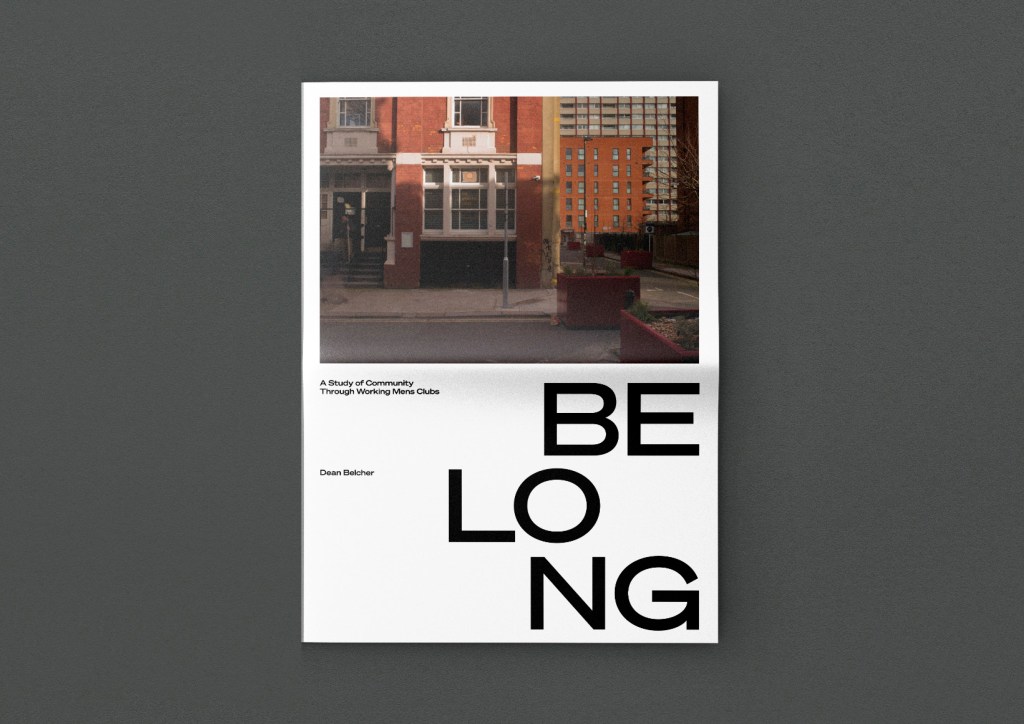
I have decided the title of my project is Belong,possibly with a subtitle of a study of community through Working mens clubs

At some point most of us will seek a sense of belonging.Some more than others .Some like myself have never felt that strong urge or at least that is what I thought. maybe I just took it for granted that I already did and this is what it feels like. For many the feeling of belonging is essential the familiar ties of family probably being the strongest.Maybe its something else, a sense of comfort or camaraderie in following a football team with thousands of others,a certain band or organisation whatever it is as humans we thrive in social groups where there is a sense of collective togetherness maybe its a primeval instinct of survival, a pack mentality maybe its just nicer than being alone ! What happens when individuals cross over groups does that sense of belonging follow.

As part of this project I explore this through personal experience and the relationships I have formed,left behind,neglected,regret and love.I know I am not alone and it is a familiar tale,in fact very common amongst my age group.It has always been the case that many young people shun or reject the past,not always of course but often.Some in search of their own path with a strong urge others to escape what they see as a boring or perhaps lifestyle they do not approve of by following in their parents footsteps,some have it thrust upon them,maybe by being sent off to war or some family disaster or maybe as mentioned in previous posts it was a necessity bore out of lack of local work whatever the case may be when it happens we find ourselves in unfamiliar territory often often forming new lives outside of what is familiar to those of of our past.

Whilst this is not the actual day or time precisely things changes for me I have chosen within the context of my project to use an event to mark the time this changed for me.

My dad and I have had a fractius relationship over the years but it wasnt always that way and isnt now. I realise with age that I have to share some of the blame keen as I was to plough my own furrough.He didn’t have it easy as a child or young man and did a great job with the limited hand he was dealt I also believe he too had to navigate a different world he was destined for if the death of his mother had not happened at such an early age.His background was a lower middle class one,his mother was ambitious for him,he was an a only child,went to grammer school.When she died a set of circumstances and decisons found him loose much of that standing and as such was firmly back in the working class where his father had come from.

For many years we had a very close but emotionally distance relationship which is the way of both my parents. He was the one who took us kids on days out,I have no recollection but they happened. I worked closley with him from a young age helping on his milkround before school and weekends,we didnt talk much but thats ok. We both love music and clothes,he loved The Everly Brothers,I loved punk rock,of course there was conflict,I was teen! He wasnt that much older himself he was married at 17 he had no teenage years.He had a family and a wife stricken by acute mental health issues all her life.I did not see this,we fought and argued,I had to get out as soon as I could.I did felt like I did not belonged .With age those feelings have of course changed,I realise that it was not true,it was just normal teenage behaviour to want to do your own thing.However many times in later life the question has arisen,where do I belong ?.It’s can no longer be in my past and sometimes it’s not the present.Interestingly this is not a question I believe my children will have to answer.They live in the world they were brought up in unlike my father and myself,maybe the circle has broken,is this a good thing.Change can be good.

Apparently social mobility has all but stopped, my childrens generation are the first for generations that will be worse off financially than their parents. (ONS)

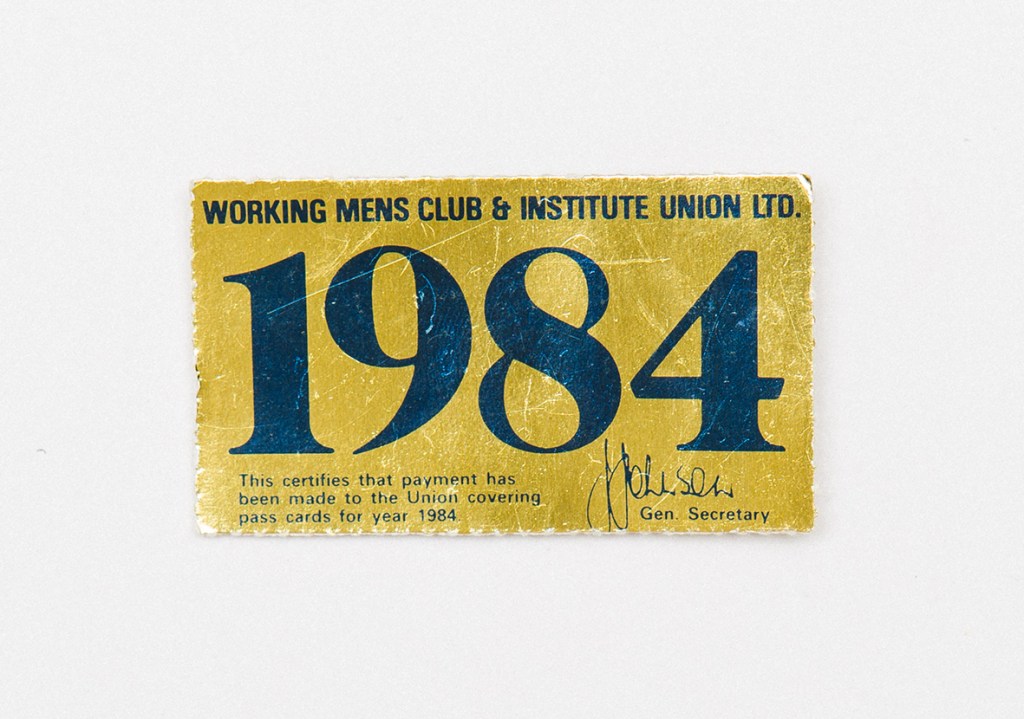
On my 18th birthday as is tradition when coming of age,its not uncommon in working class families to be given a beer tankard as was the case with me.My dad also got me membership to the working mens club he belonged to. He must have had to put my name down some time before as at the time they were very popular and membership was very sought after membership was limited to a certain number dependent on the size of the club,the waiting lists were long,it was often the case that someone had to resign their membership or die before space was made and even then it was reviewed only once a year.

I rejected the membership out of hand and never once used it or the tankard.

To me they represented everything I wanted to escape,it did not go down well. Whilst my dad has never said so I believe this has always been a disappointment to him. As time went on during this period and until my late twenties we became more and more estranged,this event was a catylyst for change.

PHO 705 Process and Outcome

After much too ing and fro ing I have decided to create an exhibition in a box.Thoughts have changed and had to be adapted many times during the course of my FMP,in fact during the whole MA. I think this ability to do so is a good and positive thing. With a end goal I like the idea that projects take on an organic form and are not rigid in their formation.

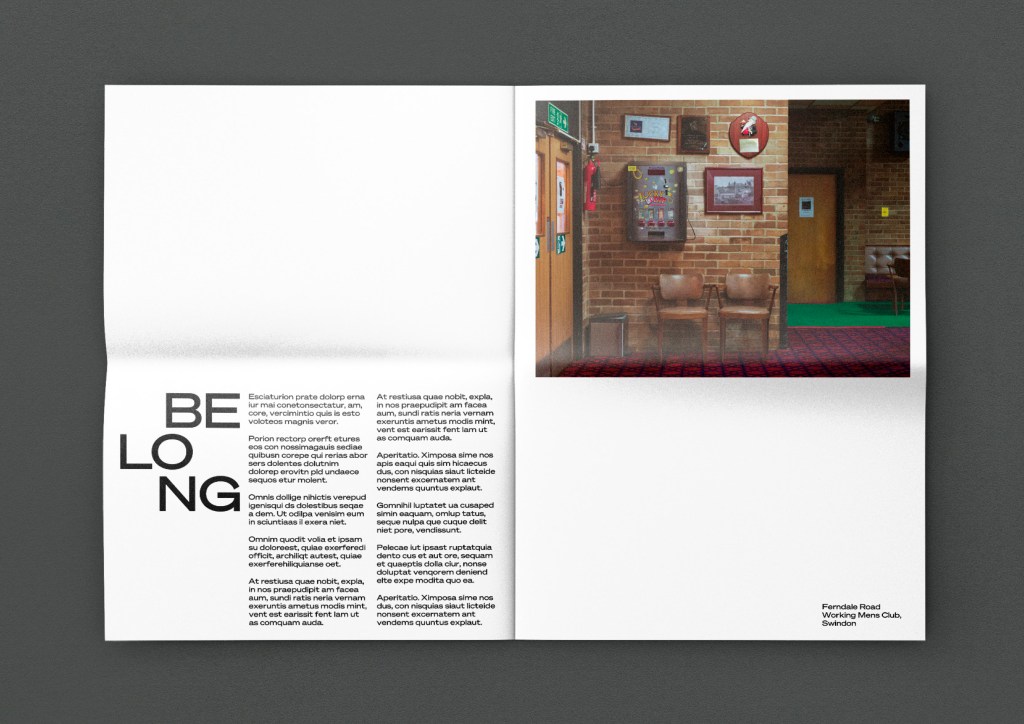
A real world exhibition was my plan,with a tradional publication such as a book or zine,the space is not a traditional gallery space but one within the club I have been working with mostly,in fact as part of the action I used to engage with the club I have been converting a disused room within to a gallery/workshop space which we hope future artists will use and so that we can become part of the local arts trail event.

Circumstances have forced a new way of thinking which in my mind is actually preferable and more in keeping than the original idea.

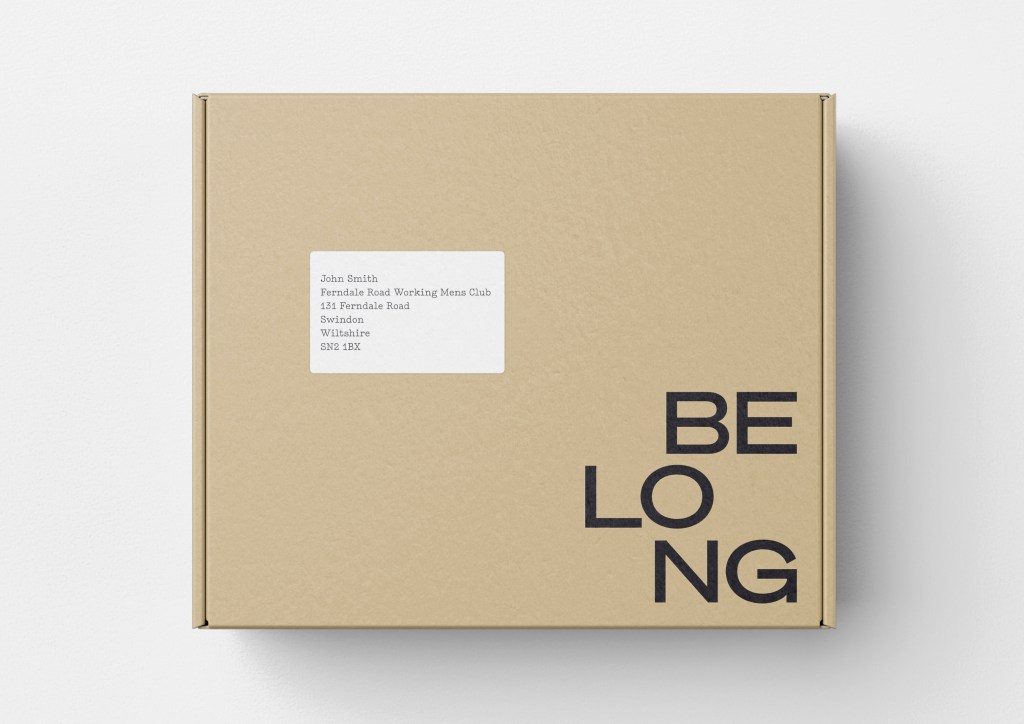
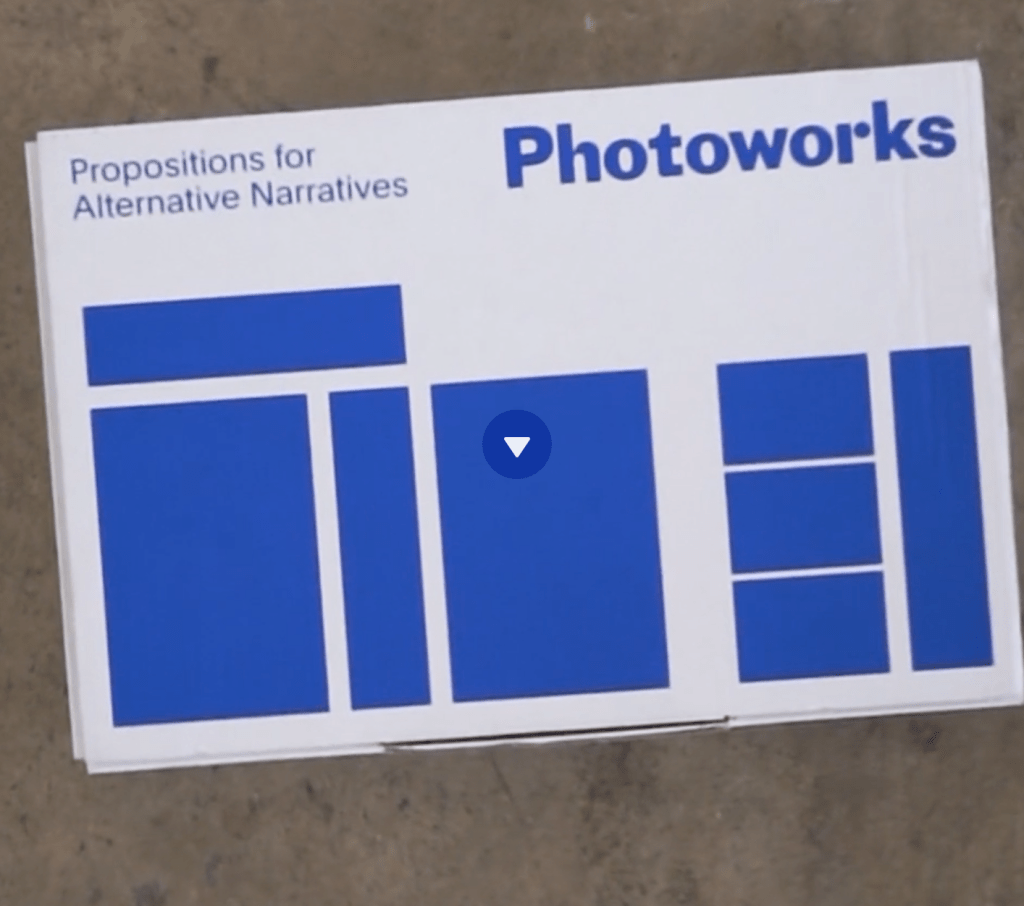
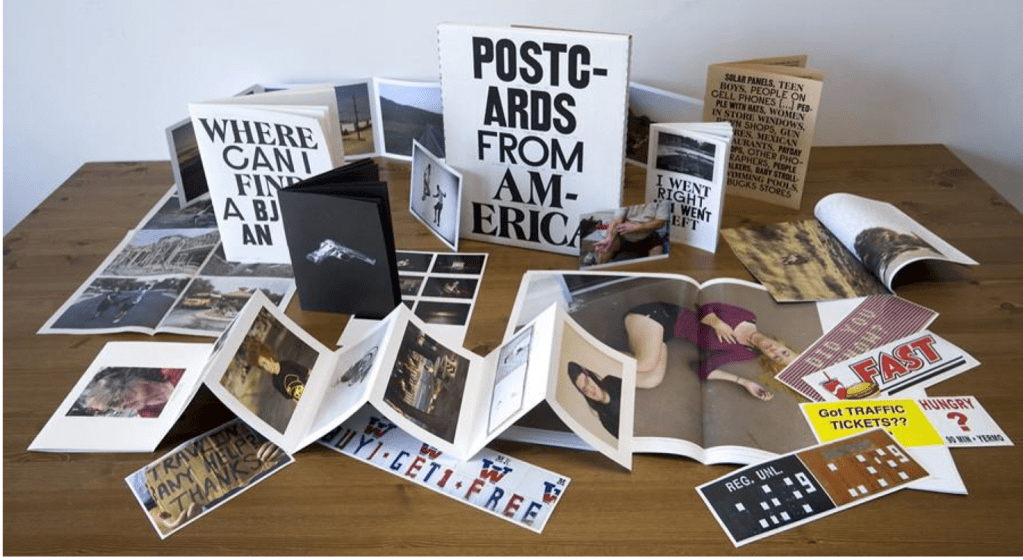
I am collaborating with Wayne Ford,who is a creative director,graphic designer and writer on photography.He has kindly agreed to help realise an idea to create an exhibition in a box,first brought to my attention via Photoworks who in similar circumstances created a festival in a box.

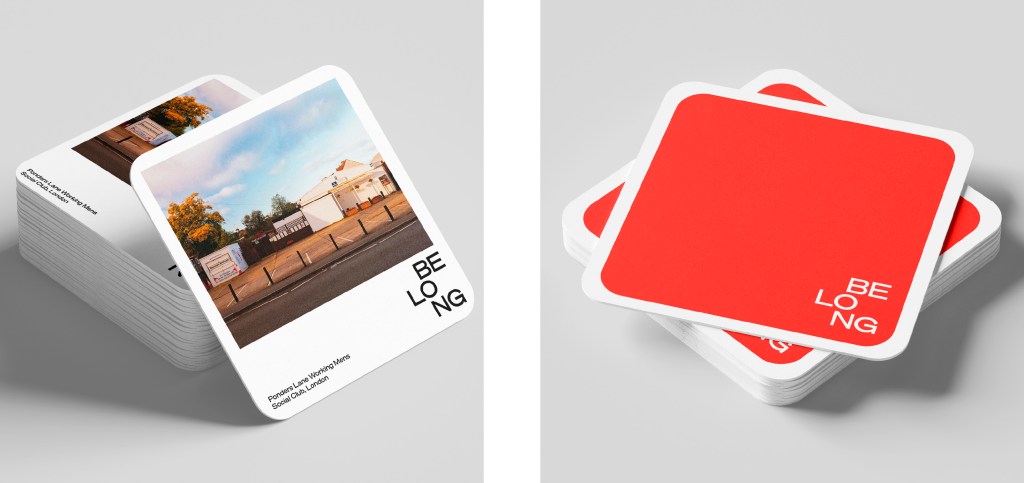
Similar to their one I will be producing a branded box with instructions that will be sent to various Working mens clubs including the one I have been working with. Within it will be a newspaper that opens up into prints,a dozen or so more precious/traditional Giclee prints some beer mats that double up as title tags,some pins/string or blu tac.

My intention is to send them out and ask for feed back.I’d like the recipients to show the work any way they like. Either by taking the time to put the work on the walls of the venues in anyway they see fit or to pass the work around,maybe leave it on the bar for everyone to take a look.I’m hoping the beer mats will become suitably stained with beer rings.

I intend to produce enough sets to also send to potential interested parties such as publications,competitions as well as Art buyers and picture editors I know within my commercial practice. In doing so I hope that some will be happy to put the work on the walls of their agencies as is often the case as temporary exhibitions.

PHO705 FMP Brief look at politics and community.
I touched briefly in an earlier post about community pre Thatcher,you’ll remember her speech interview in Women’s own 1987 she said there was no such thing as society and whilst this single sentence may have been taken out of context over the years the sentiment was that we as individuals should look after ourselves first.A sentiment that I believe was taken more literally than even she thought possible.However in recent years despite subsequent physical and philosophical breakdowns of community through the loss of industry and new ideologies spawned from the Thatcher years community in one form or another survive.Yes there is a more transient workforce,I myself moved from my family,friends and community to chase my career at the time only really available in the big cites.Not because Norman Tebbit told me to “get on my bike and find work” ,mine was conscious choice,not one made out of necessity like many thousands of others. However just like them this mass movement of people was a huge contributary factor in breaking down communities.Many would say on purpose for political gain,for if there is less community spirit or feeling of togetherness there is only division,a divided nation is good for politics,easier to manipulate with less mass opposition to unpopular agenda. I digress…

In recent years and particulary in times of crisis pockets of community often put aside their differences for the greater good. We have seen this in what is probably the most divided period of history in the UK,despite the polarity in rich and poor,right and left during the covid crisis of 2020/21 there has been much cooperation.

We see it with foodbanks and charity fundraisers it gives us a sense of belonging,something that it seems no matter what the polititions say we all need and crave.

Collaboration is something I’ve seen become more important in my chosen industry much the same as I am sure it has in many others,if only to give the impression in some cases.Society does exsist and it seems it sells. Where in the go getting end of the 20th century beginning of the 21st it was fine to be a go getter,at all cost winner,an individual who would let nothing stand in the way of success now it seems perhaps that isn’t such a good way to live after all.For society we do not all benefit from these go getters,trickle down politics/economies are a lie and co-operation,collaboration works well,give a person as say in how their lives are run,give them a slice of the pie,be it monetary or recognition and we work better as a whole.Strangely I write this in the most divisive time in human history where the richest are wealthier than at any time ever and that wealth is in the smallest amount of hands,many countries all over the world are becoming more insular and inward looking yet within them community is on the rise,is this a reaction ? I think it is. Is it a good thing,well maybe but then again maybe not,what if those smaller communities begin to become insular and inward looking. I keep digressing..

PHO705 Methodology

Having spent the past few months researching,getting to know the people and places of of my project I finally have some direction and a plan.All be it a fluid one due to restrictions in shooting due to Covid 19.

I’ve spent a lot of time getting to know the people of two working mens clubs,I’ve shot a fair amount of candid imagery, portraits and details,some of which may make the final edit some of which will remain reference material.My intention is to periodically collate the images and do prelimanary edits but it will not be until I either run out of time ! or preferably decide that I have what I need to tell the story,a story of belonging,community and my relationship with my Dad and working mens clubs.

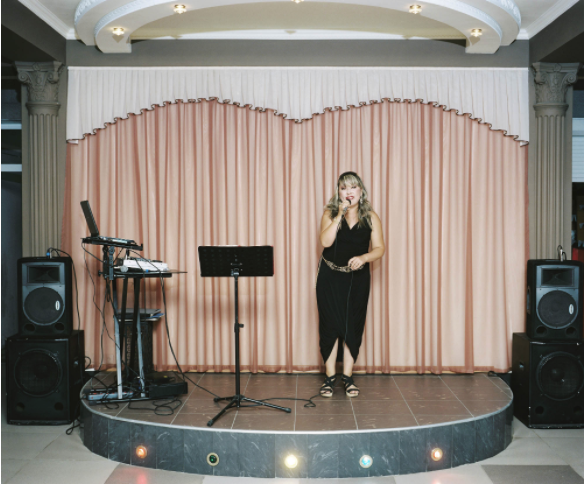
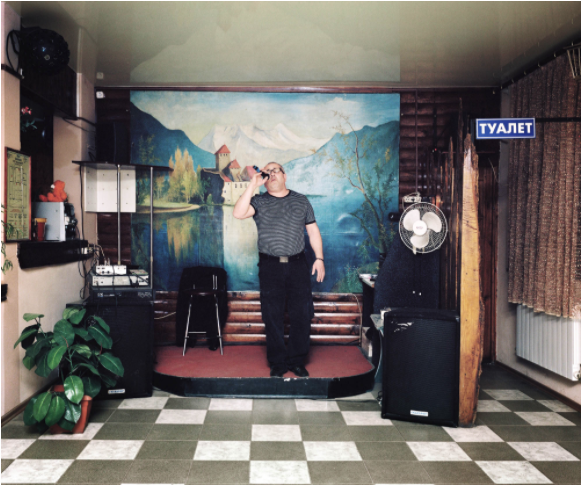
In my research i’ve looked at the work of many photographers who’s work relates to my subject in some way or is of a similar aesthetic to that which I plan to use for example I’ve looked at the work of Mark Neville,with whom I also was able to have a conversation via email,Chris Coekin,who seems to have taken a similar path in terms of background and where he is now,he also questions his position within both worlds and explores it through his photography,Julien Germain looks at the family unit and that sense of belonging,where as with Rob Hornstra I’m looking at the aesthetics, in particular the series exploring the traditions and community illustrated by the Sochi Singers and of course there has to be Daniel Meadows,an influence on me for many years,In particular in reference to the social inclusion and interaction of his projects such as the Free Omnibus portrait project.

I will talk further about these people and their work outside of the methodology in my next post.

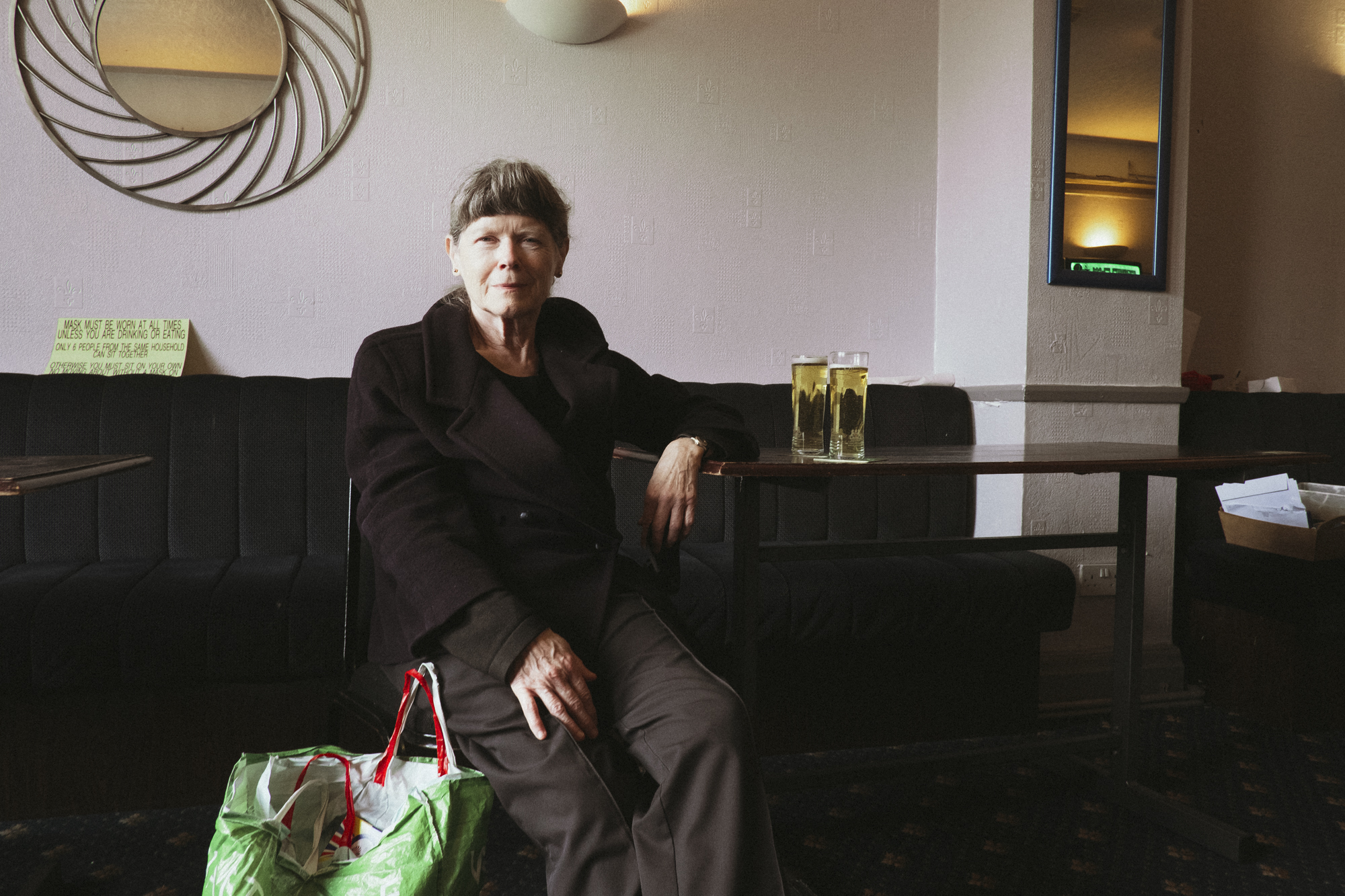
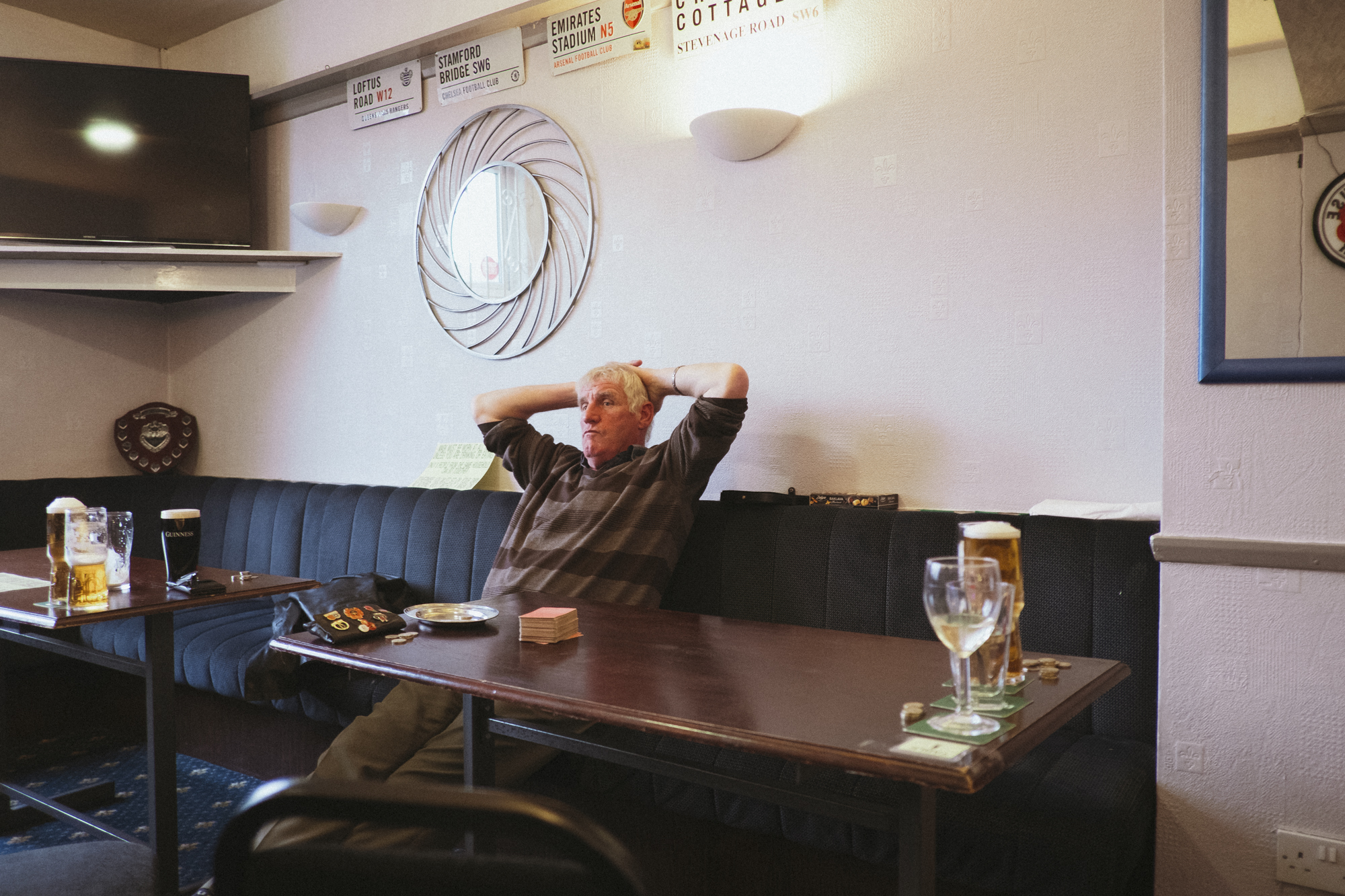
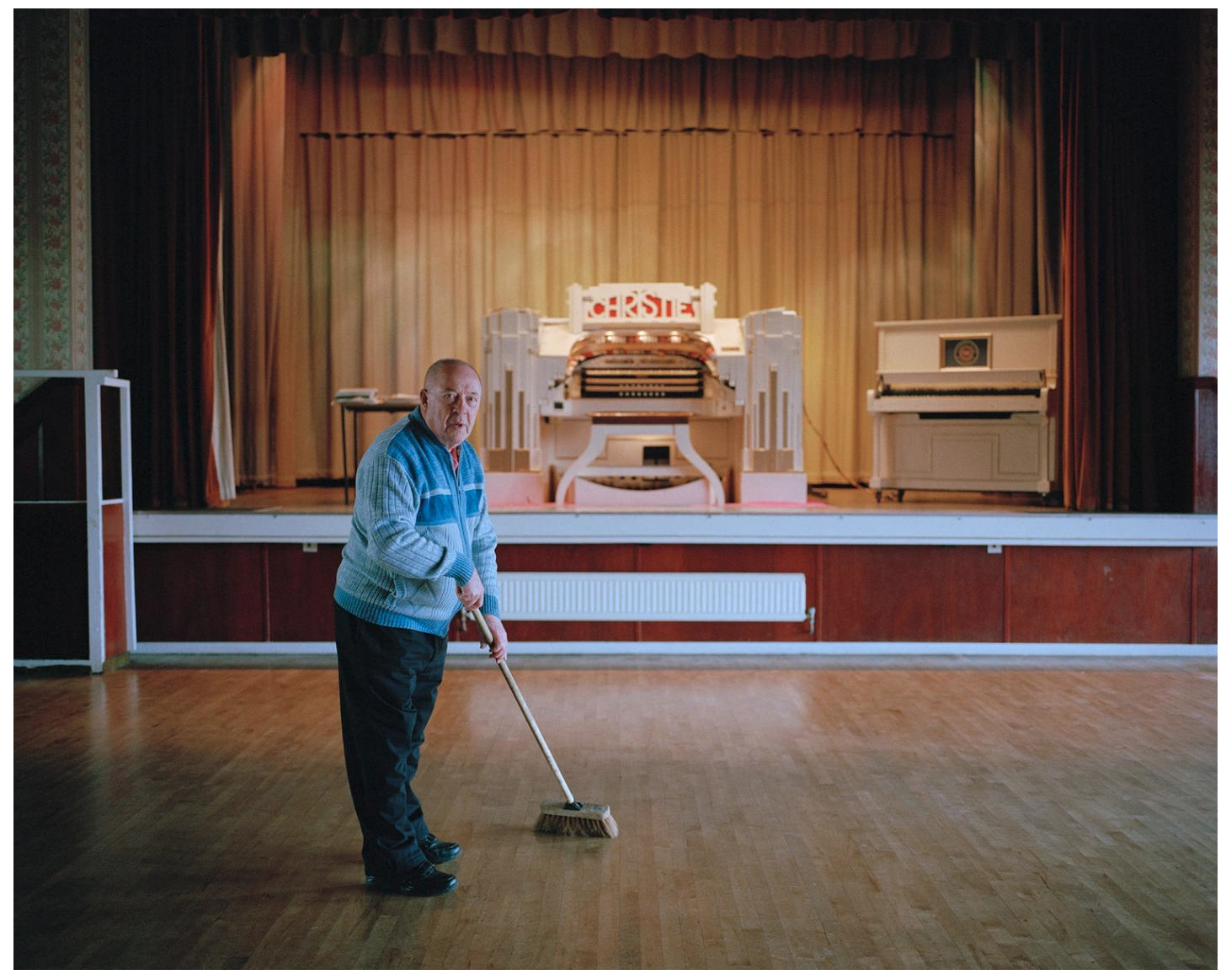
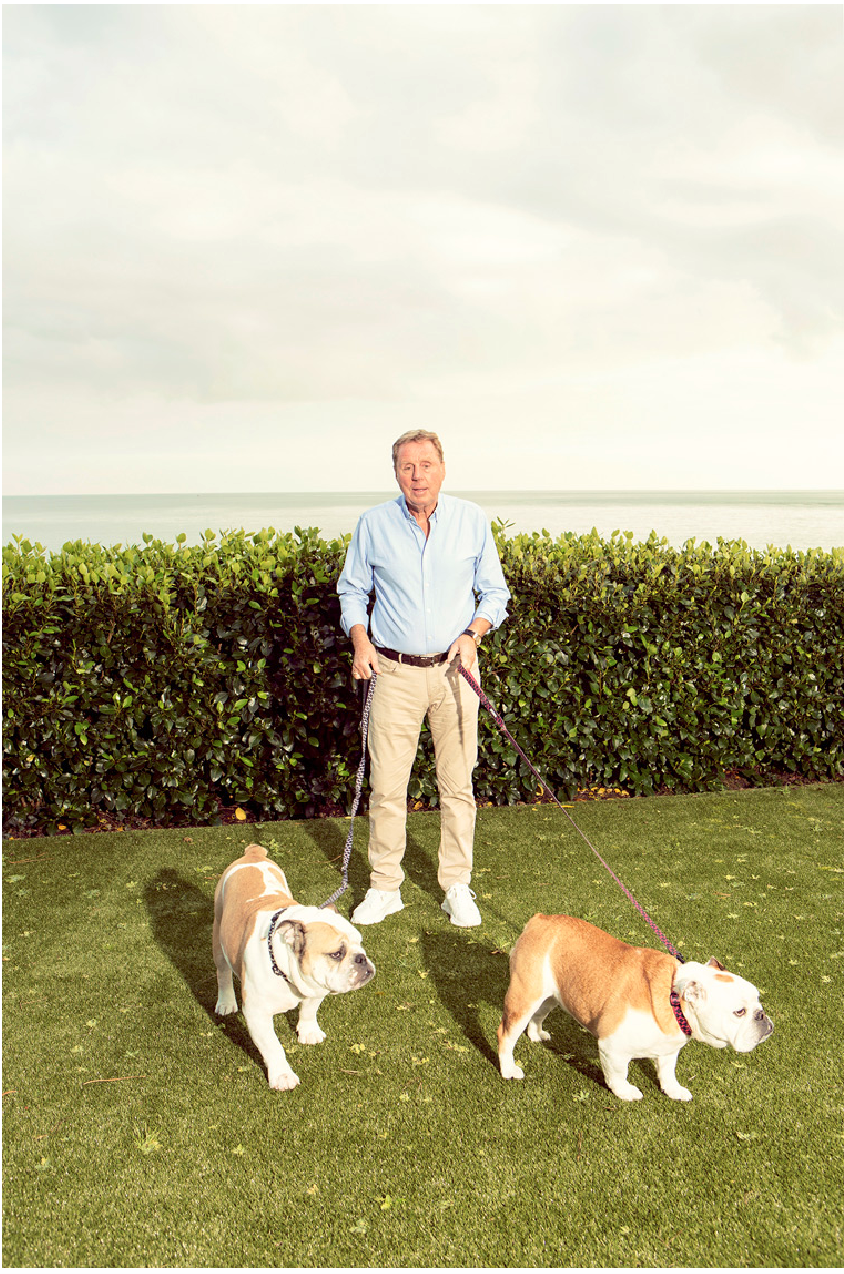
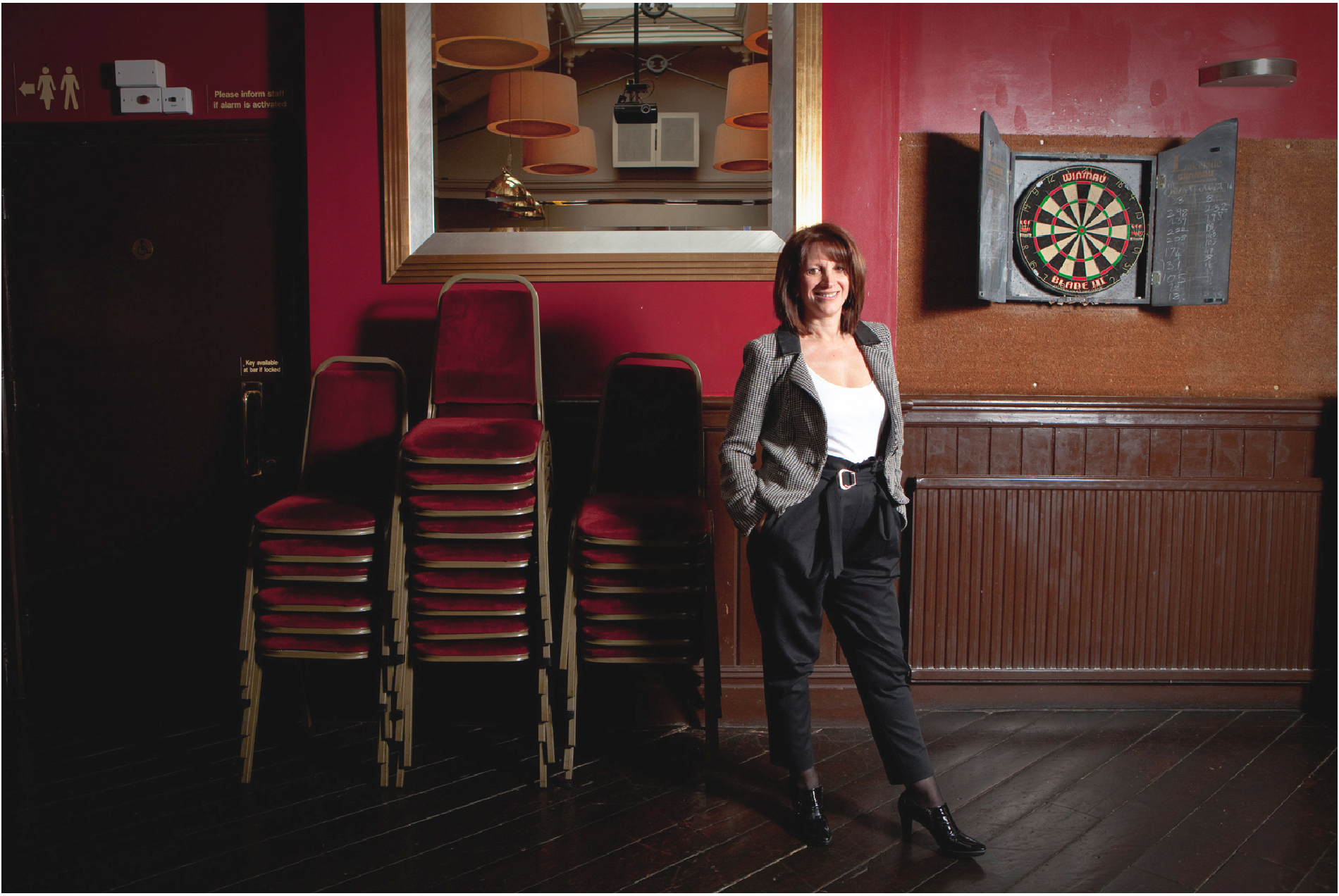
At the start of this project,I thought a more informal approach to the style of photography would suit me and the project best,within my research material you will see some of this.However as the project developed I could see it was not fulfilling my requirements,it did not tell the story.Part of this was due to the restrictive nature of the lockdown measures imposed on pubs and clubs,I was not able to fully engage with my subjects,some people felt uncomfortable with breaking the 2 metre rule and engaging in conversation and part of it was my own preference.I spend a lot of my time shooting environmental portraits,I like the way I can build a story with the surroundings so I decided to use the reference material and conversations I have had and invite sitters to a slightly more formal portrait session. Depending on these two elements I have sketched in my mind and sometimes on paper how and where I would like them to be.They will all be shot within the two clubs and reflect the people in them by using different parts of the clubs that I feel illustrate their personality best and celebrate their community and whilst this is my version,my take I will discuss the idea beforehand to make sure they are happy with my interpretation and comfortable with the idea.Often suggestions have been made that I have taken on board that improve the image,this only adds to the collaborative nature of the project. Whilst this may seem formulaic I have to work within the constraints of what is available to me at the clubs, It’s certainly not as grand a production as Gregory Crewsden may shoot but on a much smaller scale I am working to a narrative.However it is open to unexpected happy accidents much as it in my day to day practice making portraits for magazines,often without the advantage of actually seeing/knowing anything about the location or person. For example Alison and patch had just been for a dog walk and had their lovely dog with them,it obviously is something that bonds the relationship together so I included him in the shot and I think it was one of those happy accidents that made the shot more poignant.

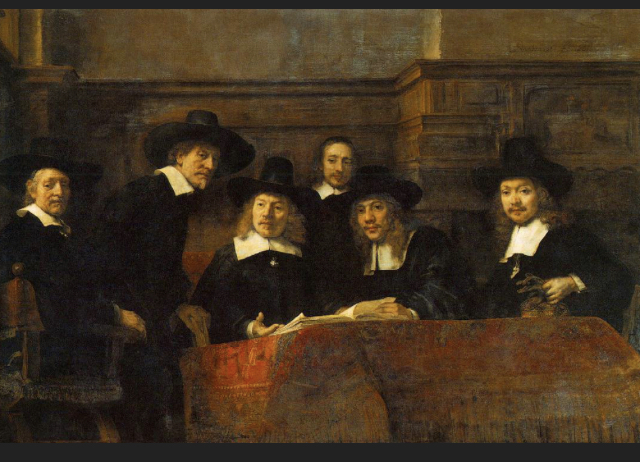
In terms of style I have switched to a larger format camera on tripod,lending itself to a more considered,slower paced shoot. Although each shot will be lit to suit its individual needs I am adopting the traditions of very painterly lighting,with rich deep colours ,much used in the work of the Dutch masters with particular reference to Rembrandt.I want the style of the images to add gravitas to the story,to celebrate the people,to make them look and feel as important as the revered merchants Rembrandt painted,by shooting them this way the tradition with which we view this method,this way of seeing,our visual language here in the West will add to to the outcome I seek which is one of celebration and dignity.
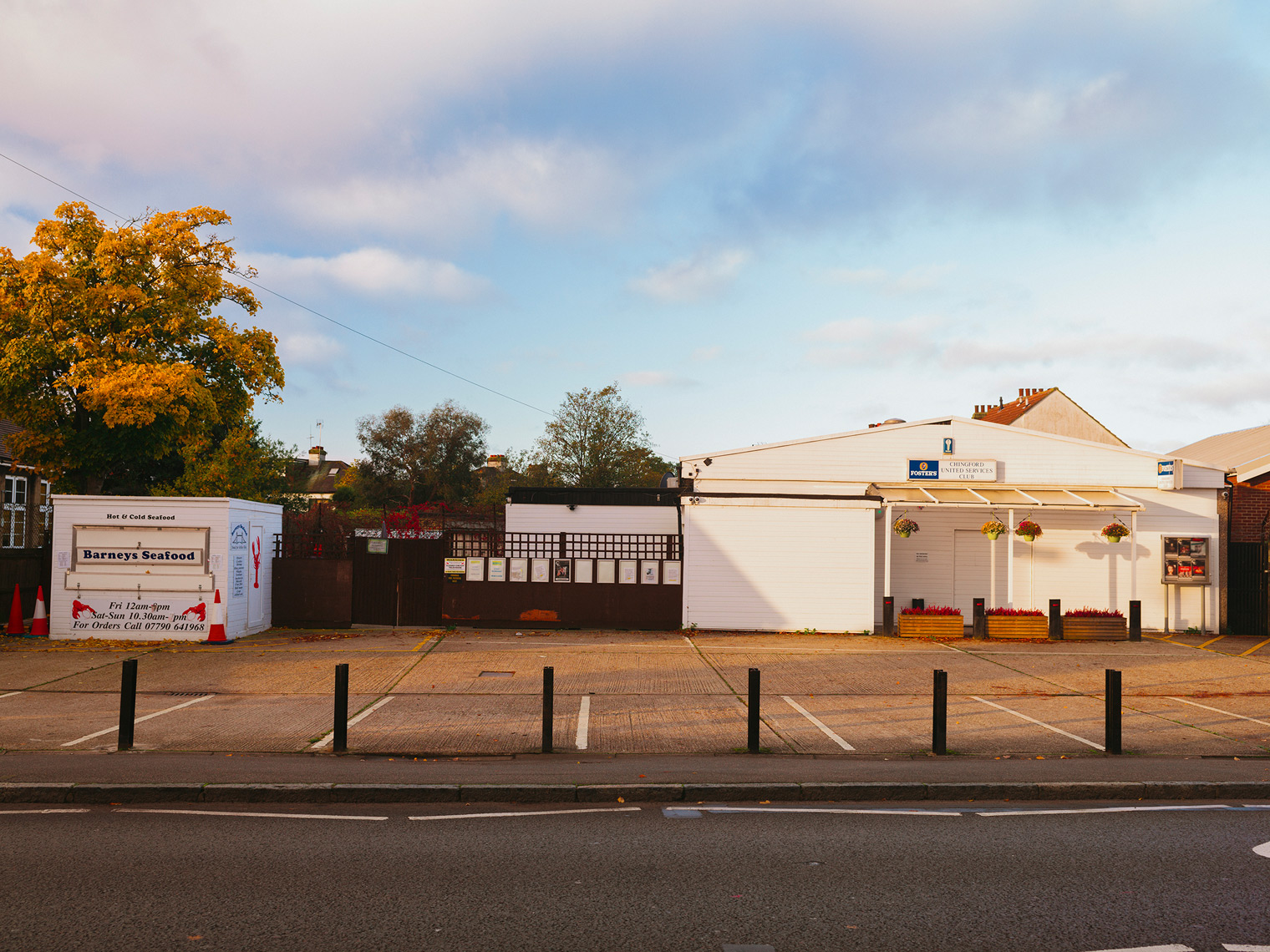
I considered several approaches to the aesthetics,all of which would influence the way we see and interpret the images and the ideas I am trying to portray.I looked at shooting in Black and White,which is actually still an option at least for some of the images,I’m actually a believer in doing what is best for each individual image,which may be it looks and tells the story better in black and white,this of course can lead to problems when creating a set or series of images and will be something to consider at the edit.My reason for dismissing this as a whole is despite being aesthetically pleasing in some cases it can create a feeling of nostalgia.In the modern language of seeing especially with the advent of Instagram it can be used as a tool to reflect on the past,this technique is often used in movies or TV as a mechanism to take us back in time,to tell a story about the past and whilst there is a lot to be said for a beautifully printed black and white image I really want to avoid any idea that I may be looking back with rose tinted glasses, I want it to be a celebration of the now and future.It’s something i’m still very much debating internally.
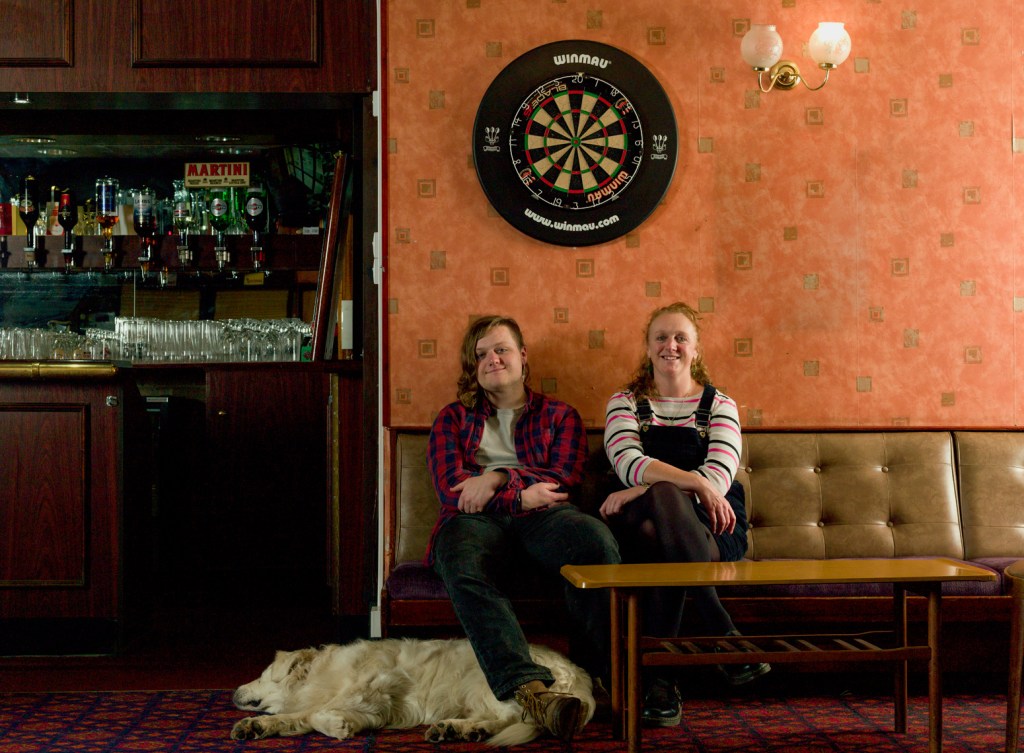
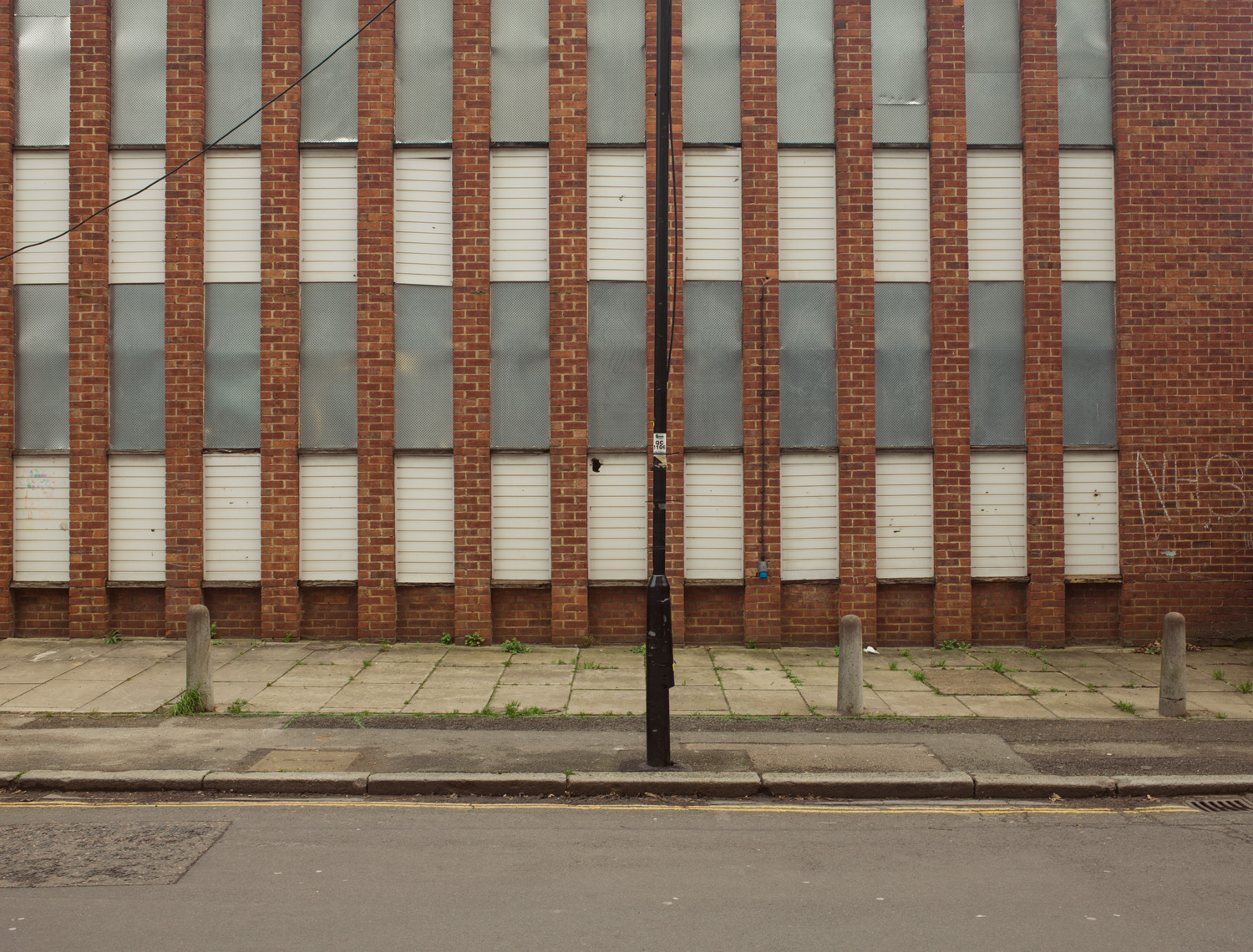
The other main contender in terms of look was colour with a very stark almost on camera flash feel as adopted by many fashion photographers and colour documentorists such as Martin Parr and to a certain extent the afore mentioned Rob Hornstra. Whilst I think it has its place again I can’t help associating it with a certain agenda.This style as entered the lexicon of seeing as being brash,harsh,perhaps critical and mocking which is very much not the message I want to convey so once again despite a look I like I’m keen to dismiss any chance of misinterpretation.Instead by adopting the avenue I intend for the portraits it will reinforce the message give the project a central structure from which I intend to adopt a less rigid regime of complimentary styles for a series of interiors,details and exteriors using the influences of works by Alex Soth,Paul Graham in his A1 and Beyond Caring projects,Mark Neville’s Port Glasgow series,Chris Coekin,Bernd and Hiller Becher,Fergus Heron and of course the new topographic photographers,especially Stephen Shore.
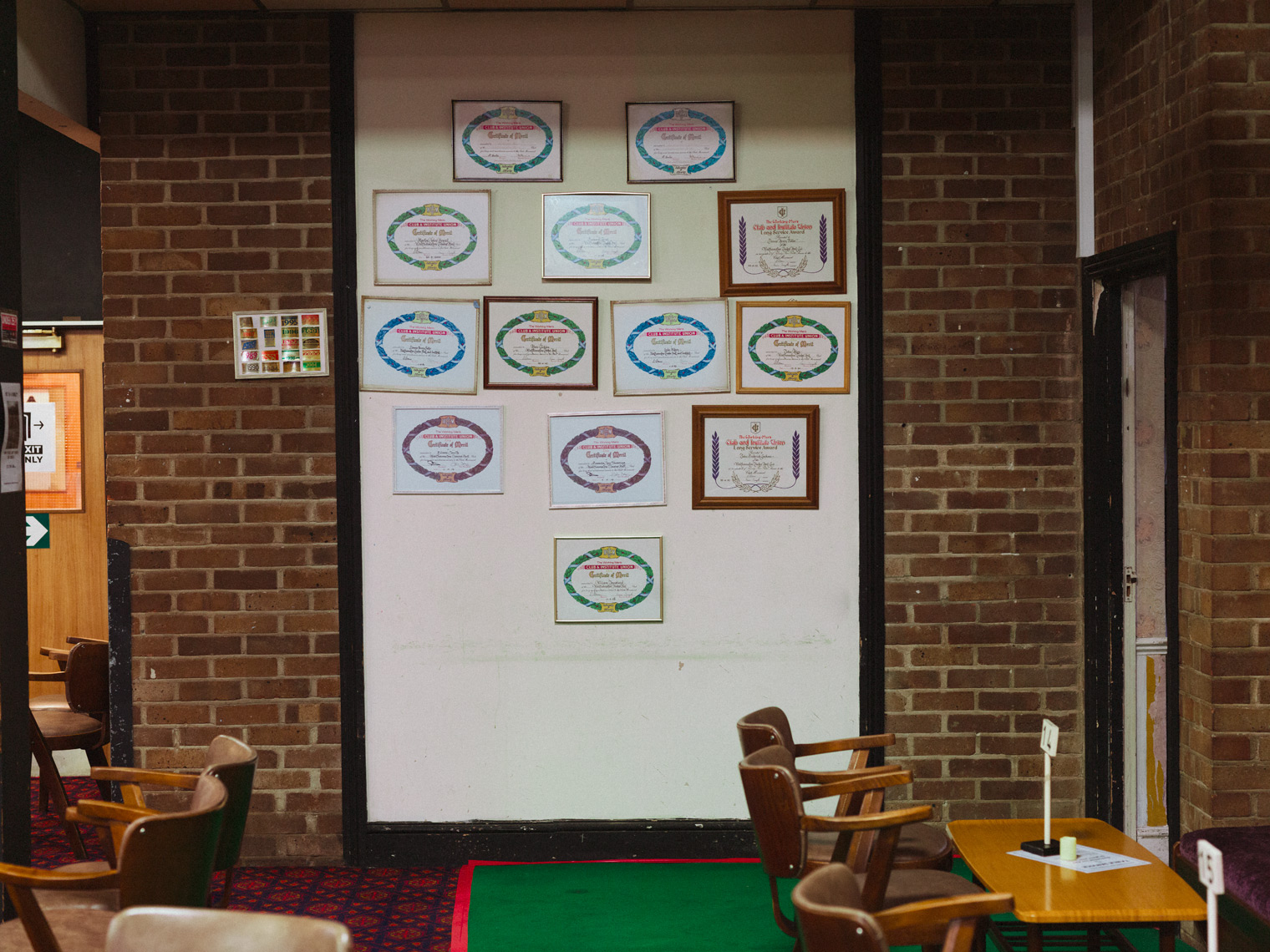
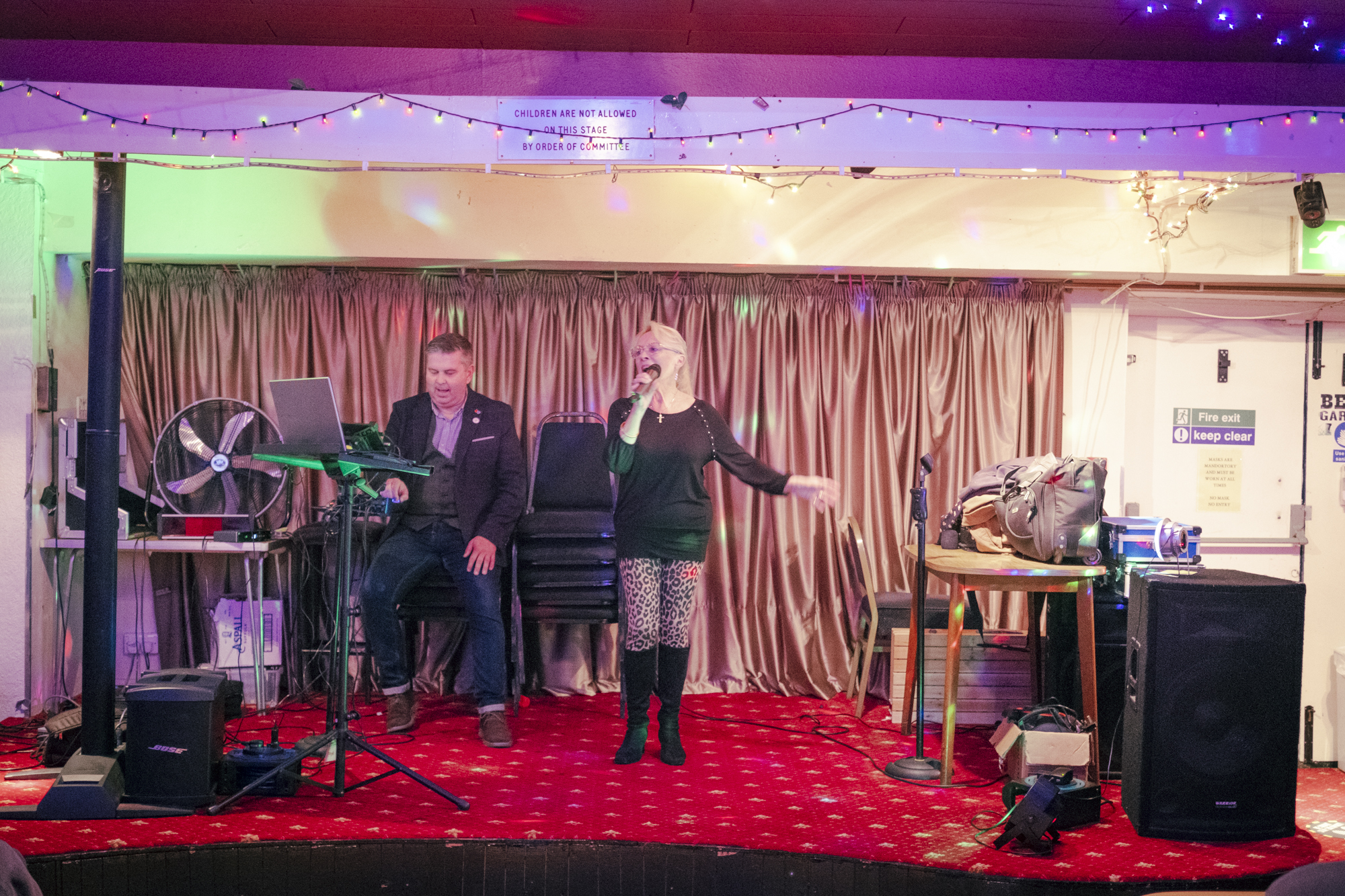
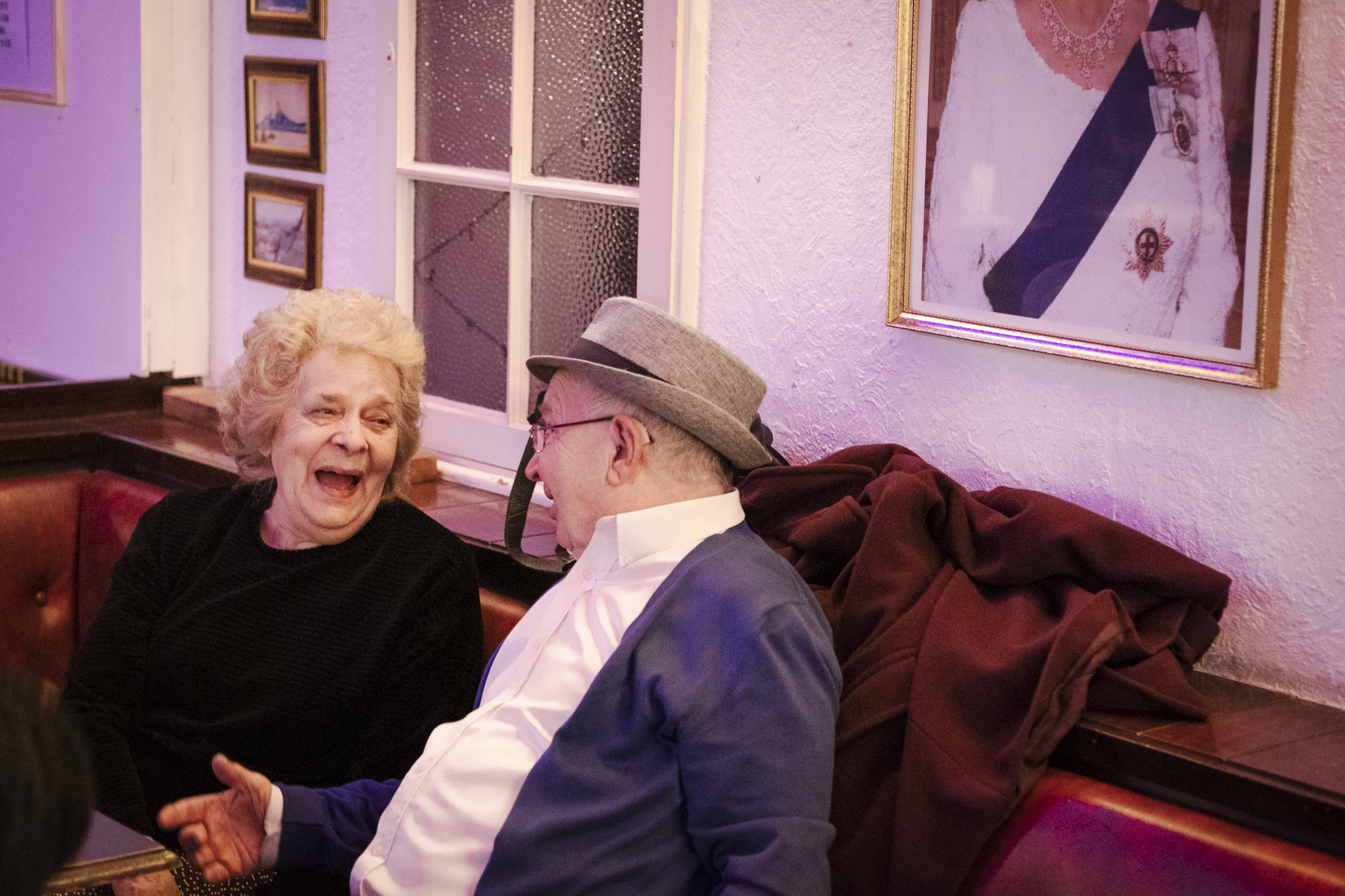
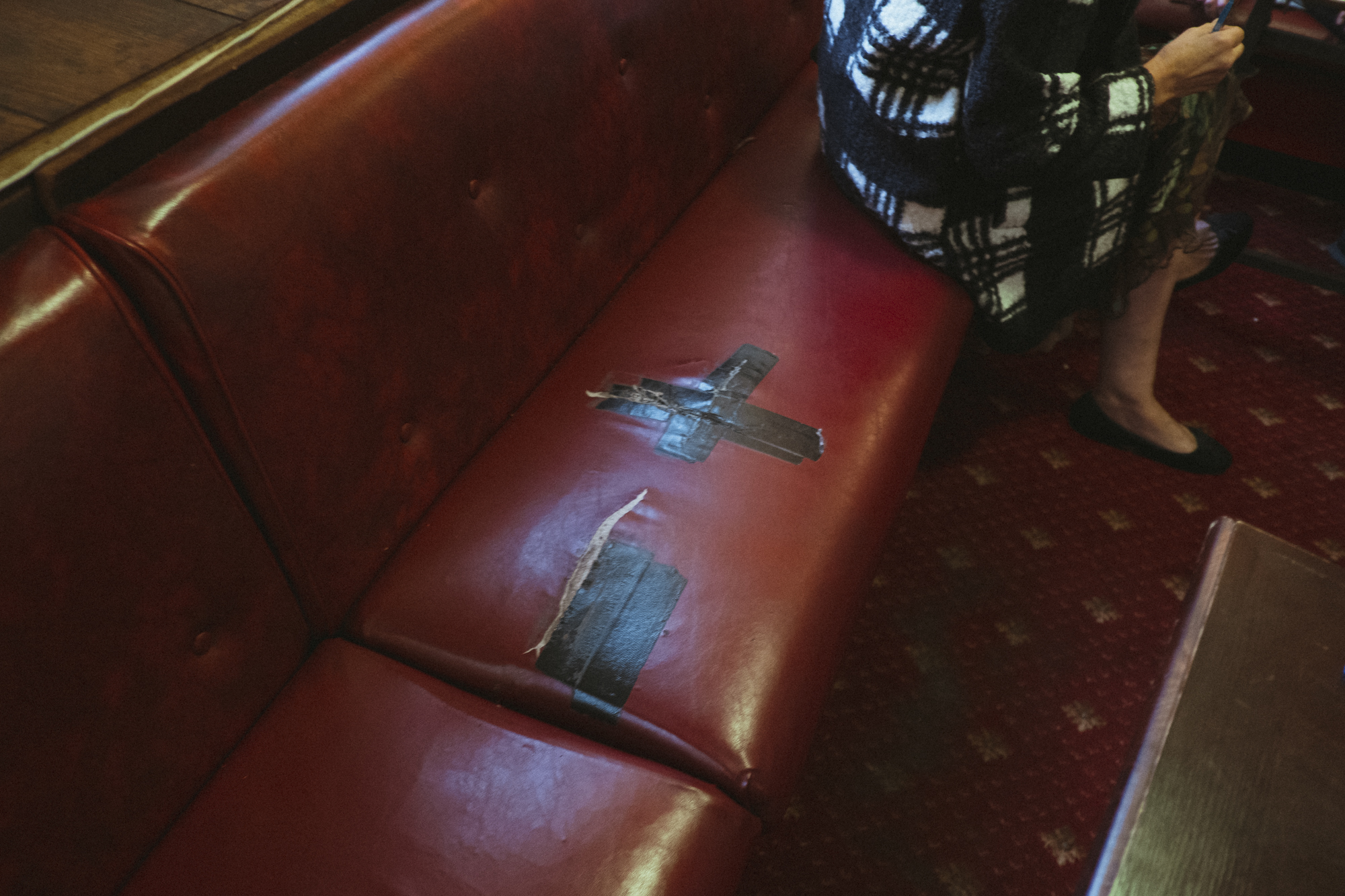
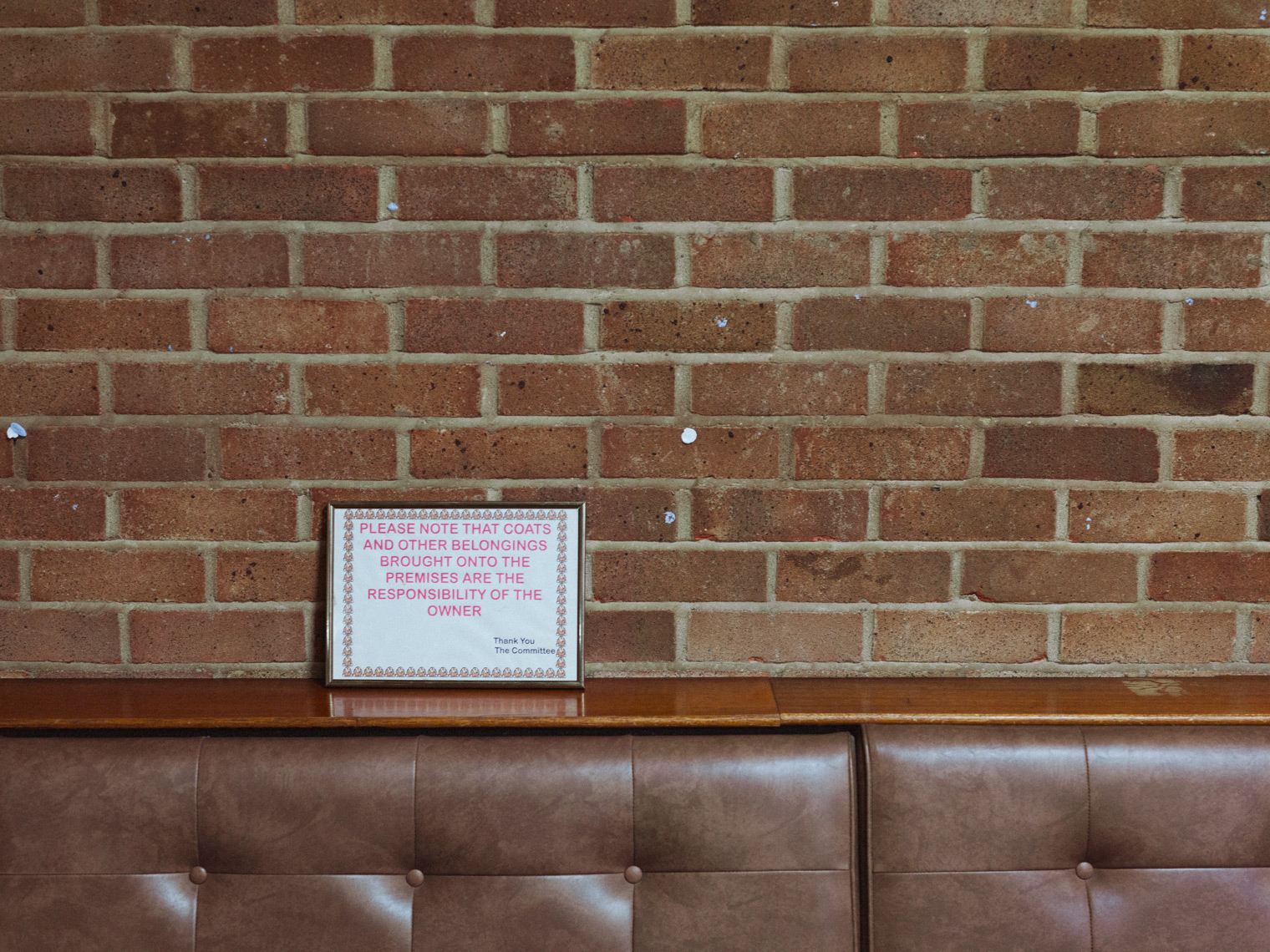
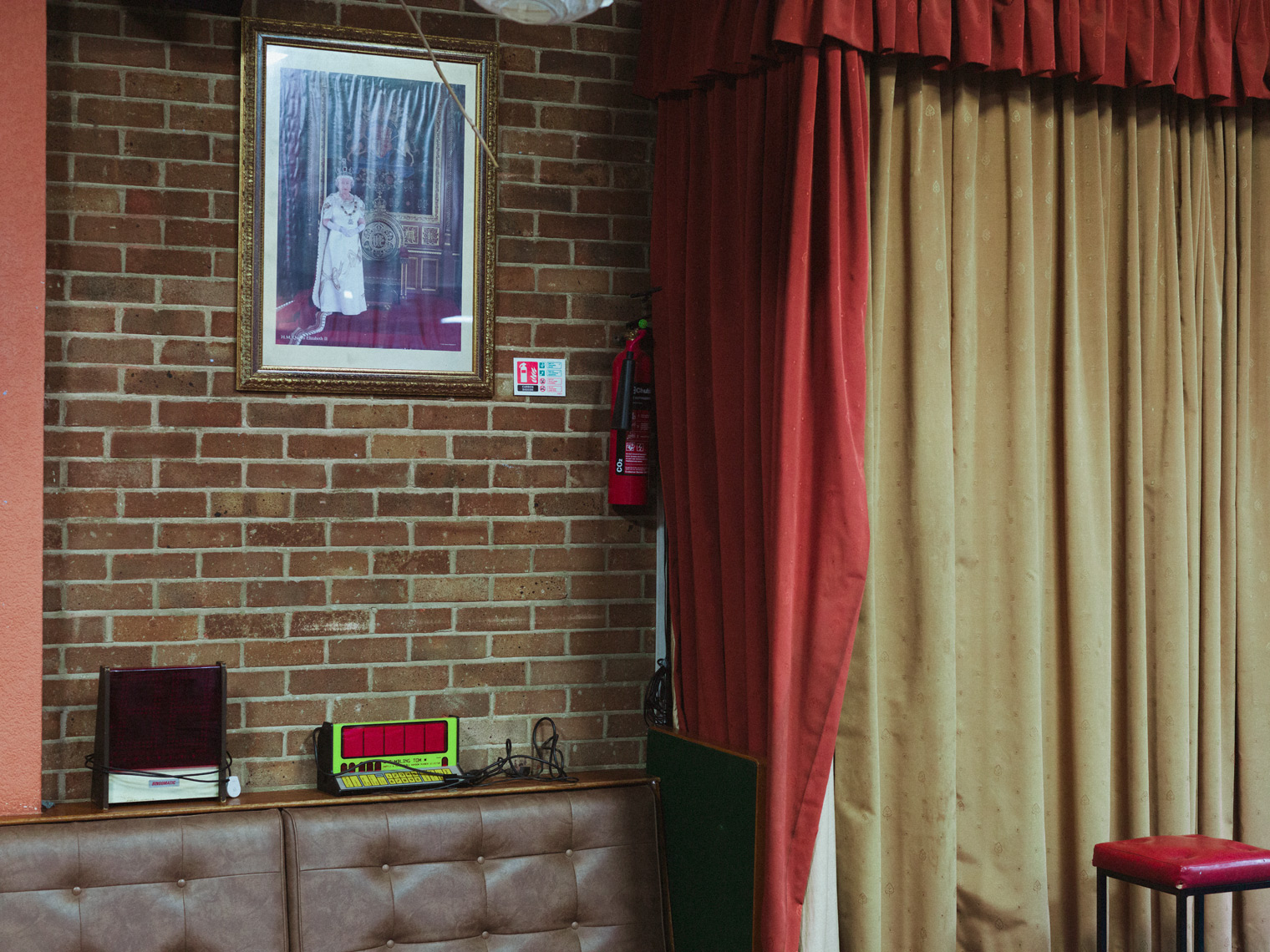
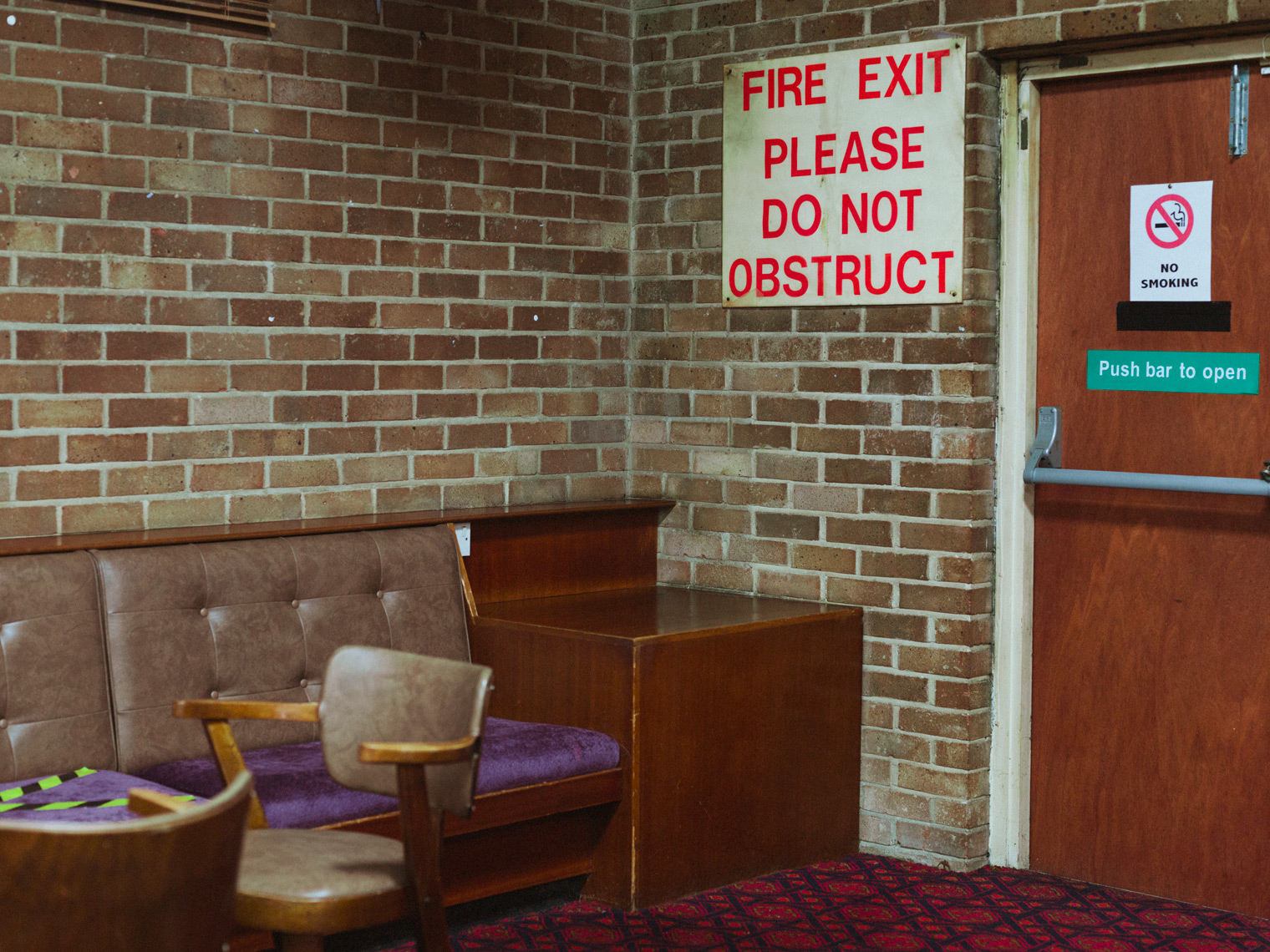
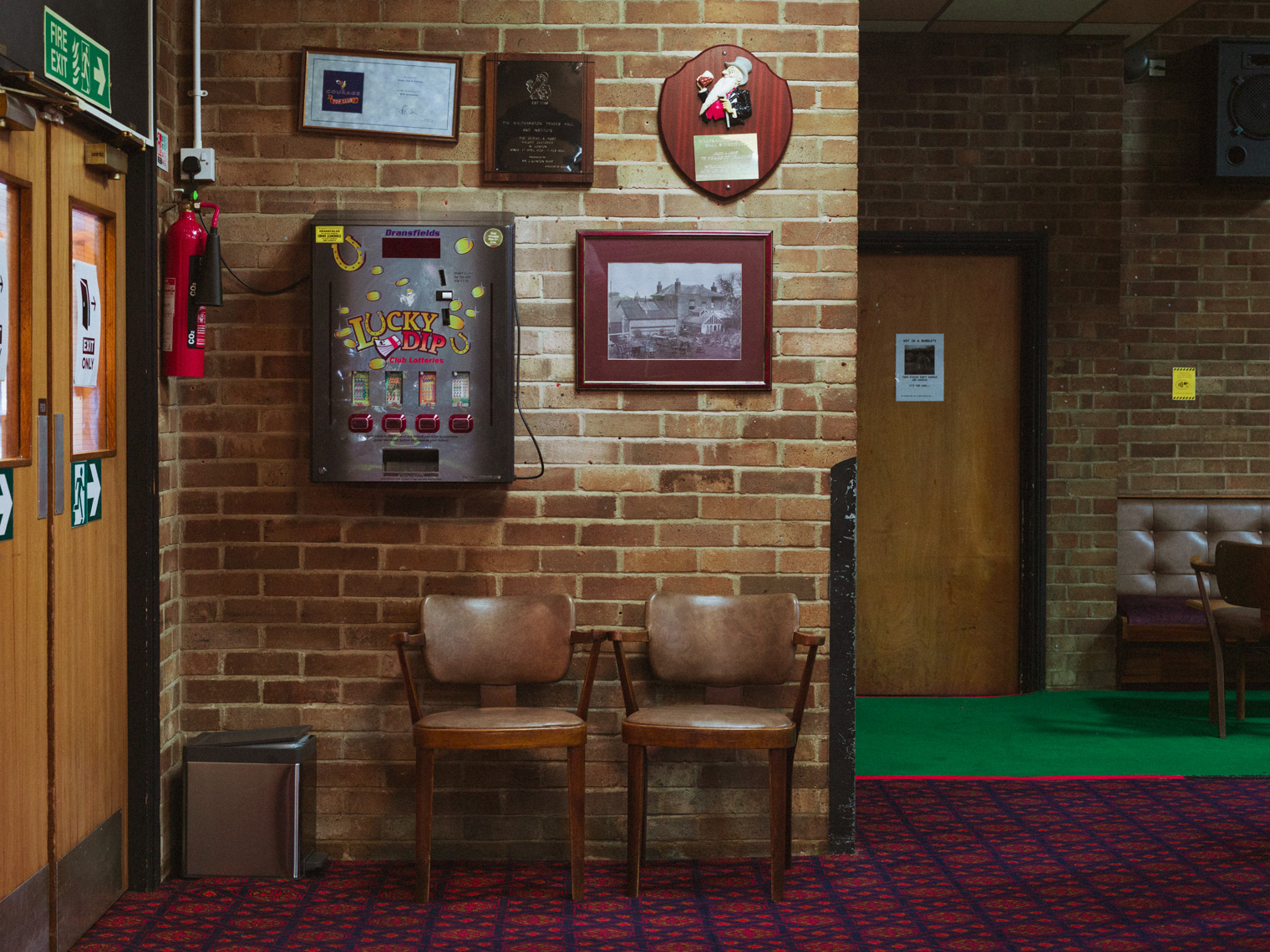
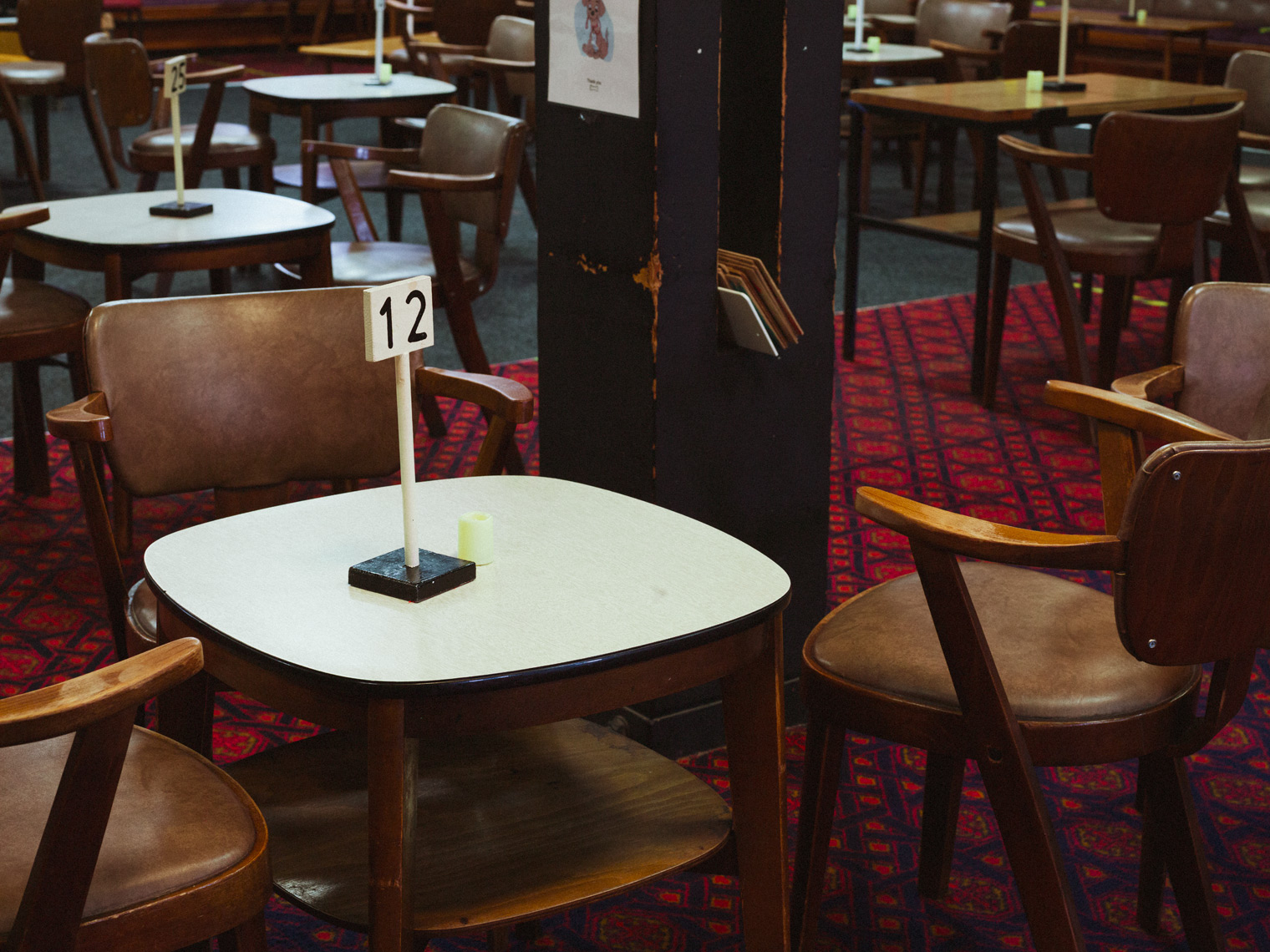
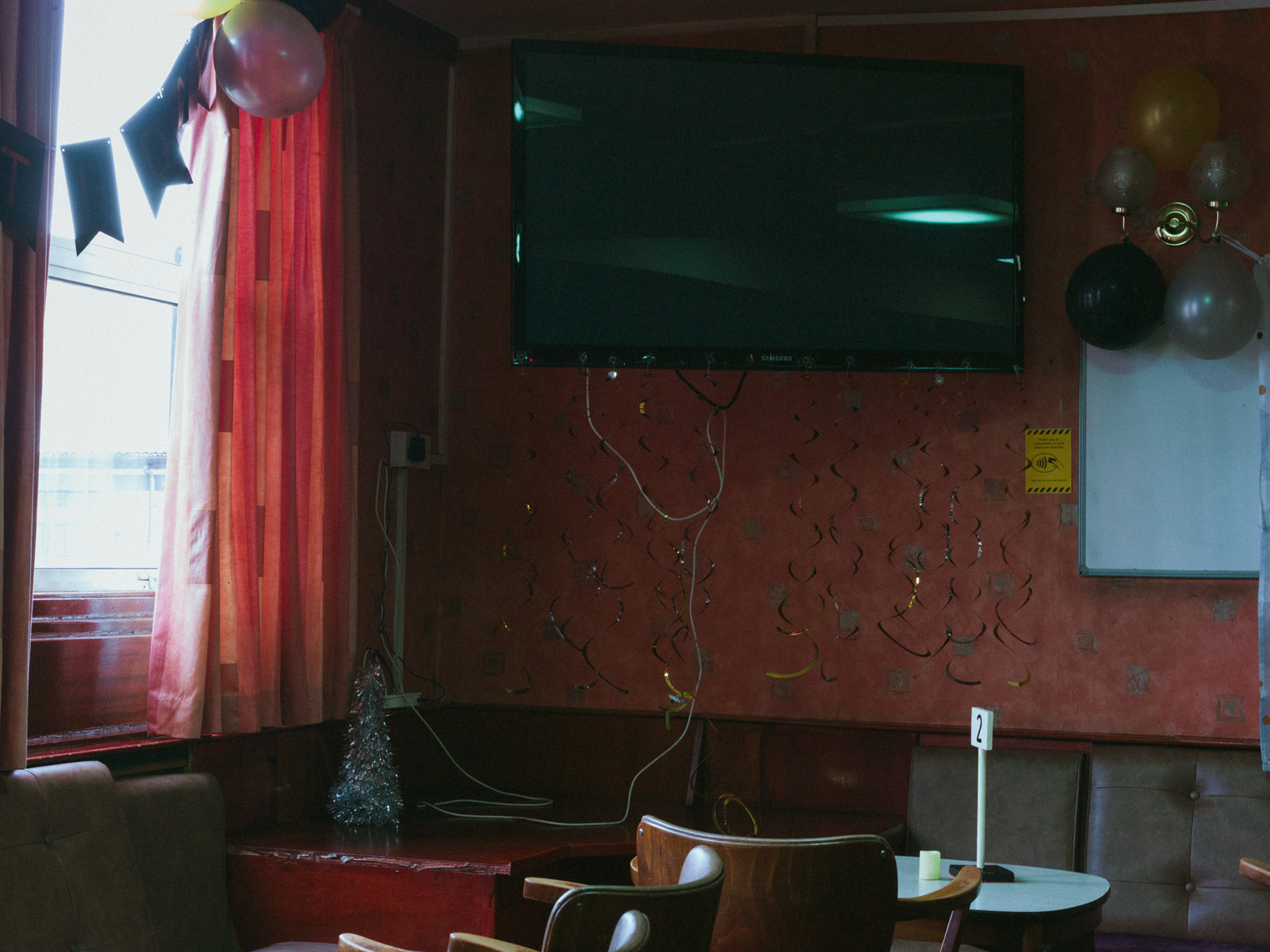
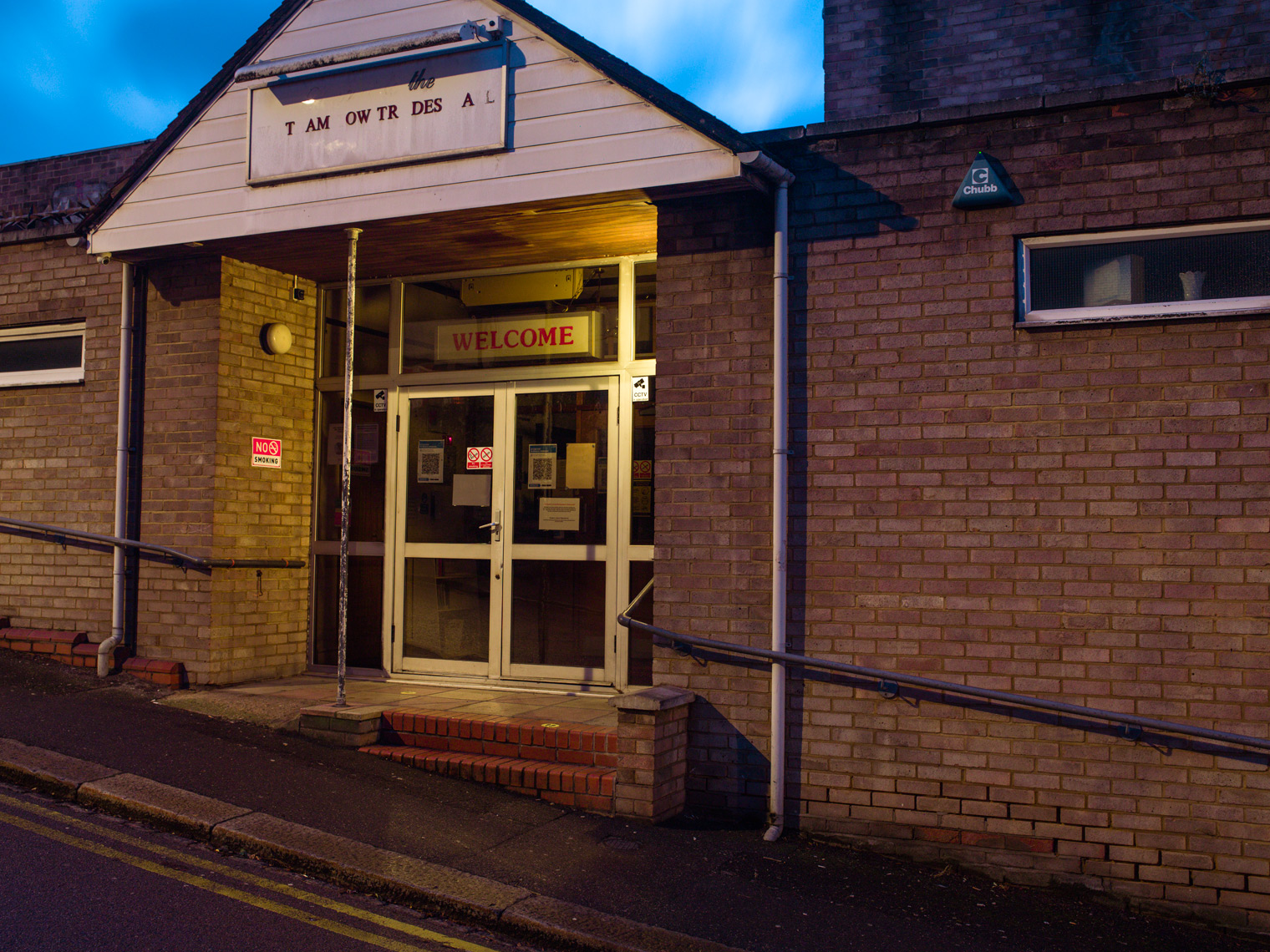
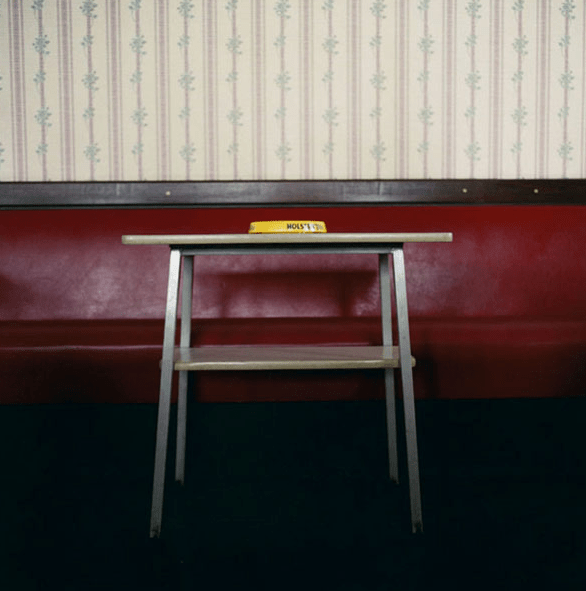
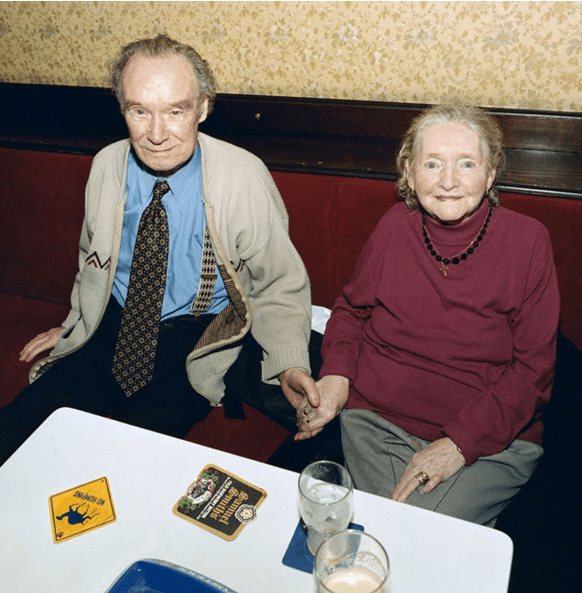
Images shot by me during my research as reference,a small selection amongst many that may or may not make the final edit but definitely have helped the journey to where I am now.

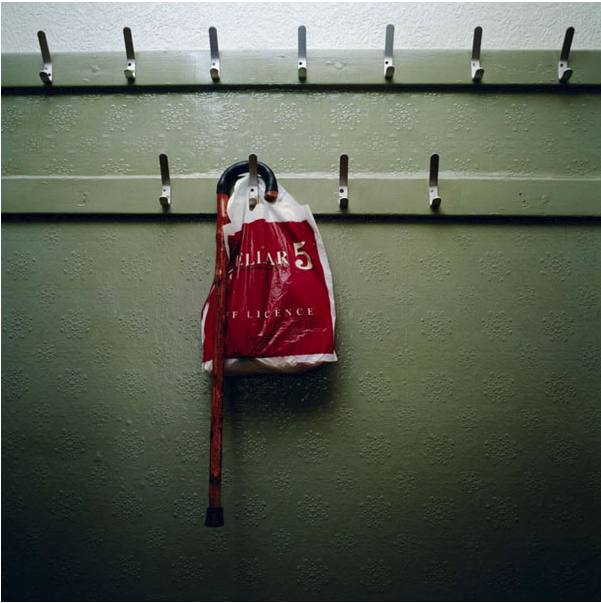
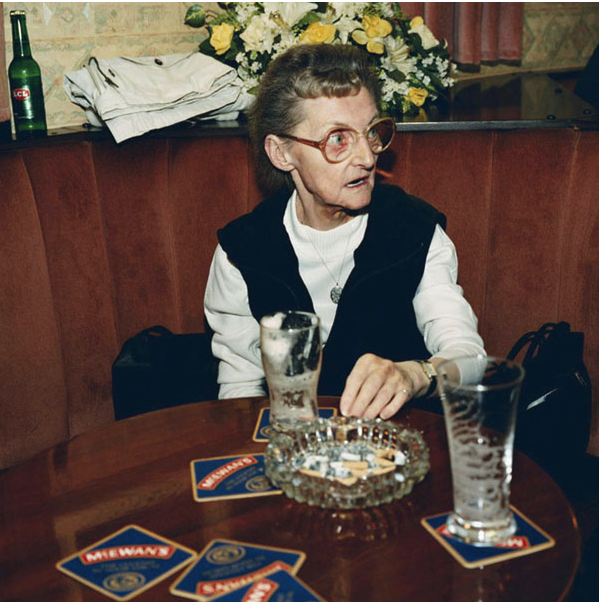
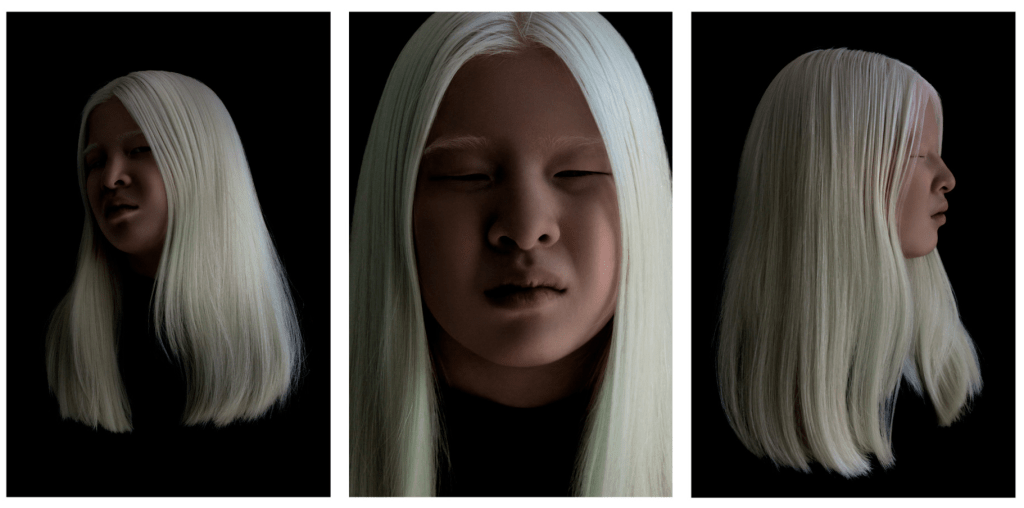
Various influences including imagery by me,Rembrandt,Mark Neville,Chris Coekin,Julien Germain and Rob Hornstra.

The beginnings of the Work in Progress . Dean Belcher 2020/2021

FMP UPDATES AND THOUGHTS ON SOCAIL MOBILITY

I’m still having doubts as to the merits, imagination and potential to be something of interest but i’m pursuing and shooting as best I can in the restrictive circumstances.

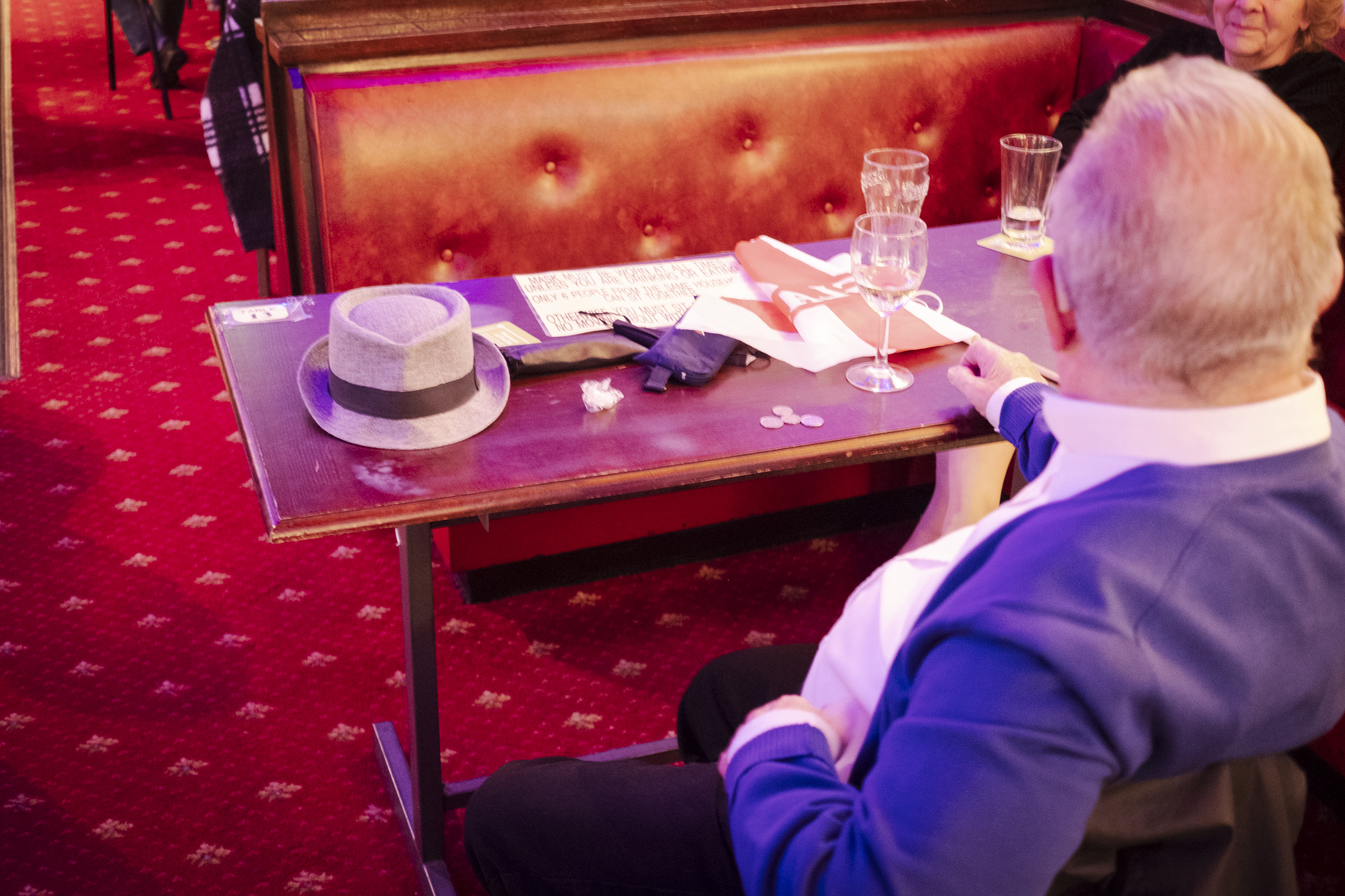
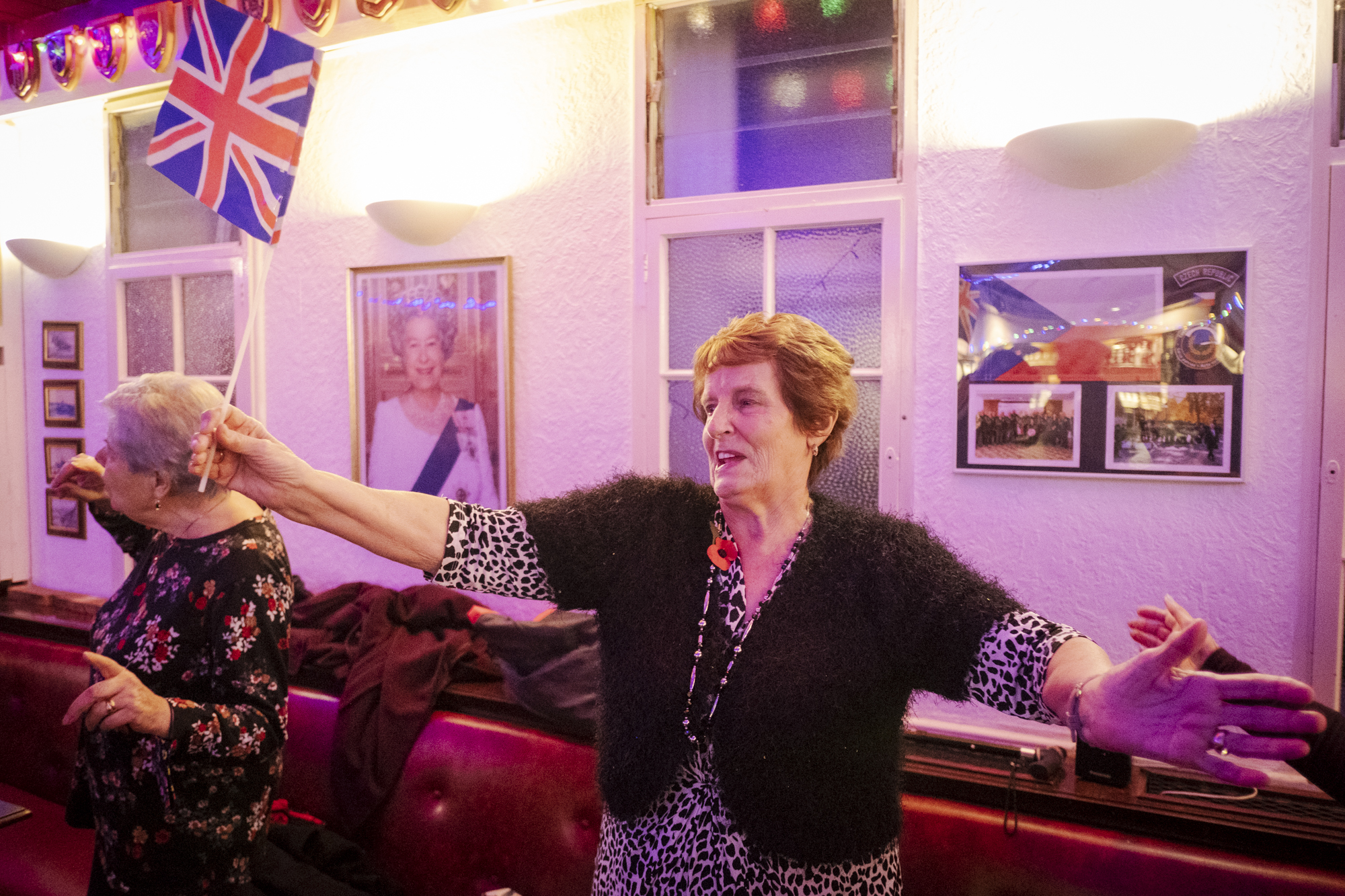
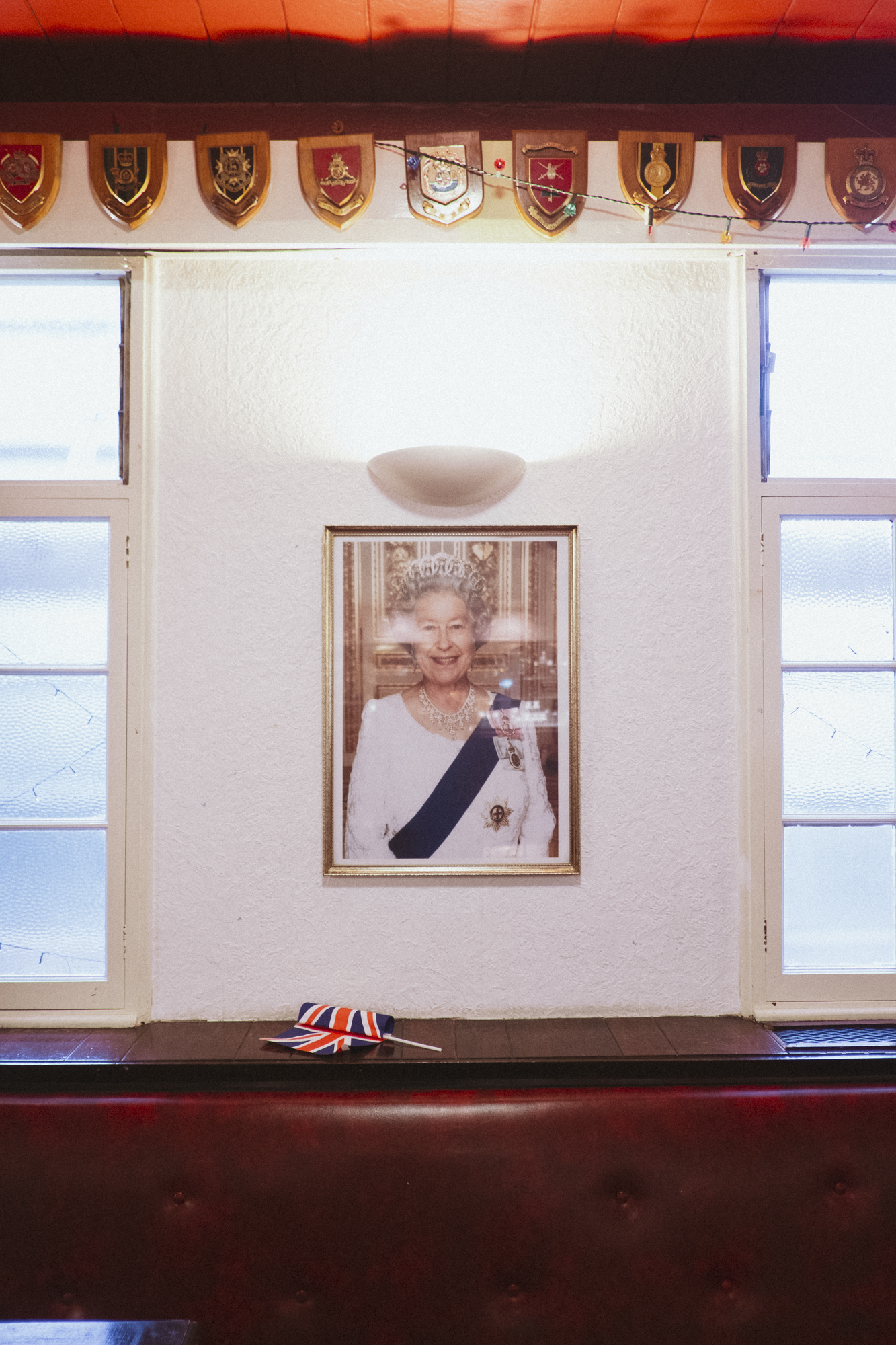
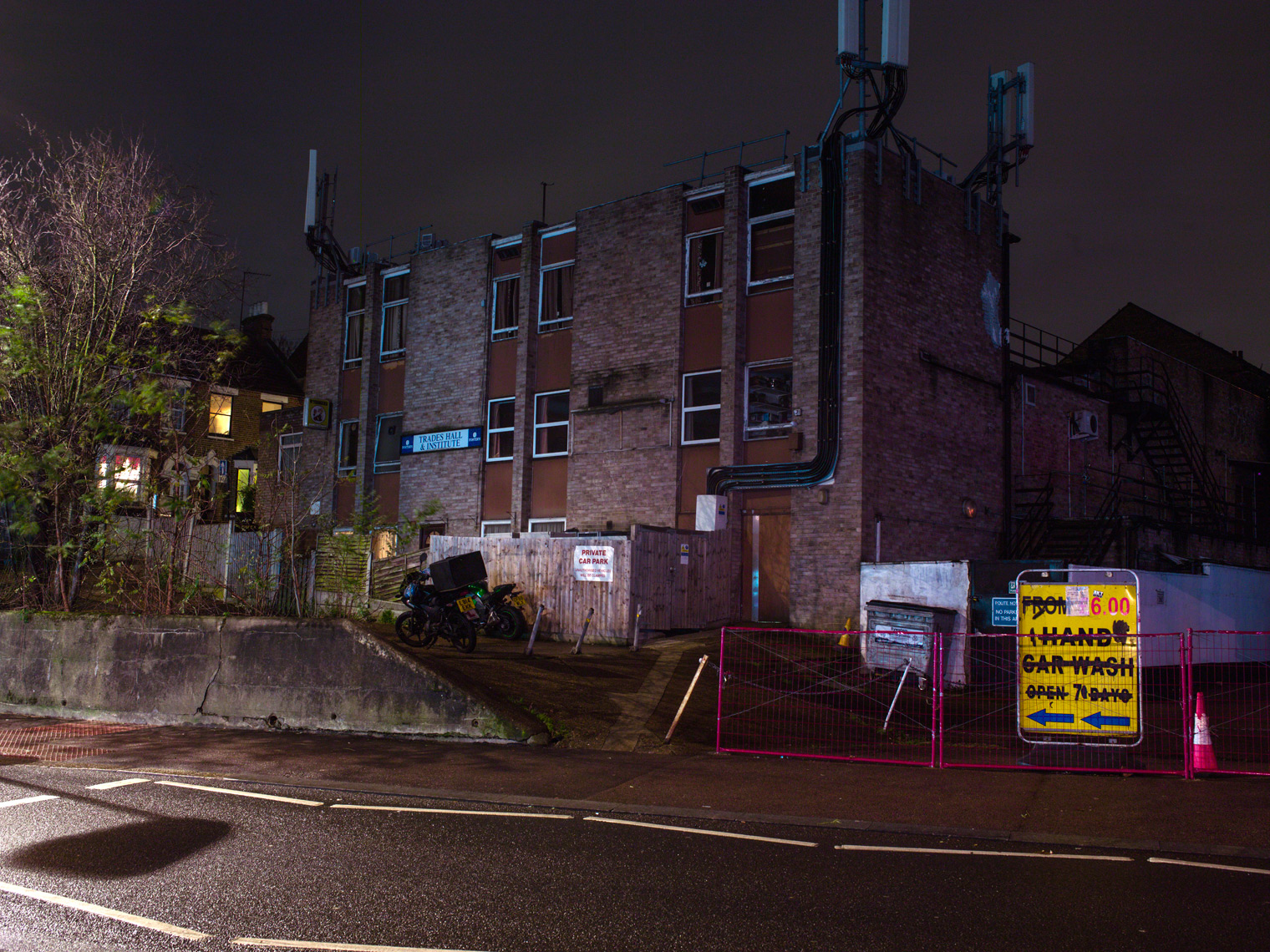
I want to celebrate the WMC or at least the people involved,i’m struggling at times. In particular at the ex servicemen’s club some of the gestures such as the singing of land of Hope and Glory and the waving of Union Jacks to get attention of the bar staff,the lack of any diversity race wise does make me question some of my motives or beliefs in the people I am celebrating here. I think I may be over thinking it and reverting to media stereotypes of flag waving racists when in fact its an older generation who are actually just having a bit of fun in the traditions they have been brought up in. I have no reason to suspect they are at all antiquated with old fashion views that do not fit my metropolitan left leaning views,not once as racism raised its ugly head or even Brexit,I have no idea how any of the people voted and suspect even if the vast majority did once again it would have been reasons beyond racism,not all brexiteers are racist I know.I guess it just doesn’t sit well with my romantic idea of the progressive militant working class, why should it, most people are just trying to get on with their life the best they can and often that as been a struggle,to let loose with a few drinks and a sing song is part of that tradition associated with working mens clubs,I suppose I’m struggling to shake of my preconceptions formed back when I was in my late teens.

I’ve met so many wonderful people i’m almost part of the furniture in this club in particular,so much so I know most by name and they mine. I really do not want to betray this trust.

In contrast the more progressive club is harder to penetrate with a mixture of similar people to Leyton they also have a far more progressive membership that I think are still a little wary of my motives,saying that I do feel that it is moving forward and whilst I have taken less images there I have made great grounds in making contacts and provisionally made loose arrangements to reconnect in December when I plan to start shooting more there. They have abided much more by the covid rules so i feel obliged much more to keep contact to a minimum ,the older crowd have been much more receptive. 

I need to align myself with the younger members and in particular the gay and black members to try and get my message across.

One way I think may be best is to set up a shoot day or two and stay all afternoon once some normality comes back, if it does. Under normal circumstances I would have progressed much further and quicker with the process. This club in particular only opens for Friday and Saturday night events at the moment which usually involve loud music so conversations are strained and mixing between tables is discouraged.I’m now at a point where I think I’m well known enough to push this a little without upsetting the comittee.Which by the way I have been invited to join,I think I may be an asset .

I still struggle with the idea of joining these images up with my story.I’m trying to explore more than anything social mobilty and my journey from a working class background through education and self learning to the lower middle class lifestyle and environment I find myself in now.How I am able to cross both divides and my relationship with both in terms of my own views and opinions and those I encounter and have left behind to a certain extent. Most importantly my relationship with my father,his with his and mine with my own son and my sons with his grandfather,all of which are very different but have a similarity in as much as they are all fraught with a tension apart that is the one between my son and I which I hope and it seems as broken the cycle. We are however all very similar in personality which is interesting.

With social mobility levelling out and possibly on the decline for the first time in decades i’m keen to explore how this as happened  and where all the opportunities have gone.Maybe they have not and we’ve just reached a natural plateau but with what seems like the polarisation of society on the rise in recent years i’m keen to look at it through my own experiences and that of my family.

My experiences are very different to those of similar youth growing up today some would argue the opportunities are more but if that is the case why are a growing and disproportionate amount of people from similar more wealthy backgrounds still more likely to be employed in the top earning professions such as law,journalism,politics,education,the arts,banking and TV.There are still many hurdles and gatekeepers that discriminate either actively or via ingrained stereotypes and traditions that are not being broken down.The so called meritocracy I would argue does not exist and if it ever did is on the decline once more as ways in are about the connections made through social standing either at school (usually paid for) or through parents in the same profession,who can realistically intern for a year in a major city for free without the outside help of others ?

According to Hashi Mohamed in his book People Like Us the gap between the standard of education of private schools and state schools as lessened,admittedly there are factors to take into consideration like the league tables which are easily skewed and schools with an entry exam in the case of some grammar and religious schools which whilst independent are still classed as state and do cream off the best talent.In contrast to which and usually to keep exam result tables at their best some state schools expel troublesome students who are proportionately less likely to attain good grades if any before they sit and in doing so bring the overall averages down.It is So why is it many families pay and in some cases struggle to pay to send their children to private schools ?

Why this huge investment when state schools are closing the gap academically and in some cases superseding them with exam results.The answer it seems is the social currency,it really is worth the money to instil not just that confidence and believe but also the ability to interact with the people from these backgrounds the top professions employ the most,that ability to engage in social situations and use those opportunities to expand the correct networks so allowing very little scope for someone without those connections to penetrate and on the off chance they do,once in to flourish.

There are many many areas to explore as to why and how social mobility does and does not work how it was once seen as a vulgar term or as a betrayal of ones roots,much of which I hope to explore in relation to my story.

Code editing is one of my favourite areas of research and in many ways relatable.Take most social,work or interview situations,without knowing someone’s name,background,social standing,job,schooling first impressions is a very important part of how we immediately evaluate someone’s suitability as a friend or employee or simply the person who we may be chatting to for the next 10 minutes.So apart from appearance such as dress codes the next is race,ethnicity,so lets say we can see past that the next is accent or vocabulary.A child of 6 from a wealthy background with access to books and who would most likely have the time given over to them to read and be read to has vocabulary of around 2600 expressive words and 20-24000 receptive words of vocabulary whereas a child from a poorer background who’s parents or parent are more likely to have less time and money or even the inclination to be able to provide this are substantially weaker in both areas often with a reading age of around 15 months leads to a perpetual game of catch up.Accent of course is a different matter and quite complex also,imagine if you are the child of a 1st generation or refugee family where English is not your first language, not only is their ethnicity,cultural and economical disadvantages at play there is also language and pronunciation. Even within groups of people born and bred in the UK for instance accent plays a huge part in how people perceive you and this is where code editing is very interesting.A lot of people have what they call their telephone voice usually an attempt at a clipped BBC queens English,code editing put simply is an ability to change ones accent ,to have a wide vocabulary and be able to use it to fit in within the current circumstances and surroundings this ability to do this is an important part of social mobility and creating the all important means of fitting in and opening up opportunities.

In practical terms and going back to my methodology I think the only way to get the portraits I want is to set up several portrait days similar to Daniel Meadows did with the Photographic omnibus and offer free prints in return for time to talk and take the images set up in the environment and lit how U see them in my head,very much based on what I have seen in the club and more in keeping with my usual method and practice of environmental portraiture. I just need to convince the committee !

Other areas  I have discussed and need to clarify going forward is how I link this work to my own story. One idea I have is to photograph myself my dad and my son all in a similar way and produce a single triptych that connects us all in one image.

Me in the middle one either side like this image I produced earlier this year.

I’m also toying with mixing black and white with colour images,i’m not sure wh,aestheically I prefer in B/W and some in colour,is that a good enough reason.Perhaps I could use it as a tool to play with ideas around the past and present with some of the b/w being mostly shot in the club that is becoming apparent is a bit stuck in the past and concentrating my efforts to produce the colour portraits in thre more progressive club. 

On Another note I have been thinking of alternative projects just in case, maybe that is a mistake but I always have more than one project on the go as a rule in  any case.

One that may work is a series of portraits of on the ground revolutionaries  and key people important in bringing change via grass roots organisations.

I am very friendly and familiar with Red Saunders who along with Roger Huddle ,SYd Shelton and Ruth Gregory,(also fiends)set up and organised Rock Against Racism, a group that was instrumental in combating and actually stopping the rise of the NF and BNP in the UK at a time when they were on the rise and gaining seats in local elections.

I have many more similar people i’d like to photograph and have access to them through various connections.

During the covid restrictions I thought I might go for a walk and record their story then photograph them again in an environmental portrait setting and style outside.

Influences.Chris Coekin and Daniel Meadows

I first came across the work of Chris Coekin via my tutor Wendy Mc Murdo.It’s been a real help in shaping the methodology of my FMP. I was starting to doubt the viability and validity of the subject and how relevant it was to the story I want to tell.

His work around Working Mens Clubs Knock Three Times in particular resonated with me.I don’t have years to acquaint myself with the members but having become a member I am finding the process of getting to know people quite easy now and find they are interested and supportive of the idea, what it is for or will end up seems to be the main concern, once that is explained they open up and seem to be very accepting so far.

I mentioned before that I wanted to do a short presentation to the members but it seems Julia the Club president is not keen. Although she as been reasonably co-operative I believe I have some way to go before she is totally convinced of the project and motives.I think she wants me to bring something more quicker.I’ll work on it.!

In light of this and the responses I’m getting it’s now time to spend some time actually shooting more than just some of the found images. I’m sure I will use some of these but as a tool to get to know people they have been of most use.My friend Peter Dench who is a renowned documentary photographer explains that many times he as wasted frames and rolls of film getting to know people, people in charge asking to be photographed,people who perhaps are not relevant to the story, that will never be seen but by doing so sets them at ease.I have had to employ this method myself before and I see it as part of the process until you are accepted, the real project becomes apparent people understand and start to forget about you being there.Becoming part of the furniture.Often recommending other useful people and places.

It’s true to say that by being upfront and close you often blend in and become just there by being honest and open as opposed to trying to sneak shots or use long lenses, often by doing this I find you become much more visible, the images say very little and there is no relationship between the subject and photographer.

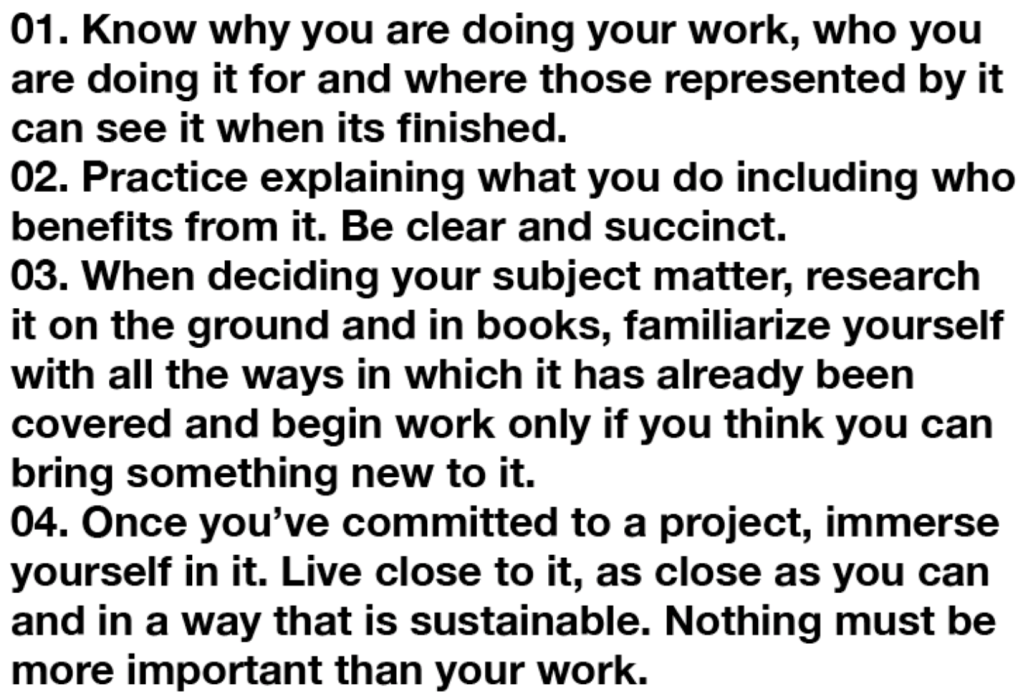
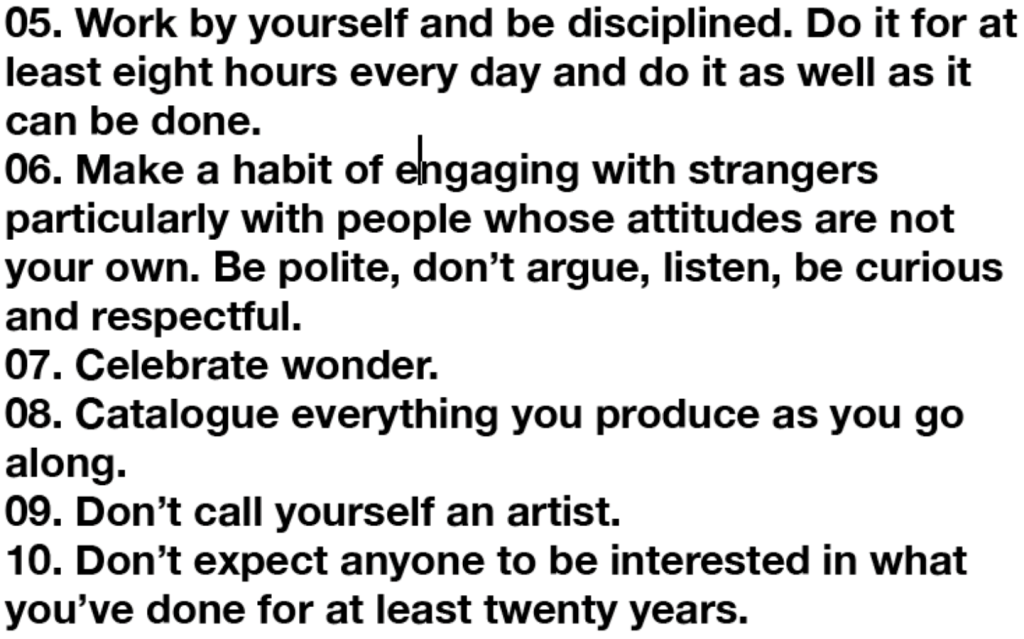
Daniel Meadows has a good set of rules which I think are very helpful.

So getting back to my methodology. I will continue to photograph found/reportage/candid images and alongside that as planned I am starting to formulate the ideas around some set up environmental portraits, some influenced by the candid images much like Chris Coekins set up images but in my case it will be less about recreating them as he did and more about using them to influence a portrait with some elements included.In doing this I will be giving my interpretation of how I see the subject.

The next time I plan to go is this weekend where I will continue to meet new people and also speak to the people I have already met and start arranging times to sit down and talk to them,record the conversation and get started on the portraits. Once I start this point I know it will encourage me to continue and the project will start to flow. My doubts I’m sure abated.

Coekin.C Knock three times 2006
Coekin.c Knock Three Times 2006

PHO 703 The Amazing Journey

The MA so far but especially this module as been a real interesting journey,both literally  and figuratively.

Following on from last module we experienced like a lot of the world a full on lockdown on movement due to the worldwide Covid 19 pandemic.It became a time of reflection for many,including myself and also a chance to look and change either by choice or necessity the way we look at the world around us and produce work.Our worlds became a little more localised and insular,I hope not for too long.

I started this module by cycling from my home in East London here in the UK to all the professional football stadiums in the Capital.Partly as an effort to get fit but also to explore my city in a way that is unlikely to be available to me in such a way again.The streets were all pretty much deserted of traffic and the weather was unusually warm.

By setting out with little intention other than to reach my end point I started to explore the notion of the Flaneur and Psychogeography.Both ideas although similar are areas I intend to explore further.

PSYCHOGEOGRAPHY

Psychogeography was defined in 1955 by Guy Debord as “the study of the precise laws and specific effects of the geographical environment, consciously organised or not, on the emotions and behaviour of individuals”.

It’s a method of exploring cities or urban spaces deeply linked to the Dadaist and Surrealist movements it employs a method of drifting or the Derive a term coined by Ivan Chtcheglov close to the idea of the Flaneur but without the elitist connotations.The idea was to allow the space to guide you instinctively,to take you off the beaten track,to make you aware of the urban landscape,to really look and feel.

Situationist International was the group most associated with the idea and was made up of several theorists and artists who amongst many things (usually whilst drunk) redesigned maps of Paris and other cities by cutting them up and reconstructing them the main premise being to free up the city from any constraints,to seperate the traditional Euclidean values in architecture to help separate art from its surroundings.There was to be no no-go areas.

In modern times many writers have used this method as a means to write about cities,Will Self, Peter Ackroyd in his wonderful book London The Biography and Ian Sinclair.They all adopt a very non linear approach influenced by Psychogeography.

Unconsciously I have for a couple of decades followed this method of “derive” or (drifting) through cities whilst on assignment.I have produced travelogues of 45 cities in this way without realising it was a recognised method of working.Turning right out the hotel one day and left the next,allowing the city to take me deep within to quote DEbord in his book.

“In a “dérive” one or more persons during a certain period drop their usual motives for movement and action, their relations, their work and leisure activities, and let themselves be drawn by the attractions of the terrain and the encounters they find there… But the dérive includes both this letting go and its necessary contradiction: the domination of psychogeographical variations by the knowledge and calculation of their possibilities.”

Going back to my own experience with the cycling I used some of these principles by allowing my self a general direction to head towards, i.e. my end point but also not following the strict rules of my GPS map, so allowing myself to be drawn towards places newly discovered to me in a City I thought I knew well.For example in looking for the Woolwich Ferry to cross the Thames I took a slight deviation for no other reason but to look and discovered a foot tunnel under the river I didn’t even know exsisted,which I subsequently used.As a result I engaged in conversations with people I would not have done and saw things that have inspired and informed new ideas to perpetuate the photographic journey forward.Of course it also was very cathartic and gave me space to really look and think .

By using this method I also invariably arrived at my destination from a totally different approach than I would have done by following the recommended rules,the back end,the none shiny part that football fans rarely see.Overgrown and unkempt,like the back end of nightclubs and hotels.Glamourous on the outside with inner works that are functional and sometimes neglected.

Added to this the quiet,in the deserted surrounding streets they became monoliths in a dystopian landscape almost like abandoned places of worship or abandoned gladiatorial stadia of an ancient time past .When usually they would be surrounded by the hustle and bustle of match day,the traders selling the religious trinkets in the form of scarves and badges,programme sellers pamphleteering the words of the god like heroes about to do battle,the local shops selling fast food and ales…not much changes.

The resulting photographs shot on my iphone were then published on Instagram as a series with a commentary written as a “Stream of consciousness” to quote Alexander Bain “to depict the multitudinous thoughts and feelings which pass through the mind”.I think it suits the method of working I adopted for this project.

I produced a dummy fanzine as a prototype to get printed at a later date and to also gauge feedback from my peers,tutors and friends,the result being overwhelmingly positive,attention being payed to the method of capture on my Iphone in particular and the idea in general.

FOOTBALL AND COMMUNITY.

Visiting the Stadia in such circumstances it struck me how all of them are or perhaps would have been in the past such a large part of how the surrounding communities developed both physically and figuratively.Often starting out as patches of grass played on by  men predominantly made up of teams formed through local industries and factories,it was a very grass roots,working class pass time a way of bonding outside of work in close knit communities that worked,lived,played and holidayed together,annual works holidays where the whole place shut for a week was common place from the years after WW1,a time when after nearly a century of the industrial revolution the rights of workers were slowly being formed.

It’s interesting to see today that many of the stadia have been built up from a patch of grass to a few seats to huge grandstands and arena landlocked by houses peaking through rooftops as gentrification and popularity gained.

It’s been mentioned on more than one occasion by peers and tutors that my work as a nostalgic feel to it. Initially I was appalled at the notion,I see my self as progressive,influenced by the past not nostalgic in the normal sense of the word.I needed to explore further the notion of Nostalgia in the wider context of photography and art.

NOSTALGIA.

An affectionate feeling you have for the past, especially for a particularly happy time.

nostalgia in British English

(nɒˈstældʒə  -dʒɪə)

NOUN

1. 

yearning for the return of past circumstances, events, etc

2. 

the evocation of this emotion, as in a book, film, etc

3. 

 longing for home or family; homesickness


Nostalgia beyond the noun as described above as always been present,we can cherry pick the good parts of the past but cannot truly predict the future.More so than ever though we seem to be at a point in time where looking back is more popular than ever. Partly due to easy access via social media and also a trend in repurposing and buying up old photography collections but why is the trend so prevalent.

Knowing history is important in informing the present and future however again through social media more now than ever we are all able to invent or reinvent our own nostalgic version and this can be a problem.

Or as Karl Marx said “History does nothing, it ‘possesses no immense wealth’, it ‘wages no battles’. It is man, real, living man who does all that, who possesses and fights; ‘history’ is not, as it were, a person apart, using man as a means to achieve its own aims; history is nothing but the activity of man pursuing his aims..

“History is the version of past events that people have decided to agree upon.” – Napoleon Bonaparte

Photography as often been used to prove the truth of a matter.However with careful use of filters,editing and curating it can be used to recreate a false sense of Nostalgia and truth.

It’s true my images do have a “look” about them(i’m of a generation of film users and often process with a analogue look in mind) and I am interested in the history of the subject matters but I’m only interested in that as a means to explore how they play their part at present and also the future.

Nostalgia as been used by people in power to influence us numerous times over the centuries,often in times of uncertainty when we may be yearning for what we see as better times (again a picture painted selectively).

Nostalgia is used to sell ideas and products from Brexit,fashion and music to crisps and beer,take for example Tyrells crisps or back in the 80s Courage Best Bitter,adverts adorned with images from the good old days with proper pubs and a proper knees up where you could leave your door open and no one would rob you,(as the popular saying goes because nobody had enough to rob).These are idealistic stereotypes around nostalgia designed to make you relate the products to a better time,a more trusting time,a product or idea you can trust.

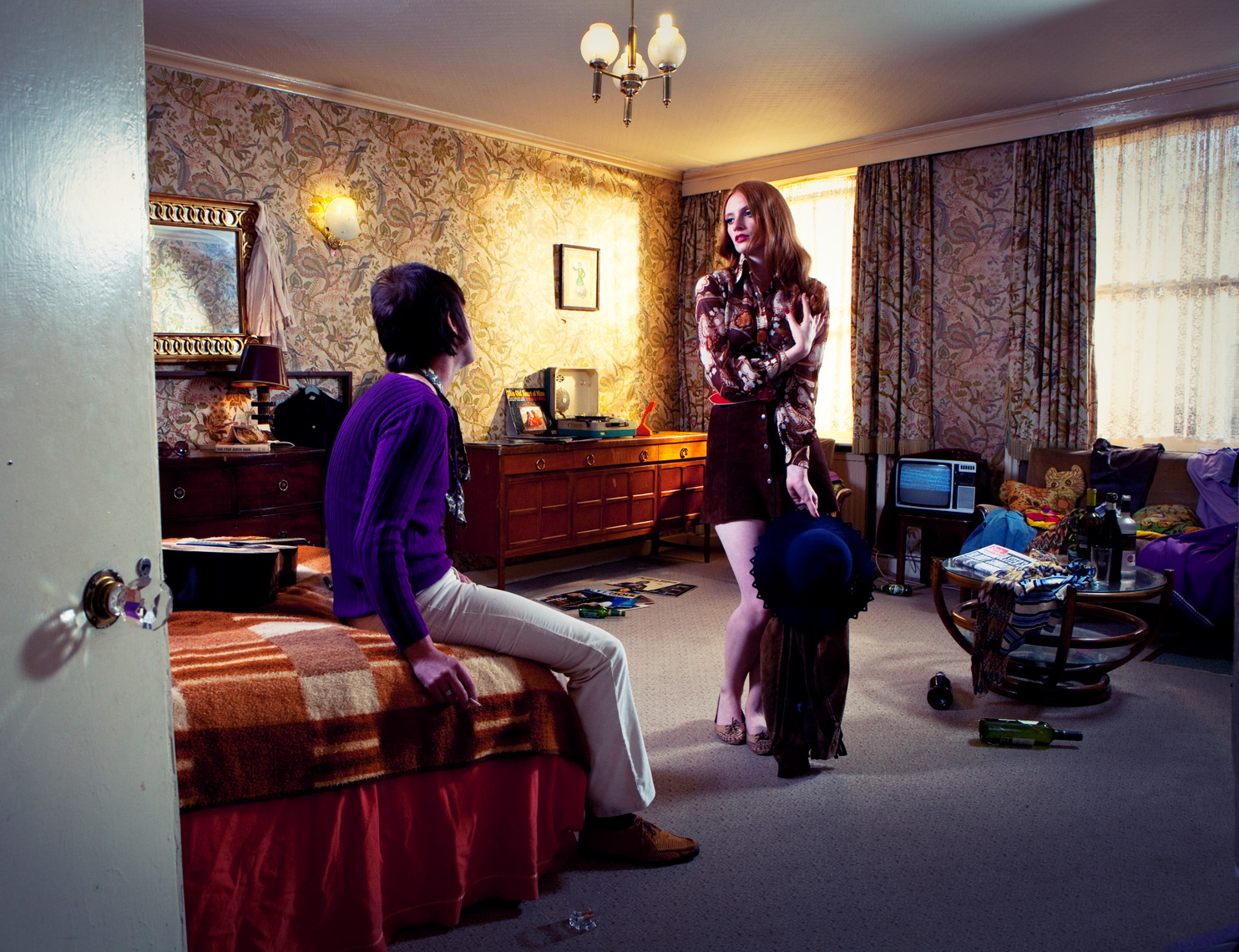
I’m a big fan of music that originated in the underground clubs of London in the 1960s but this was not the Swinging 60s which we are told so much about,did it really exsist,the same old photographs from the time are often trotted out,in reality though that was the life of a few wealthy London Elite,not the norm for most.Yet from the select photographs we see you’d imagine everyone spent all their time in and out of Carnaby Street boutiques rather than the daily routines of work and surviving,which was the norm for the vast population.

More recently of course and perhaps more dangerously we have politicians of many countries including our own in the UK convincing us of a better time when we were able to “go it alone” and  “lead the world” all be it as an imperialist colonising force playing on the nostalgia of the 50s and 60s .When we still had an Empire and everything was better and Britannia ruled the waves.Pure Nostalgia cherry picking the myths around immigration and equality.You can see the links to a form of romantic nostalgic  via the advertising being aired at the moment with pictures of busy fishermen and happy workers,elderly couples enjoying their retirement in the English countryside.It may be true for some but it cannot be denied it is a rose tinted view of the world .


EXPERIMENTATION AND NON LENS BASED IMAGERY

This module we have been encouraged to work with mediums we would not usually use,to experiment more and explore re-photography,Cyanotypes and other non lens based photography.

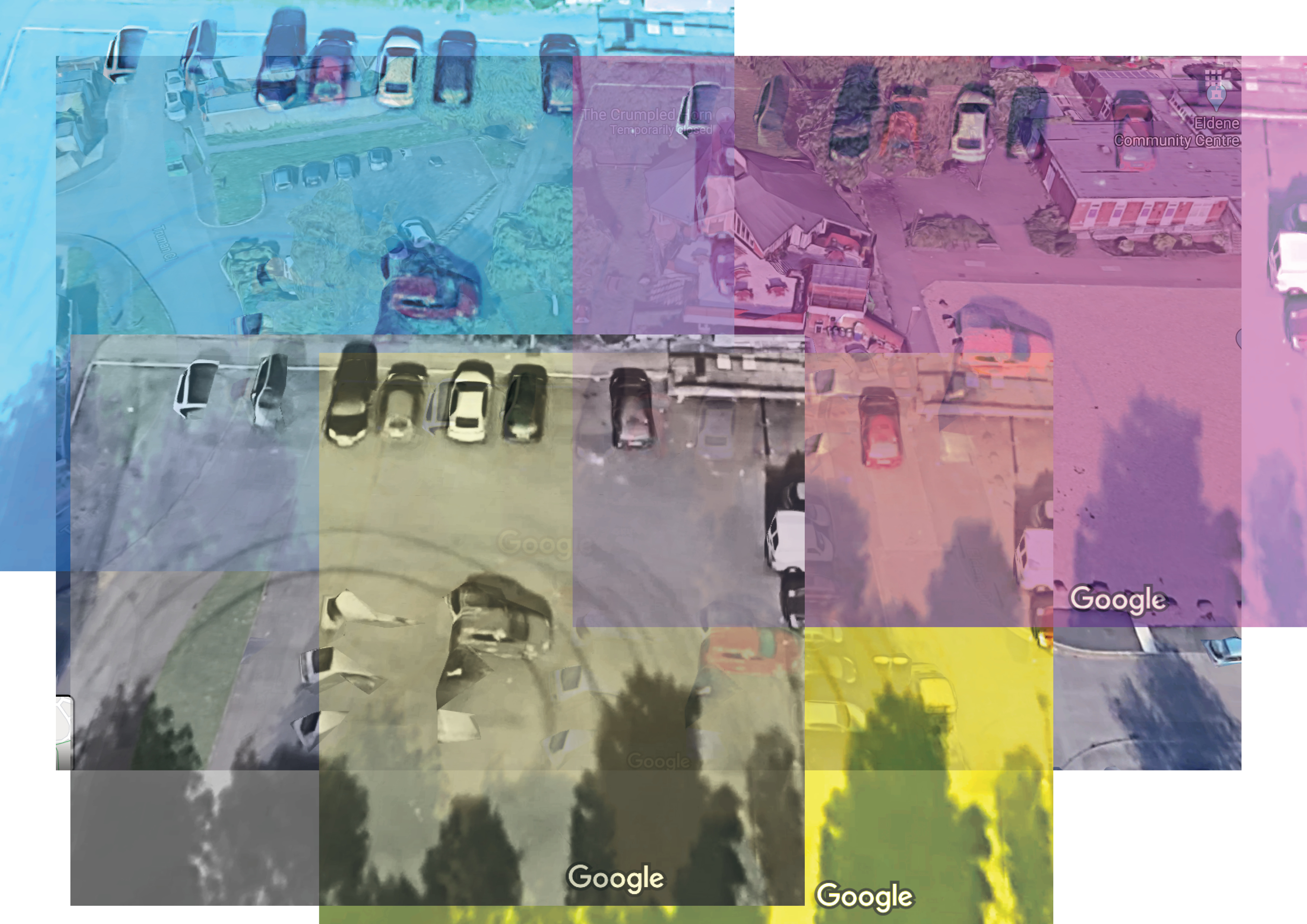
I’ve not always been comfortable with these methods and did not initially embrace or relish the ideas. I experimented with Googlemaps/earth ,initially similar to Arron Hobson who started out exploring  for potential film locations I used it as a means to recce potential sites to photograph as my project moved into locating estate pubs.

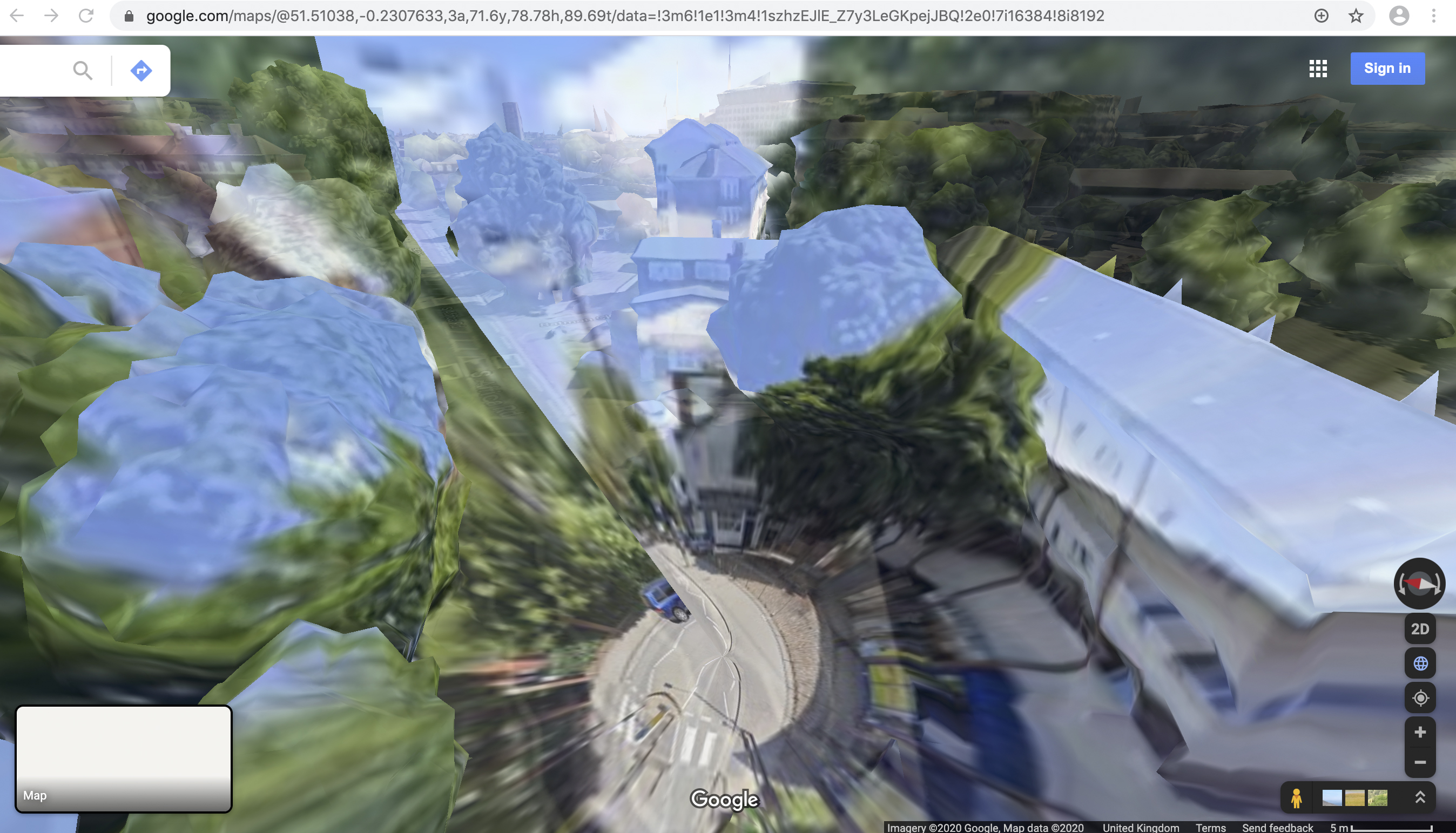
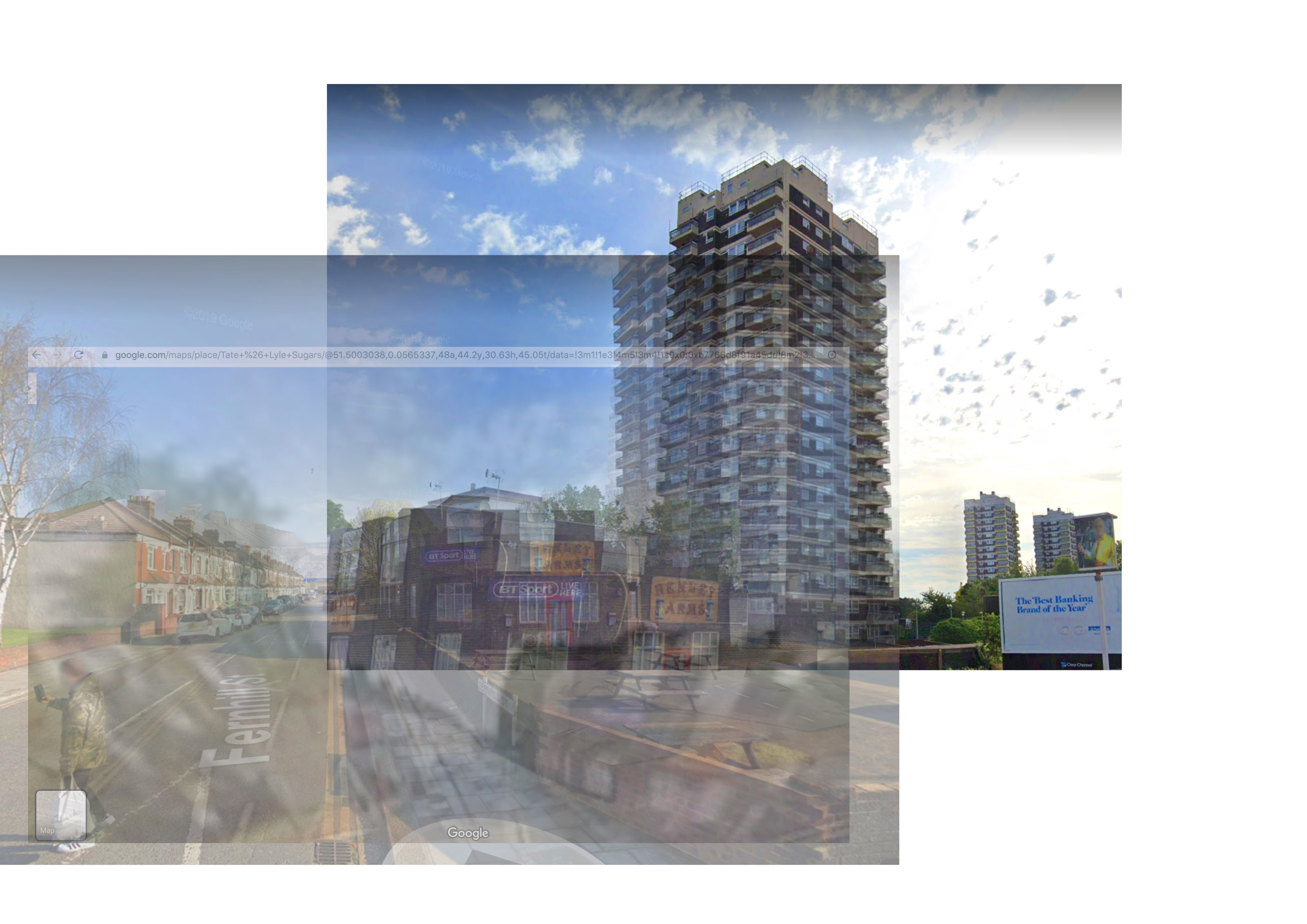
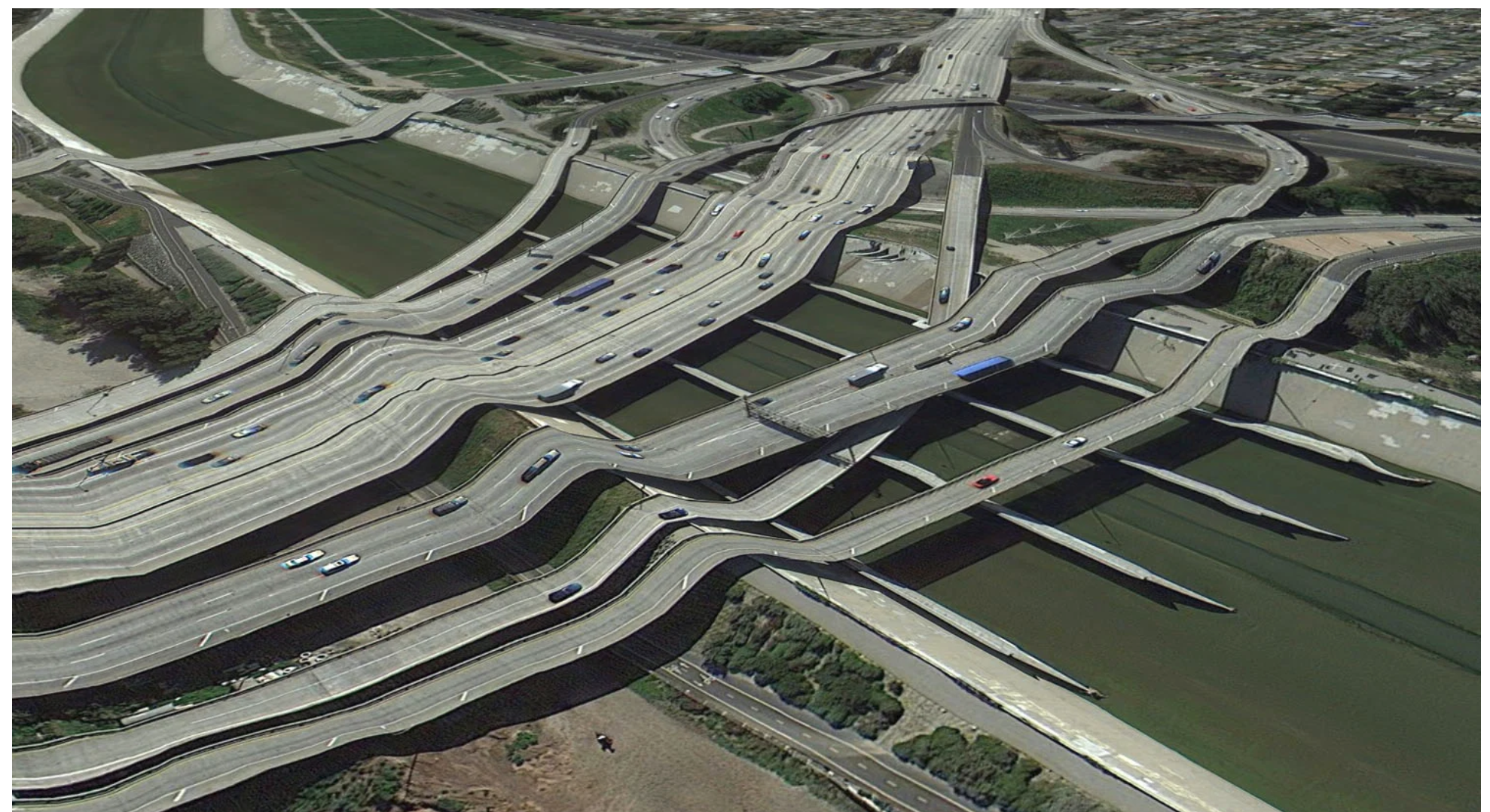
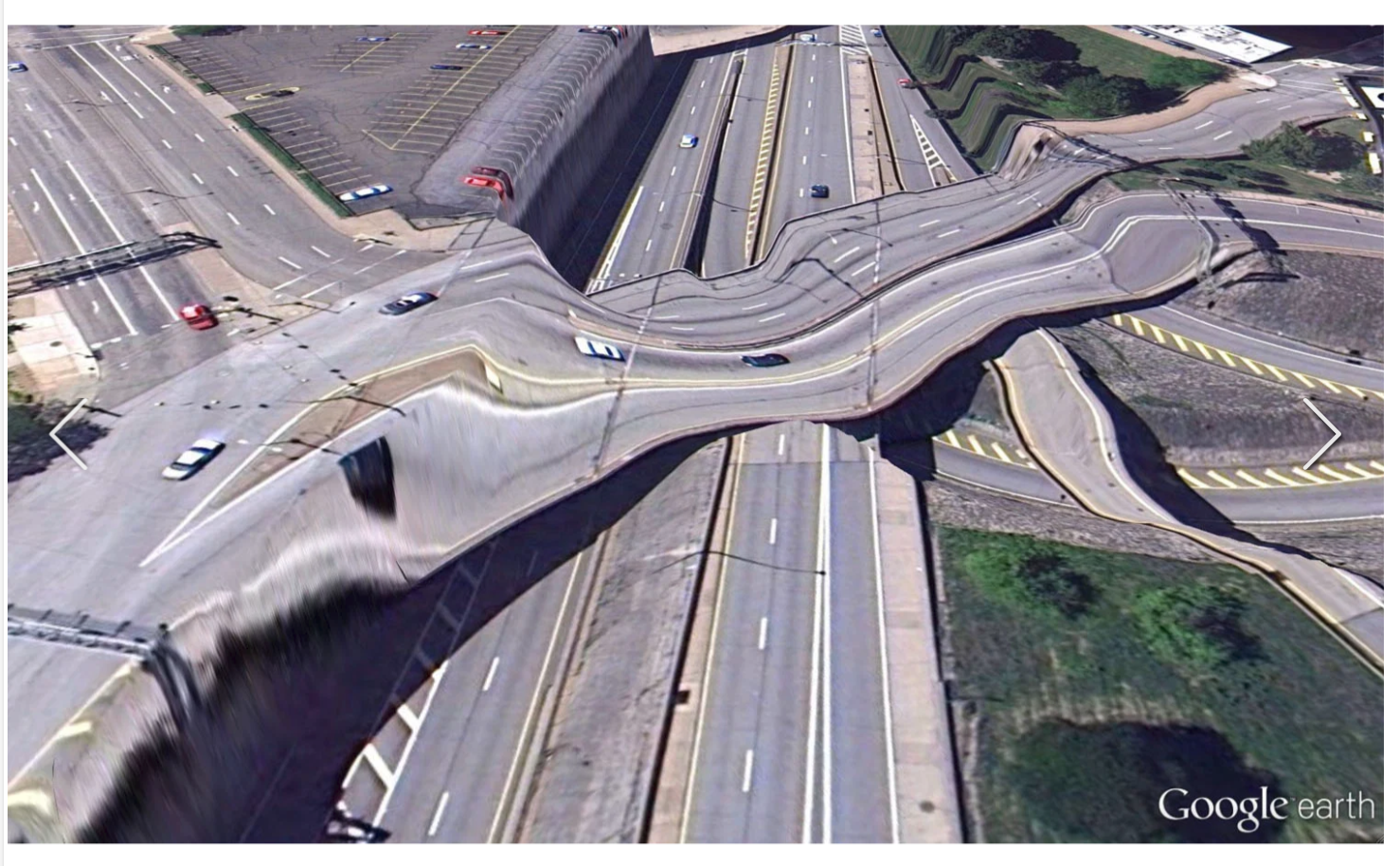
Influenced by the likes of Doug Rickard in his work New American Picture which captures moments in time and in particular Clement Valla who’s work Postcards from Google Earth examines how the 3D interpretations  of bridges and rivers are stretched  and altered to fit the 3D effect of the earth, I actually found I really enjoyed its potential and started to investigate the way google earth plays with time.

By switching from one mode to another say from 3D to streetmap there is a sweet spot that magically within certain elements appear and from nowhere a cyclist or petrolheads making donuts in a car park appear then just as quickly disappear with no trace but the skid marks they leave behind frozen in time.I do not pretend to understand the technology but because Google maps is made up of lots of clips and images time is often out of sync when it comes to constructing the final product,if you search closely you can discover all sorts of moments frozen in time or buildings thrown out of shape only to snap back to normal.This “playing with time ” is the interesting element and something we discussed in a previous module.

untitled 1Untitled-6Untitled-5Screenshot 2020-08-08 at 11.51.09Screenshot 2020-08-08 at 12.03.25

We discussed the idea of Trace in photography and how an image is a snapshot of time and how a photograph or print takes on a life of its own outside of the subject matter.

This taken directly from Susan Sontags On Photography explains ….

“Such images are indeed able to usurp reality because first of all a photograph is not only an image ( as a painting is an image),an interpretation of the real,it is also a trace,something directly stencilled of the real, like a footprint or a  death mask.Whilst painting even one that meets photographic standards of resemblance,is never more  than the stating of an interpretation, a photograph is never less than the registering of an emanation – a material vestige  of its subject in a way a painting can be.

I found this article below fascinating and have since explored further the works of some of those mentioned.I particulary like the work of George Georgiou and Mishka Henner.

https://time.com/55683/street-view-and-beyond-googles-influence-on-photography/

Cycling whilst using  Psychogeography as one method of working led me onto other ideas around community.I came across housing estate pubs and whilst a bit young I related it to the types of communities I grew up in and how important the pub as been to communities both urban and rural,for centuries the meeting point for social events and business.

Post WW2 in the UK following years of destruction from the war new large scale housing project was implemented .Estates known now as social housing now but more commonly then as council estates were built with the planners and governments vision of a utopian better world.

Along with better rights for workers the NHS and the start of the welfare state many many families previously living in squalid conditions often in slum housing with extortionate rents and exploitative landlords were able to rent great, well built houses with the best facilities both inside (running water,good heating,inside bathrooms etc) and out,big gardens ,nearby shops,doctors,schools work and places to worship and socialise.

One such place was the estate pub,which acted as  a real hub of the community for some. Now many like the estates themselves,mismanaged and sold off do not exist and among the few that do there are even less that have not fallen into disrepair and bad reputation,a far cry from the original purpose. I photographed some and am really pleased with them as photographs but they failed to say what I really wanted and whilst I grew up around them could not truthfully relate my own story to the idea.I had to reassess.

Moving on a little further ,whilst looking at the idea of repurposing photography for our course work I have been re investigating images my dad has of his parents and family including himself.His was not an easy upbringing,although on his mother side they were not poor his mother died when he was young leaving his father to look after him.Who shipped him off to an uncle at 15 to work.I did meet my grandad many times and now in retrospect I get the impression he was not very paternal.

I’m still in the early days of investigating but it made me question my sometimes tense relationship with my own dad and that of myself and my children,my son in particular with which I have a very good relationship.

I’m keen to explore this notion further alongside this whole area around community  and circumstance.So for the final part of this modules journey I have been re purposing old photographs of my father ,his parents and in particular his dad with the images of the estate pubs,this personalisation is bringing the idea to life and as help form the body of work into a coherent journey that I will present as my WIPP.

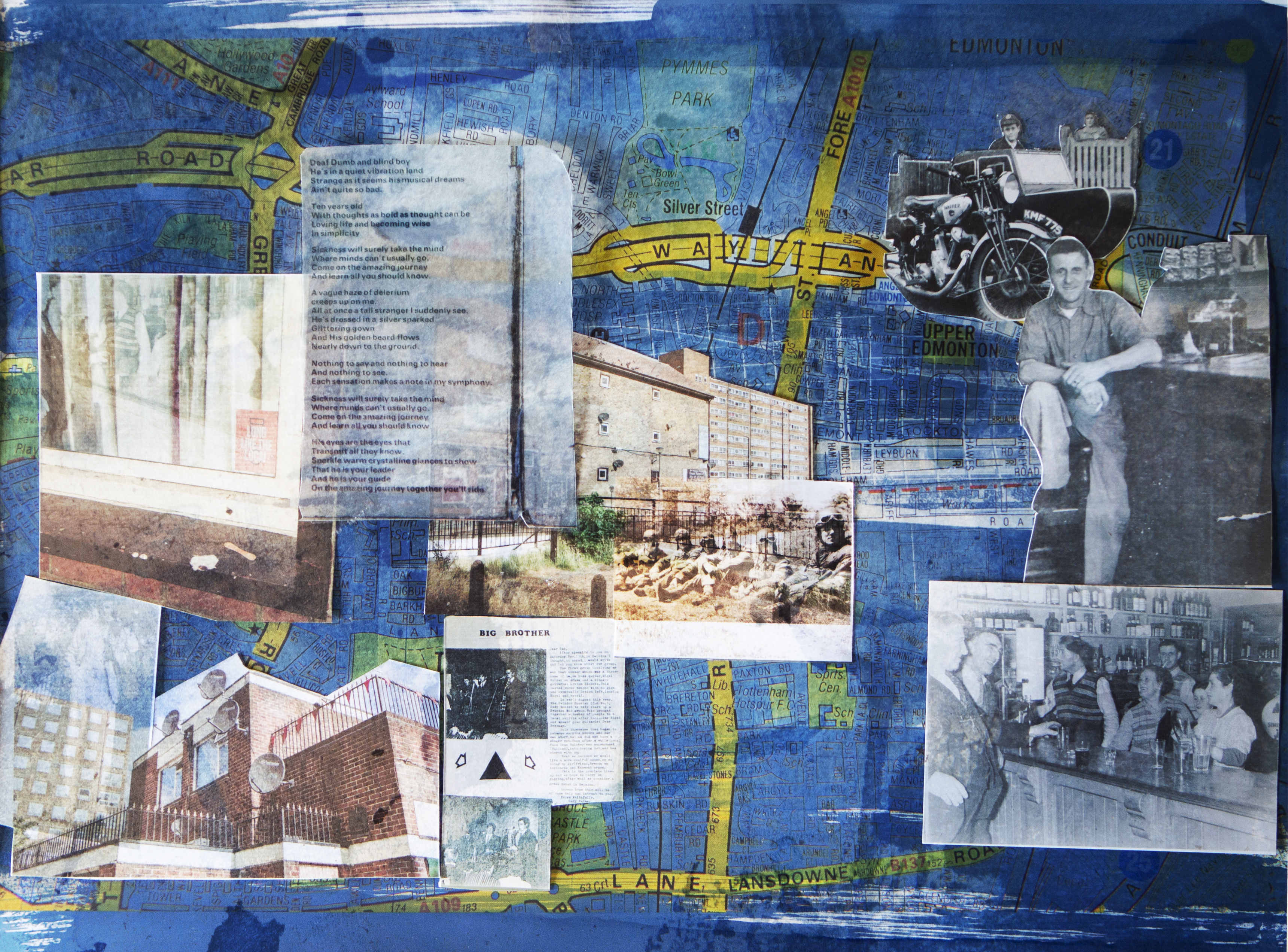
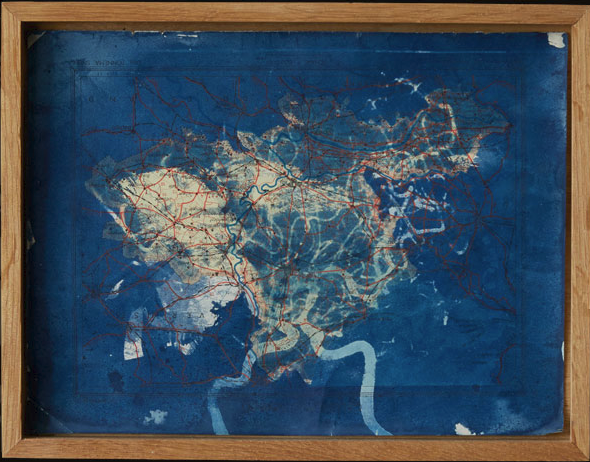
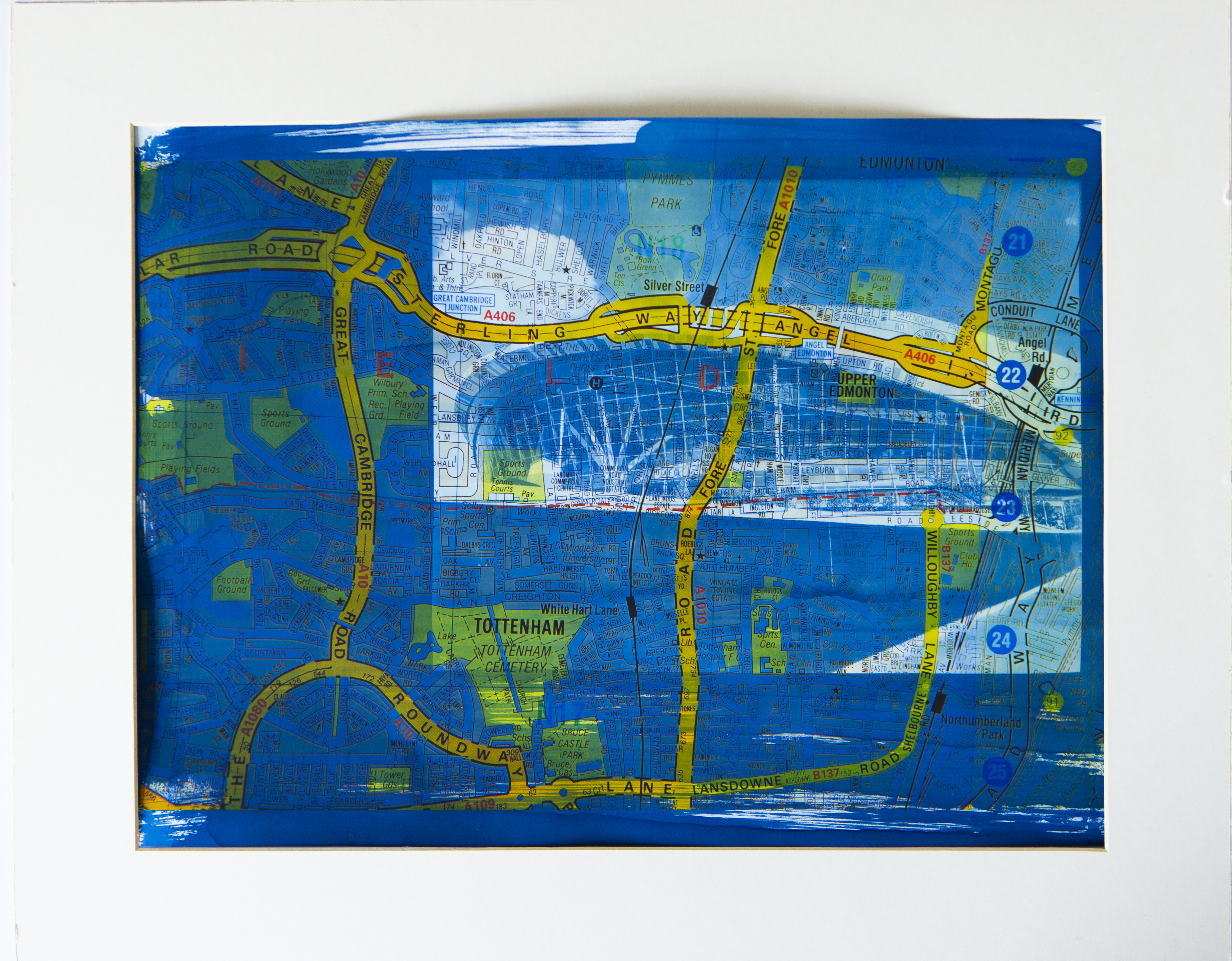
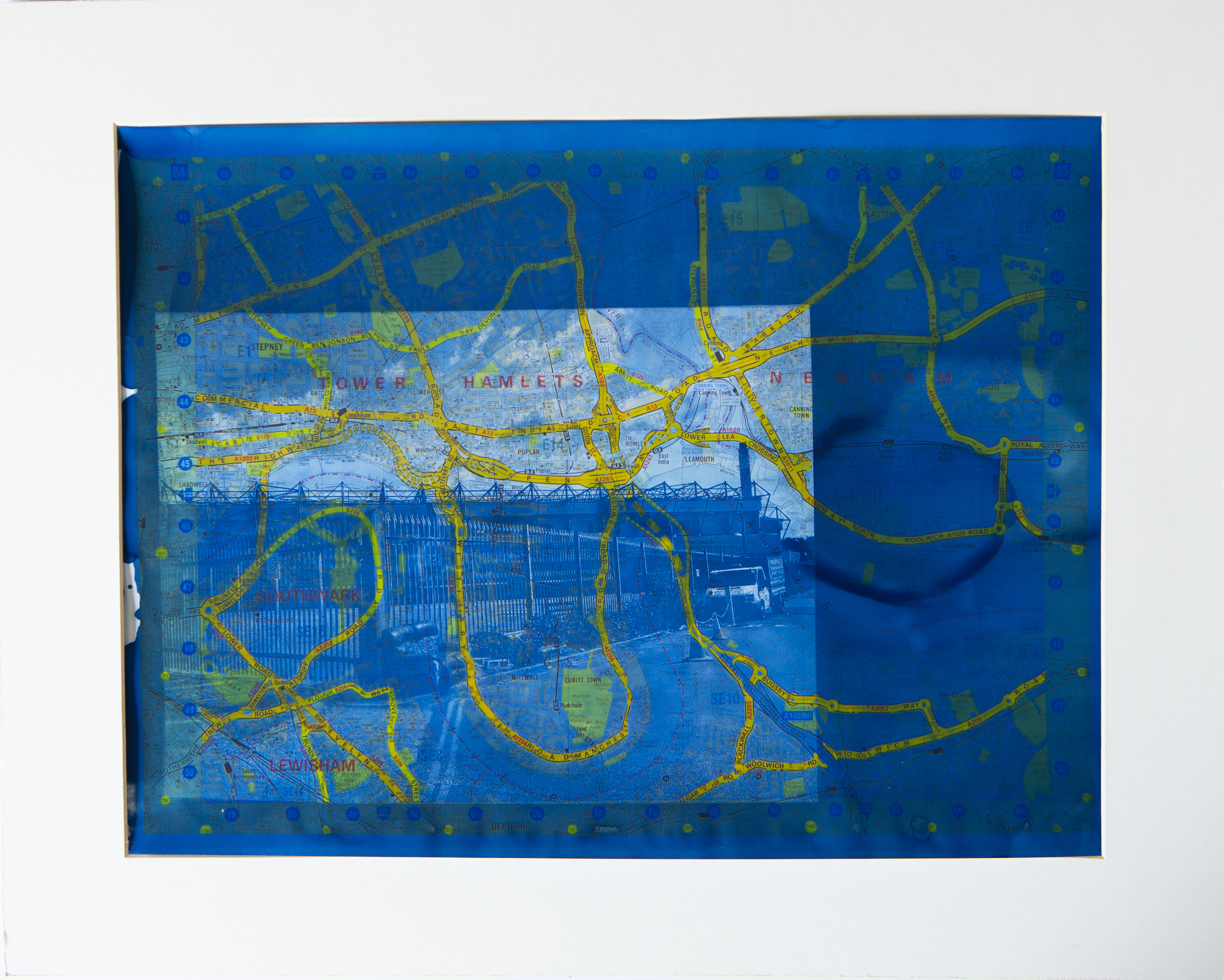
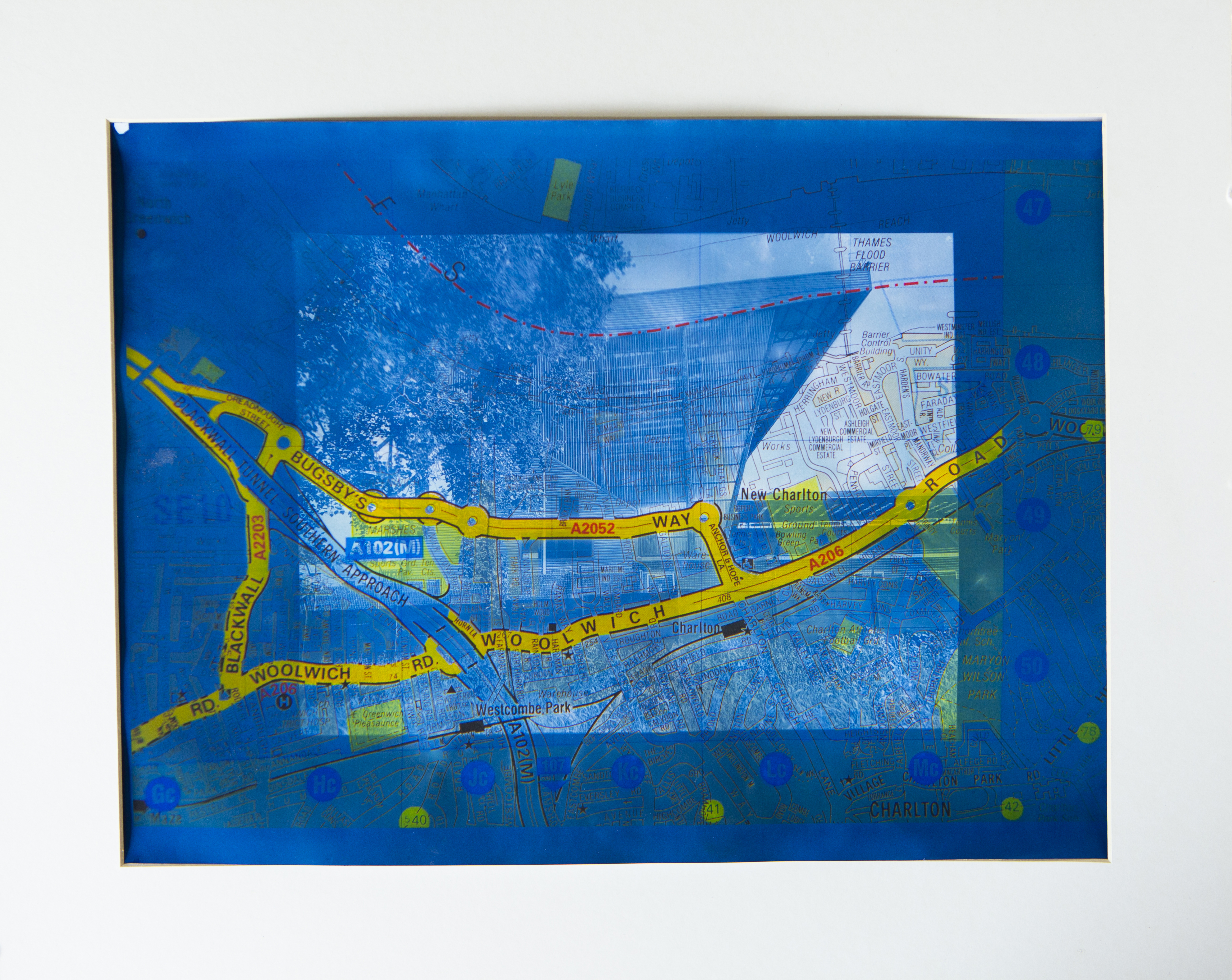
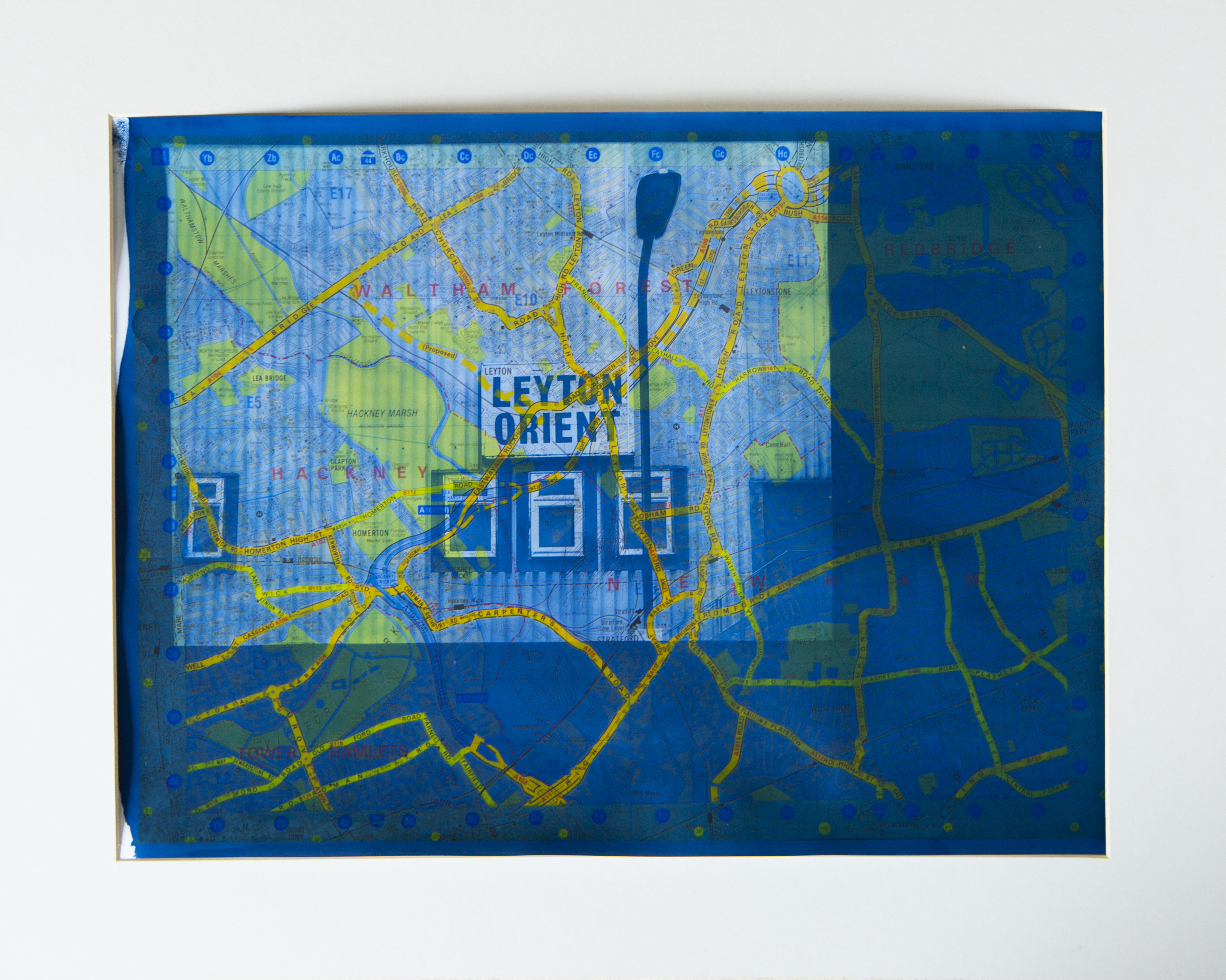
Simultaneously I am continuing to experiment with ideas around non lens. based photography (with differing degrees of success).Combining the ideas of Psychogeography with the use of maps,Cyanotype and cut ups/montage. Heavily influenced by Temporary Hoarding Magazine,the mouthpiece of Rock Against Racism from the days before Social Media,Rodchenko and his powerful Soviet era collages,Dziga Vertov and his Montage style in films such as the ground breaking Man with a Movie Camera and the use of books and pamphlets to get the ideas across.(Perhaps in itself a little nostalgic)

_D8A0767 copy

Heavily influenced by Barnaby Irish work Motivations. He wrote about the idea in the Essay Filaments and Knots The repeating Structure of Connections.I set about exploring my own experiences around my own connections.I experimented with his technique using maps and my work around football grounds and the journeys I took,the thoughts and ideas it evoked eventually using found imagery of myself,dad and grandad utilising the maps as a visual aid to that connection.

Screenshot 2020-08-10 at 20.31.05

_D8A0732_D8A0724_D8A0720_D8A0716


WIP


This is a link to a physical version of my Work in Progress in dummy book form. I particularly enjoyed this process of making,combining cyanotypes,montage Japanese stitching and the use of semi transparent overlays .


I now have a clear picture of how I will move on with this idea to my FMP.I intend to take some elements of the techniques used and explore further the use of oral history,re use of old imagery and moving image as projections. I like the idea of exploring the subject of nostalgia and the prevalence of its use in persuasion.

I am in contact with two local Working Mens Clubs and will be documenting the people,events and place over the next few months.I intend to interview informally as I assimilate into the group and relate these experiences to my own and my families.

I want to explore how these places fit within contemporary society now that there are so many alternative ways to be entertained and socialise,how as it affected community as a concept politically and culturally.

I’ll be exploring gender politics,racism,gentrification and the demise of the working class.

My Grandad was a steward of Working Mens Clubs and my dad was and still is an avid member. On my 18th birthday as tradition would have it I was bought membership (bearing in mind there would have been a long waiting list),I never ever used it.To me these places were of the past and of no interest to me. I’m older now and want to understand more.Maybe I have more in common with my past than I think.

References

A Q&A with… Laura Oldfield Ford, Artist and Urban Explorer – a-n The Artists Information Company. https://www.a-n.co.uk/news/a-qa-with-laura-oldfield-ford-artist-and-urban-explorer/. Accessed 12 Aug. 2020.
Archives and Collections | Oral History Society. https://www.ohs.org.uk/advice/archives-and-collections/. Accessed 13 Aug. 2020.
Barnaby Irish – 22 Artworks, Bio & Shows on Artsy. https://www.artsy.net/artist/barnaby-irish. Accessed 3 Aug. 2020.
Cherrington, Ruth. Not Just Beer and Bingo! A Social History of Working Men’s Clubs. AuthorHouse, 2012.
Coverley, Merlin. Psychogeography. 23rd ed., No Exit Press, 2018.
Détournement | Remixthebook. http://www.remixthebook.com/the-course/detournement-2. Accessed 2 Aug. 2020.
‘Estate Pubs’. London Pubology, 22 June 2008, https://pubology.wordpress.com/2008/06/22/estate-pubs/.
Gottschalk, Molly. ‘This Agoraphobic Photographer Uses Google Street View to Travel the World’. Artsy, 18 Apr. 2017, https://www.artsy.net/article/artsy-editorial-agoraphobic-photographer-google-street-view-travel.
Goulstone, John. ‘The Working‐class Origins of Modern Football’. The International Journal of the History of Sport, vol. 17, no. 1, Mar. 2000, pp. 135–43. Taylor and Francis+NEJM, doi:10.1080/09523360008714117.
‘How To Make Cyanotypes’. Parallax Photographic Coop, 24 May 2020, https://parallaxphotographic.coop/how-to-make-cyanotypes/.
Moakley, Paul. ‘Street View and Beyond: Google’s Influence on Photography’. Time, https://time.com/55683/street-view-and-beyond-googles-influence-on-photography/. Accessed 1 Aug. 2020.
Nostalgia and the Collapse of Imagination. https://petapixel.com/2015/09/10/nostalgia-collapse-imagination/#:~:text=Photography%20emphasizes%20nostalgia%20to%20visualize,brain%20that%20forms%20autobiographical%20memories. Accessed 16 Aug. 2020.
Rose, Jonathan. The Intellectual Life of the British Working Classes. 2nd ed, Yale University Press, 2010.
‘Stream of Consciousness’. Wikipedia, 4 June 2020. Wikipedia, https://en.wikipedia.org/w/index.php?title=Stream_of_consciousness&oldid=960735331.
The Story : Thamesmead. https://www.thamesmeadnow.org.uk/the-story/. Accessed 15 Aug. 2020.
‘’Traces and Pictures’’. David Campany, 28 Sept. 2011, https://davidcampany.com/traces-and-pictures/.
Wagner, Karin. ‘Nostalgic Photographs in the Contemporary Image Ecology: The Example of Tyrrells Crisp Packaging’. Journal of Aesthetics & Culture, vol. 10, no. 1, Jan. 2018, p. 1421375. Taylor and Francis+NEJM, doi:10.1080/20004214.2017.1421375.


References

A Q&A with… Laura Oldfield Ford, Artist and Urban Explorer – a-n The Artists Information Company. https://www.a-n.co.uk/news/a-qa-with-laura-oldfield-ford-artist-and-urban-explorer/. Accessed 12 Aug. 2020.
Archives and Collections | Oral History Society. https://www.ohs.org.uk/advice/archives-and-collections/. Accessed 13 Aug. 2020.
Barnaby Irish – 22 Artworks, Bio & Shows on Artsy. https://www.artsy.net/artist/barnaby-irish. Accessed 3 Aug. 2020.
Cherrington, Ruth. Not Just Beer and Bingo! A Social History of Working Men’s Clubs. AuthorHouse, 2012.
Coverley, Merlin. Psychogeography. 23rd ed., No Exit Press, 2018.
Détournement | Remixthebook. http://www.remixthebook.com/the-course/detournement-2. Accessed 2 Aug. 2020.
‘Estate Pubs’. London Pubology, 22 June 2008, https://pubology.wordpress.com/2008/06/22/estate-pubs/.
Gottschalk, Molly. ‘This Agoraphobic Photographer Uses Google Street View to Travel the World’. Artsy, 18 Apr. 2017, https://www.artsy.net/article/artsy-editorial-agoraphobic-photographer-google-street-view-travel.
Goulstone, John. ‘The Working‐class Origins of Modern Football’. The International Journal of the History of Sport, vol. 17, no. 1, Mar. 2000, pp. 135–43. Taylor and Francis+NEJM, doi:10.1080/09523360008714117.
‘How To Make Cyanotypes’. Parallax Photographic Coop, 24 May 2020, https://parallaxphotographic.coop/how-to-make-cyanotypes/.
Moakley, Paul. ‘Street View and Beyond: Google’s Influence on Photography’. Time, https://time.com/55683/street-view-and-beyond-googles-influence-on-photography/. Accessed 1 Aug. 2020.
Nostalgia and the Collapse of Imagination. https://petapixel.com/2015/09/10/nostalgia-collapse-imagination/#:~:text=Photography%20emphasizes%20nostalgia%20to%20visualize,brain%20that%20forms%20autobiographical%20memories. Accessed 16 Aug. 2020.
Rose, Jonathan. The Intellectual Life of the British Working Classes. 2nd ed, Yale University Press, 2010.
‘Stream of Consciousness’. Wikipedia, 4 June 2020. Wikipedia, https://en.wikipedia.org/w/index.php?title=Stream_of_consciousness&oldid=960735331.
The Story : Thamesmead. https://www.thamesmeadnow.org.uk/the-story/. Accessed 15 Aug. 2020.
‘’Traces and Pictures’’. David Campany, 28 Sept. 2011, https://davidcampany.com/traces-and-pictures/.
Wagner, Karin. ‘Nostalgic Photographs in the Contemporary Image Ecology: The Example of Tyrrells Crisp Packaging’. Journal of Aesthetics & Culture, vol. 10, no. 1, Jan. 2018, p. 1421375. Taylor and Francis+NEJM, doi:10.1080/20004214.2017.1421375.