I really enjoyed this project and am very much a fan of Ed’s use of different media and his approach to photography to record the banal,a skill I argue is not easy especially in making it valid and still interesting.Personally I have always been more fascinated by this approach and even before becoming aware of practitioners such as Ed have adopted many of the methods in my commercial and personal work including portraiture. By becoming aware of such photographers I only love it more and embrace the techniques and ways of seeing.So much so that during the break and again not as a direct result in order to get fitter I began cycling to all the professional football team’s stadium in London enabling me to shoot a series of images (in this case on my smart phone) resulting in photographs showing the usually busy streets surrounding them in their deserted and less glamourous glory,in doing so it raised a lot of questions around class,society and community and also in doing so helped formulate and influence another similar project that I will be researching for this module’s project around Estate Pubs.
Much as I want the final images to be correct and technically good that does not mean to me anything more than how I see them as correct,I have no interest in the latest gadgets other than how they can make things easier to achieve the end result which I think is one thing I can really ally myself with Ed Ruscha’s sentiment and approach.
I’m sure it is not really the case however when Ruscha states he is just recording the thing/subject because it is interesting,something I wonder is a means to provoke response such as that of Jeff Wall in the short film we watched,where he imply’s Ruscha is an idiot and that Ruscha only talks this way in order only to provoke a reaction.I must say I do wonder if the latter is correct.There is a message there if only to ask the viewer to look.
Getting back to the excersise, I decided to take a project that I shot in 2016 exploring how we consume music these days compared to the past,it’s a project I have shown as a small exhibition,had published and talked about on the radio but really not taken any further despite book publishing discussions which kind of fizzled out.I thought it was the perfect project to emulate Ruschas Sunset Strip,Records and 26 Gasoline books,firstly because of the repetition of subject matter but also the fold out seemed the perfect format as it’s also a format used in the packaging and design of Vinyl record art work,this one being heavily influenced by one of my favourite albums by the Small Faces Ogdens Nut Gone Flake,originally sold as a fold out contained in a round package to imitate the tobacco tin it’s named after. Whilst I was not able to get it made as a final object beautifully die cut and printed I made a simple mock up using very Blue Peter techniques,sticky tape and cardboard boxes,please excuse the crude approach but I think and hope you get the idea.
As part of my project I am going to realise a longtime fascination with sound and plan to use sound and projection as part of it.As such I have been making recordings of the road.I see it as part of the aural interest alongside the images of car less roads. It creates a rhythm and ambient layer to the visual texture of the images.It’s still a work in progress and I’m still experimenting with how I will use it. I like the idea of rhythm so may play with the speed and tone to create a kind of music focusing on the beat and rhythm incorporated with repetitive conversation or aural history collected from the people I may meet in the next phase as I meet more people in my pursuit of what makes community.
As it stands at the moment I thought it might be useful to use what I have purely as a technical excersise by making a short film around the detritus I have been photographing when going on my daily walks during the Covid 19 lockdown.
I have been amazed at how communities have been communicating and opening up to each other with generous offerings of free toys,books,even Coca Cola cleared from over spilling bulging cupboards, alongside the carelessness of dumping PPE and the potential damage to wildlife and the environment.On one hand the kindness and beauty of human nature mixed with the selfish uncaring side of some, the sunshine, blossom and relative quietness does make for an interesting time of reflection.Short film below.
It’s time to re evaluate at my work so far,i’m enjoying how it is evolving as the process of looking and research goes on. From an idea based pretty much in a more an anthropology study, more of a document of the road as a thing it as (and as I hoped) evolved into a vehicle to explore several avenues, most importantly to me via Human Traces. I’m fascinated in human interaction and believe deep down in the human psyche.It is very easy to be cynical and subscribe to the notion of humans being quite selfish and the root of all problems and quite often the way societies are set up (usually to benefit a few) that can appear the case but deep down when all that is stripped away I believe and want to investigate further in the next module how this notion may not be entirely true.I want to look at the way community and humans deep down are a social animal who thrive in groups and not as individuals.I want to help dispel the myth that “there is no such thing as society” as Mrs Thatcher once said. This is my goal next module.
Meanwhile take a look at the work so far (in no particular order) plus a few that got away…
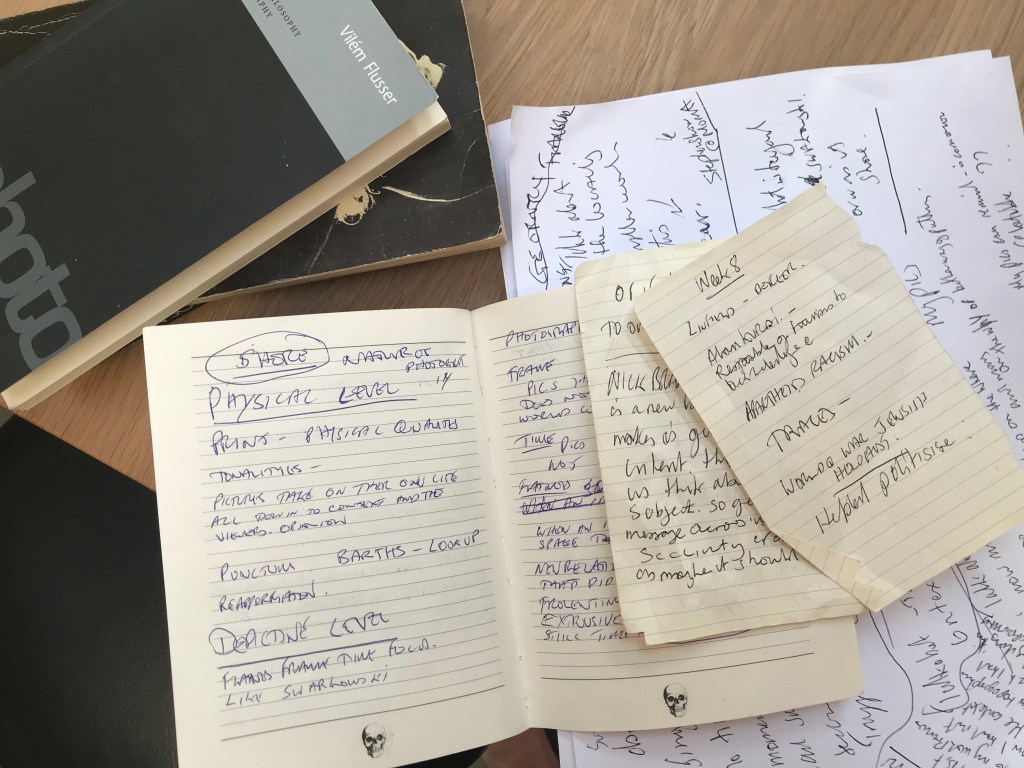
This week is assignment week ! I’ve weeks of notes to make sense of,and copy to my CRJ.It looks a bit muddled but it makes some sense to me.I’ve loved this module, it’s exactly what I thought doing an MA was going to be about. Time to write this lot up…note to self write up notes weekly !!
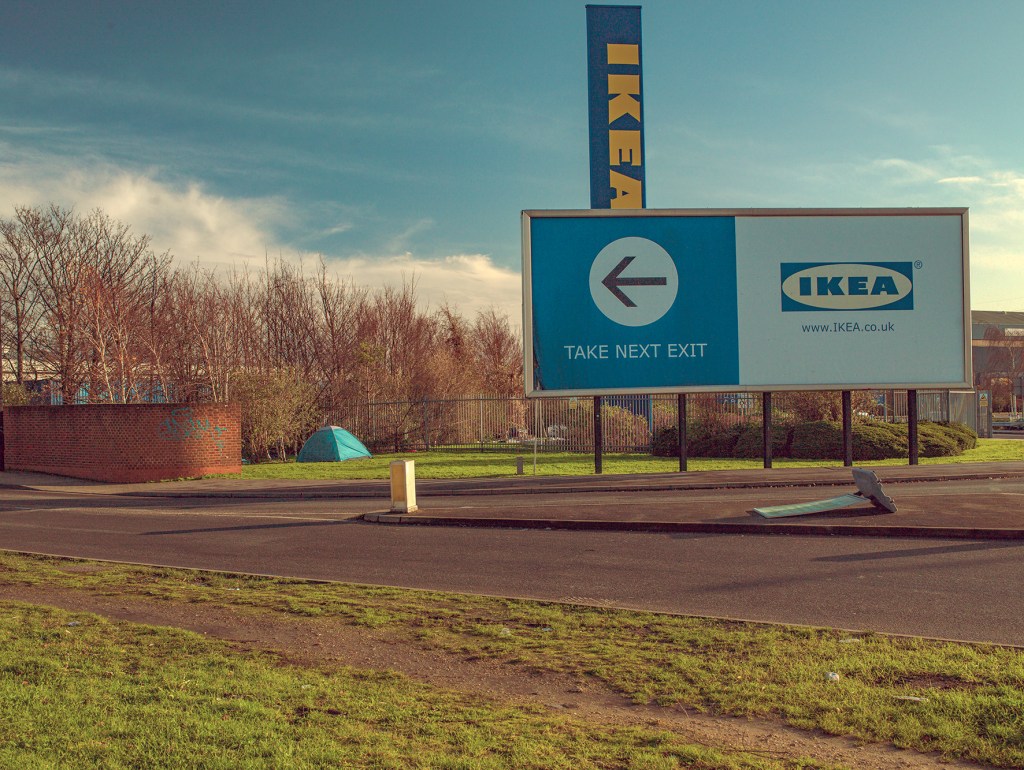
Today I came across a tent village close to the big Tesco and Ikea,so busy was it behind the fence with other dwellers there was one lone tent spilling over onto the verge.I’ve never seen it quite so full of tent’s. I couldn’t help wondering if he had been outcast or it was just too full behind the safety of the fence.
It put me in mind a tv show that was on when I was kid,a dystopian view of a world gone mad.With a hatred and mistrust of technology the world slowly becomes insular and territorial Check it out on you tube if you can, call The Changes https://youtu.be/zjVqHVo0nq0
I wrote this piece after Steph’s lecture but before I read Andy Grundberg’s piece in the New York Times.
However now I have read the task I think I have answered those questions below and have added reference to Grundberg where I see similarity in critique.
I too was one of millions who subscribed to National Geographic in the 90s. It’s funny because on reflection I think it was all part of a “package” of re education for me. Growing up we had no books in the house and I can never remember seeing newspaper or magazine other than the ones I brought home later as a teenager.My upbringing was not really a NG subscribing one.
When I started out on my career as a photographer I saw this self learning as essential and National Geographic became part of that. I learnt about stuff but like many photographers the images of most publications are the most important to me. I absolutely loved the aesthetic of the imagery and dreamt of being able to shoot similar.I still do love a lot of the images but quickly realised this was a definite National Geographic or as I thought then and now a very American (U.S.A) way of looking at the world aimed at a specific audience.
Quite idealistic, aspirational perhaps a little safe and unquestioning.Perhaps not wanting to upset its target audience.
As a cynical young Brit at the time who questions almost everything I quickly got this but continued to subscribe until I found I didn’t pick it up so often and barely read some issues. I guess that world view became one I didn’t subscribe to as my knowledge and visual language grew.
I also travelled to America a few times during that time and realised I’d been sold a bit of a pup.
Don’t get me wrong I love visiting the US but I realised National Geographic had sold me a beautiful slightly sanitised Kodachrome version a bit like the movies.
On a similar note I find it quite difficult to watch the Nat Geo TV channel, it always seems a little too much entertainment based, just not in depth enough on most subjects, kind of skims the surface.
In wielding this much power it is easy to see how come it’s influence on how many people believe and see the world according to the National Geographic.
I agree with Grundberg when he says little has changed since the magazine became more targeted at a mass market and Gilbert Grosvenor the editor in 1907 introduced a more visual, image led publication resulting since the 1950s in the almost trade mark national Geographic look without progressing much since.Whilst looking great it’s become a staid visual language that seems a little old fashioned.
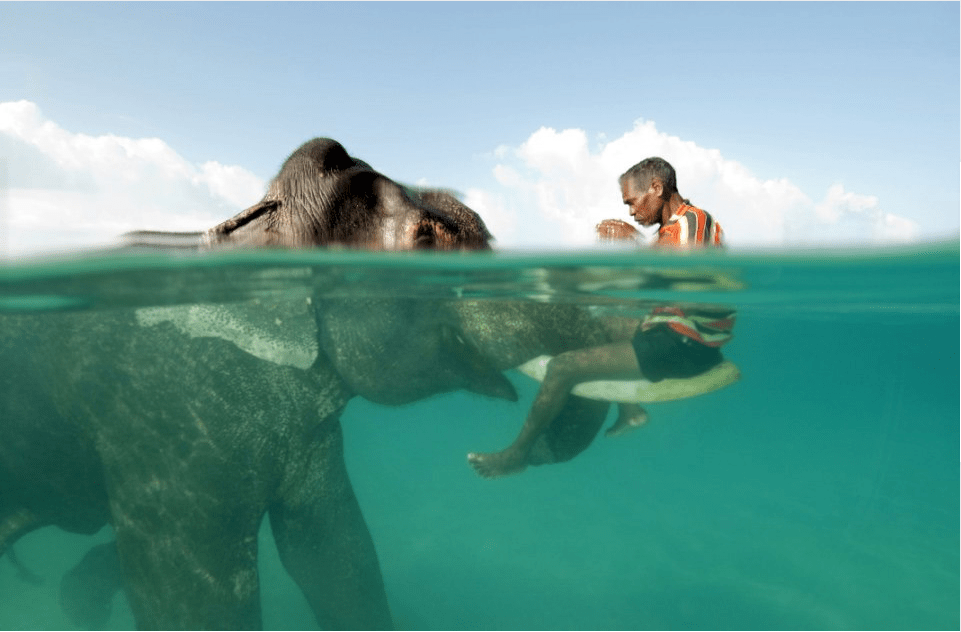
This image below is a good example of an idealised version of what we are meant to believed loving owner having fun with his dear pet elephant.I’m not going to say for fact that it is the case but my immediate thoughts are that it’s quite an unnatural position for an elephant to be in and reading further realise that the elephant is a retired logging elephant which most likely was beaten in order to work a very hard life for its owner, again there are of course arguments that the owner himself is put into an awkward position to save himself and his family from poverty so I make no judgement other than the one that National Geographic paints a picture of idyllic bliss which is probably unlikely to be true.
Image by Cesare Naldi
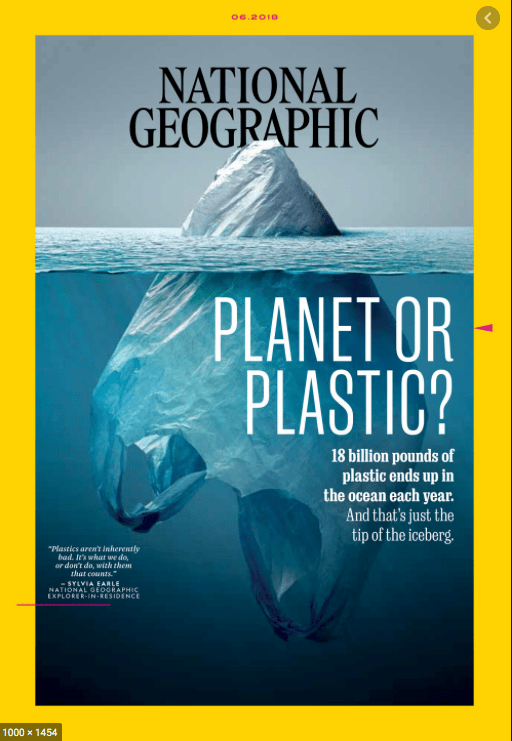
Where as this image below strikes a cord and appears to be more real, we all know that the vast majority of an iceberg is under water and that the plastic crisis is only the tip of the iceberg when it comes to matters of pollution, or maybe at least we as humans have only the data available that may only in actual fact be only the tip of the iceberg. Either way, it illustrates the point well and for a change the literal visual language of National Geographic serves the purpose well.
National Geographic cover, photographer Jorge Gamboa
Moving on….
As part of my practice I have travelled well and produced travelogues of around 45 cities worldwide.On revisiting these images I realise that I have naturally and possibly unintetionally but all the same avoided the stereotypical imagery as portrayed in National Geographic I once so dearly wanted to shoot.Whilst I still see some aesthetic similarity in the colours it is rooted very much in the vernacular and banal and has more in common with the work of Stephen Shore than Steve McCurry.
By the very nature of its context which is to help illustrate a CD sleeves art work It’s intent is not to show the picture postcard image of the city but to try to show the ordinary with humour and curiosity to show the underbelly, the other but not necessarily in gritty photojournalistic way, somewhere in between.Even the the covers which depict the DJ/artist only give a hint as to where the album is based from on very few if any would it show an obvious landmark.
Within this context I do have to consider the power I have as a photographer both with the viewers and the subject matter.I often shoot people on the street and most will know I am taking there picture however not all will know the end product or context.I have to consider this when taking the picture and also when passing on my edit to my end client. As part of this same project I photograph people have a great time in situations where there behaviour is not there normal everyday state, in nightclubs and festivals where they are often reaching euphoric states sometime intoxicated, often in outlandish clothes, sometimes even little in the way of clothes and whilst in the moment they play to the camera and are aware they may live in a situation outside of this context where this behaviour is less acceptable and they do not want to be shown this way.
Now whilst everybody is made aware of my presence and legally the images can be used my own ideologies have to come into play as to where this power is used and how.
I’m representing a moment in time that is fun, outrageous at times and most often I’m asked to make sure “they”make it into the artwork,I have no control over this part from withholding images in the supplied edit but I often have to think how will that look in 5 years time how will they feel about that then so whilst I have a lowish barrier one does exist that I do not cross in thus context.
A brief re evaluation of my project based mostly on the recent lectures in this module,which have really excited me and have been very relatable, more of which I will go into with more depth, have encouraged me to pursue it and also to engage with it in more of an experimental way.
Yesterday I went out to shoot one of the images I had in mind only to find the sun despite my calculations never hits the sweet spot, well certainly not at this time of year so this evening I plan to shoot it at dusk and into the evening,I actually think this twist of fate will produce an image more in keeping with my intent and also be more pleasing to the eye to boot.
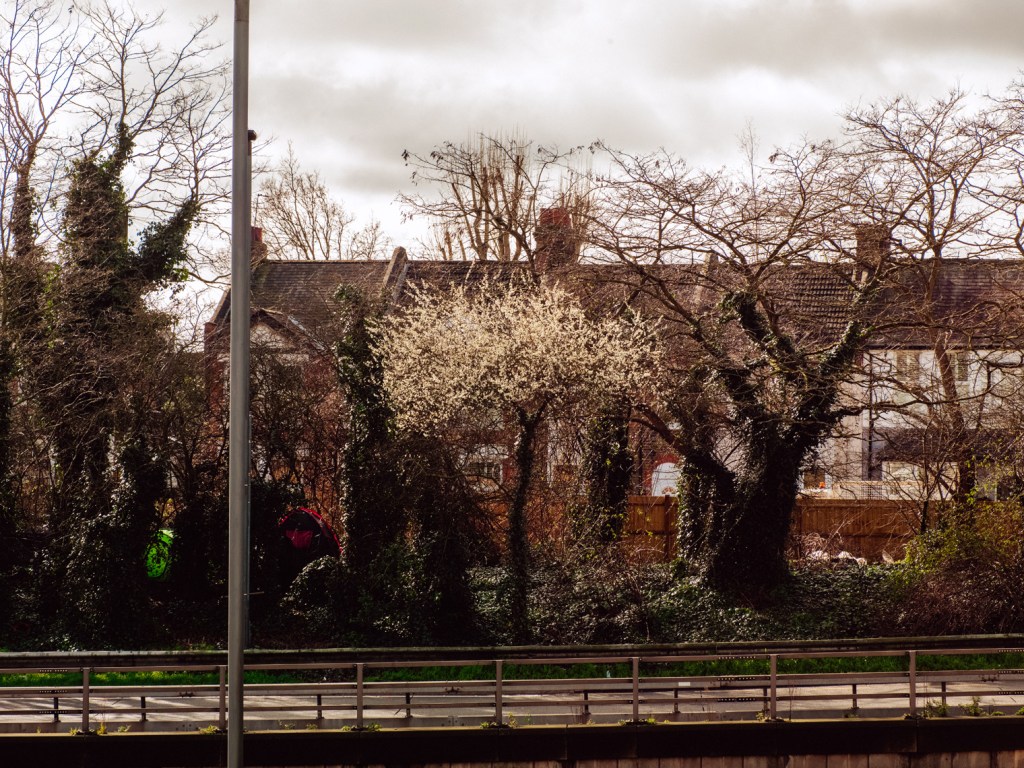
Below are the results of the shoot mentioned above that was as you can see shot during the day, it is a good example of how experimenting with the subject and ideas allows us make choices about the intent and context they are shot in.
My initial idea for this image was very much based around the the idea of migration and the other including the wider ideas around suburbia.Within my project I am exploring the traces of humans and how we live within the space’s we inhabit alongside nature and other human beings, how we interact or in this case don’t.
On a purely aesthetic and practical level a daytime shoot seemed the way to got didn’t go to plan but I did notice above the subject of the two tents there was a streetlamp so knew a nighttime shoot was possible, maybe even better.
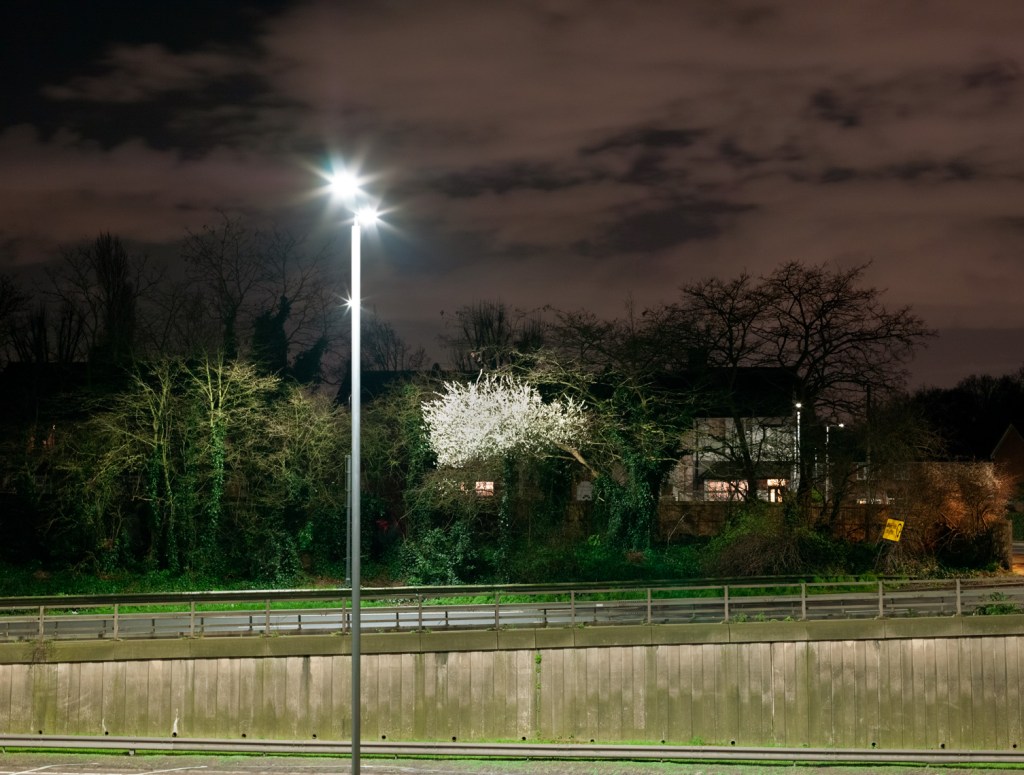
Which is what you see in the image below this first attempt.I love the way it evokes more emotion, it’s quieter and the viewer has to work a bit harder.In saying that it does speak more.
From the road in the daytime the tents of the homeless are very apparent but once you get to an available place to shoot there are only two spots where even then they are obscured and less apparent,a method having researched further more and more homeless people are using as a tactic to protect themselves.
More and more homeless are moving out from the city centre to the suburbs where they can pitch tents for more shelter and also find less apparent places to sleep and be discovered thus protecting themselves from harm and violence they face further in, they are becoming invisible, only visible by the traces they leave.Whole tent cities are becoming common place.More of which I will be talking about in my next post.
Getting back to this image shot at night it asks a lot more questions such as what is going on in the houses behind warm and cosy with the lights on oblivious to the fact that behind the fence designed to shield them from the noise of the road some people have set up home.It also means the viewer has to look harder for the tents and the main message a subject I discussed with Sarah one of my tutors,I intend for this image to be a big print so as to reveal all of the elements within. I told her about my plans to use sound as part of the end piece,I have recorded the road noise for all the images and planned to speak with the people I plan to photograph using some of there dialogue over the sounds to form an aural soundscape/cum aural history element. Having spoken to Sarah I have to agree that the lack of people and cars have really added to the mystery and intrigue of all the images so far and it is a a valid question as to whether adding portraits and the conversations will take away from that, the argument being not to answer all the questions being asked of the project.I have to say I am inclined to agree.
Dean Belcher A406 March 2020 Version 1 (unused)Dean Belcher A406 White cloud over homes March 2020
Moving forward I plan to shoot several night shots and have researched and planned them.
Despite my conversation with Sarah I may still photograph some people and speak with them about the road and what it means to them,I will at least have an option to see if it fits within the context of this project when I curate the final edit, it may be it becomes the seed of a new ongoing project that links to this much like the work of Sebastion Selgado or Naoya Hatakeyama who both work have worked on projects that whilst become singular are linked via intent or some wider message.
Once such group of people I have in mind are a local community gardening group who look after and plant on one of the large bridges that cross the A406,I’ve reached out and am waiting for a reply.May have to chivvy them along.
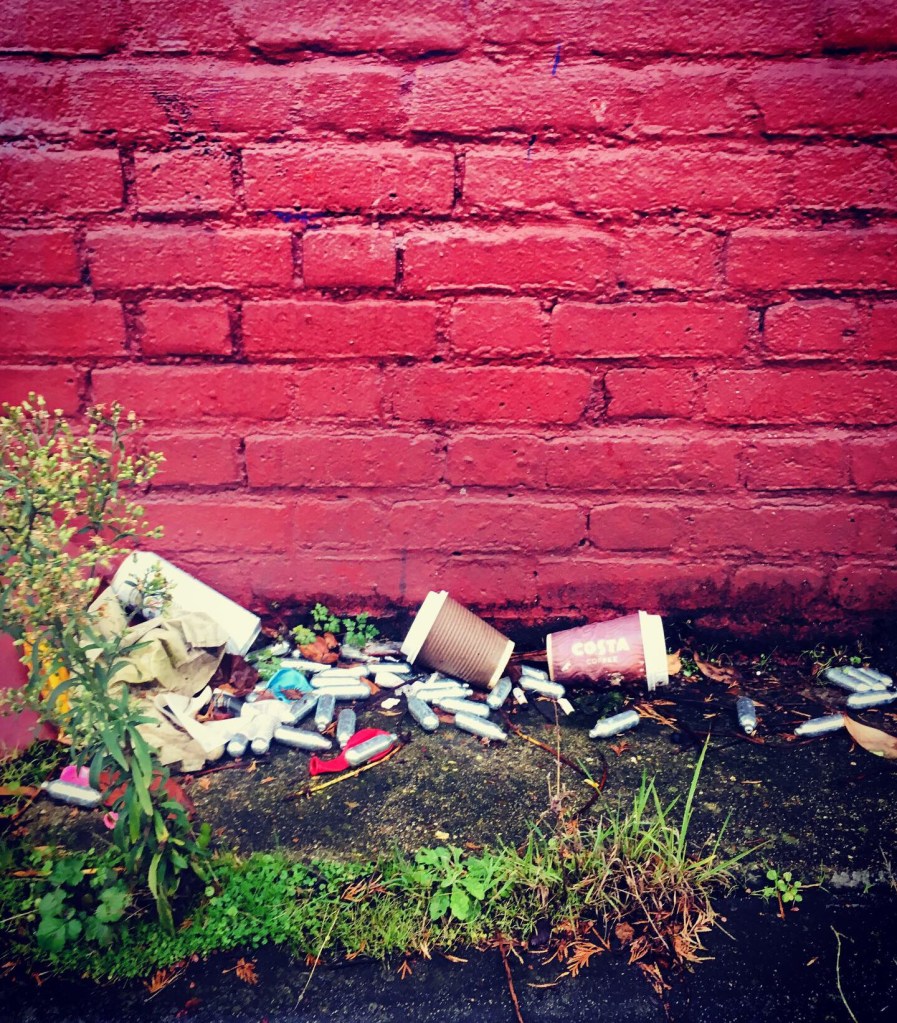
I’ve also decided to photograph some of the detritus and debris I find.A different approach and element to add to the more human portrait.A lot of what I find is a story in its self or at least an imagined/implied one that will help to inform the viewer with once again giving all the answers, they will have to do some of the work.
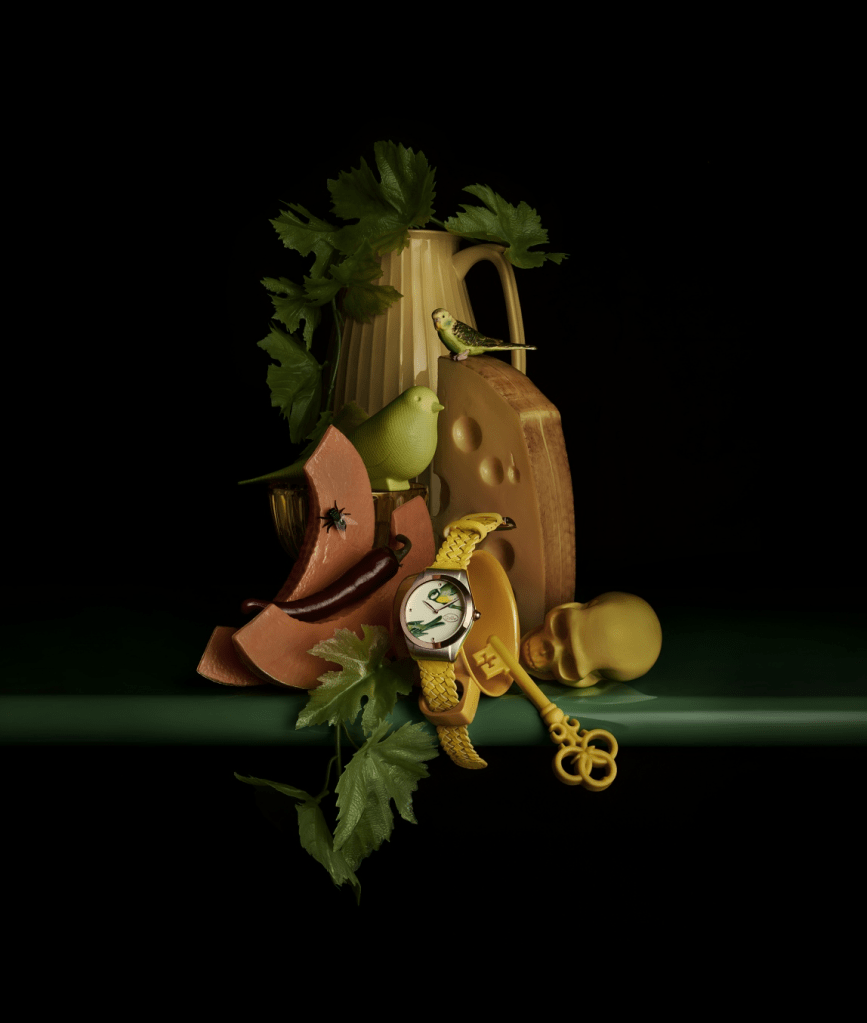
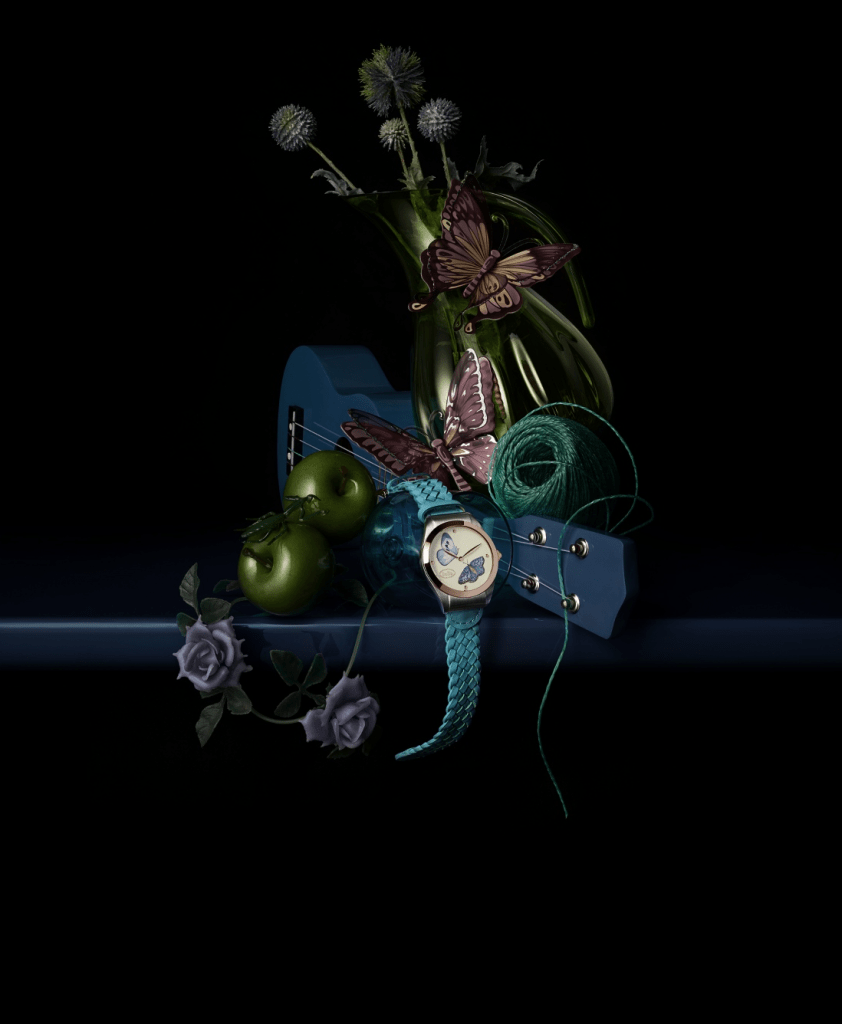
I’m not sure yet how to shoot yet it but again I will experiment.I’m thinking Dutch lighting very much in the vein of the Dutch masters still life’s which will beautify what are usually not terribly beautiful objects so adding another element of questioning to the end result,I do wonder what questions could be implied of my intent with this route the work of photographer Guido Mocafico is a good example.
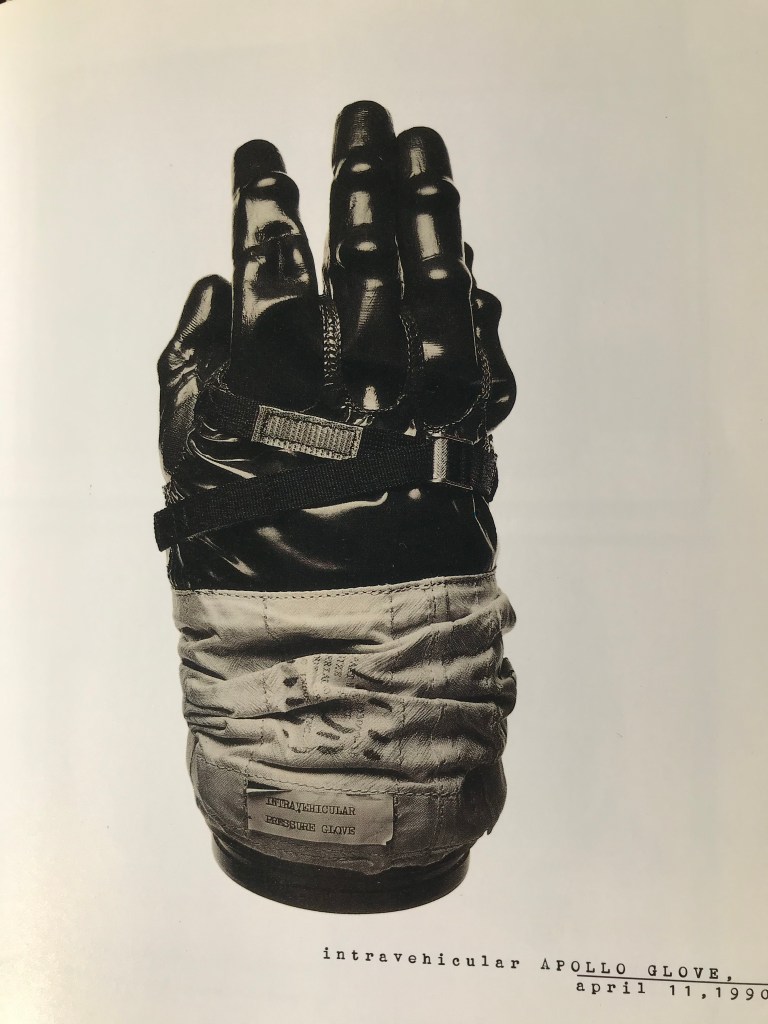
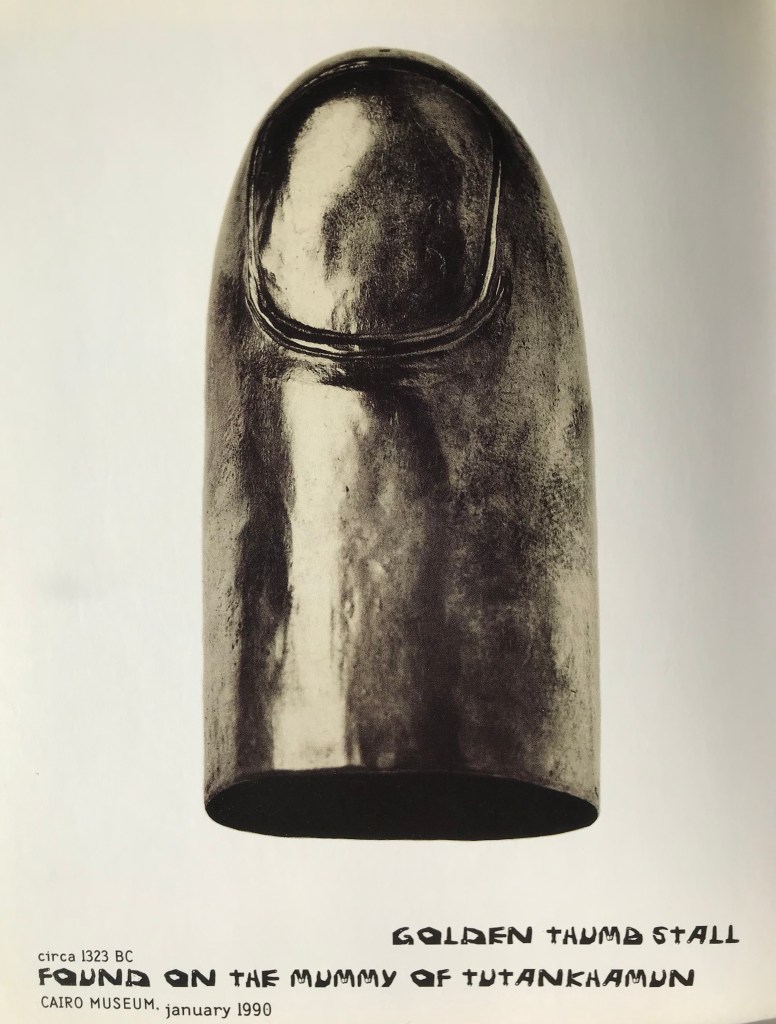
Or another possibly is a very clean perhaps ring flash on a plain white background, in the vein Albert Watson aesthetically with a very clinical almost archeological method of pure record, this method implies less of my input and thoughts perhaps leaving more to the viewer to make of it as they will.
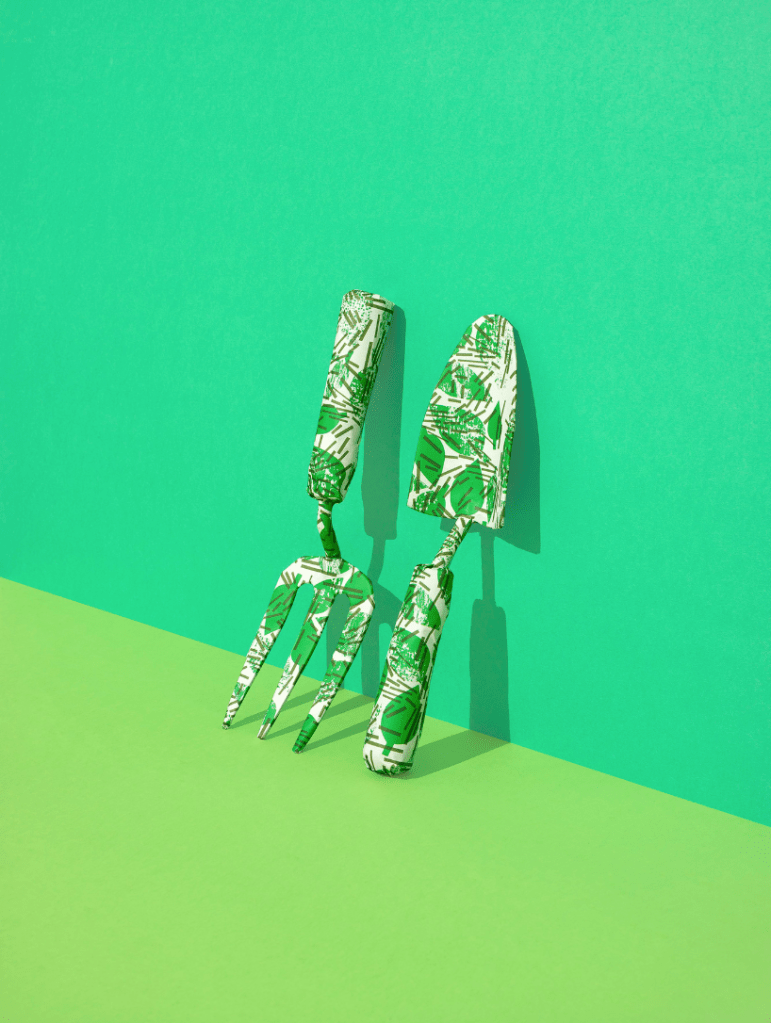
Or maybe I use a very contemporary feel much like a friend of mine photographer Stephen Lenthall this stark lighting and playful arrangements sits somewhere in between and implies a beauty in the ordinary in a very clinical aesthetic.
Idea examples from top L to R Dean Belcher, Albert Watson x 2 Middle Row Stephen Lenthall Bottom row Guido Mocafico x 2






 DEAN BELCHER CRITICAL RESEARCH JOURNAL